


Cleaning baseboards comes down to two methods: a 5-minute maintenance pass for dust and pet hair, and a proper deep clean for scuffs, grime, and the gray film that builds up along the bottom edge of every wall in the house. Most people only ever do the second one, usually right before guests arrive, which is exactly why it always feels like more work than it should.
Baseboards sit at exactly the height where dust settles, shoes scuff, and the vacuum cord bangs into them on every pass. They're also the most skipped surface in a regular cleaning routine — out of sight until the light hits them at the wrong angle. Here's how to actually get them clean, and how to keep them that way without adding another weekly chore to your list.
The short version
For light dust: run a vacuum brush attachment or a dryer sheet along the top edge — the dryer sheet's static charge grabs dust and repels new dust for days afterward. For real grime: mix warm water, a splash of dish soap, and a cup of white vinegar, then wipe top to bottom with a wrung-out microfiber cloth. For scuff marks: a damp magic eraser or a baking soda paste, worked gently with a soft-bristled brush. Clean monthly and the deep-clean step barely takes ten minutes.
In this guide
Why Baseboards Get Dirty Faster Than Everything Else
Dust doesn't fall evenly around a room — it settles low, along drafts, and collects wherever air movement slows down near a surface. The strip where the wall meets the floor checks every one of those boxes, which is why baseboards accumulate a visible layer of dust in about a third of the time a shelf at eye level does.
Add foot traffic, shoe scuffs, vacuum cleaner bumps, and pet hair static-clinging to painted trim, and baseboards end up as one of the most heavily used surfaces in the house that almost nobody actually schedules a cleaning routine around.
The upside: because the buildup is mostly surface dust and light grime, baseboards clean up fast once you have the right method for the level of dirt you're actually dealing with.
The 5-Minute Maintenance Method

For dust and pet hair with no real grime, skip the bucket entirely. Two options, both under five minutes for an average room:
- Vacuum brush attachment — run it slowly along the top edge and into the crevice where the baseboard meets the floor. This is the fastest way to pull up dust without pushing it into the air.
- Dryer sheet trick — wipe a used dryer sheet along the baseboard like a cloth. The static charge grabs dust like a magnet, and the thin film it leaves behind repels new dust for several days afterward.
Either method, done every couple of weeks, is usually enough to stop dust from ever building into the kind of grime that needs scrubbing. It's the cleaning equivalent of flossing — unglamorous, easy to skip, and the entire reason the deep clean stays short.
The Deep-Clean Method, Step by Step

-
Vacuum or dust first.
Wiping a dusty baseboard with a wet cloth just turns dust into paste. Clear the loose stuff before you introduce any liquid. -
Mix the solution.
Warm water, a few drops of dish soap, and about a cup of white vinegar per bucket. Enough to cut grease and soap film without being harsh on painted trim. -
Dip and wring out a microfiber cloth.
Wring it until it's damp, not dripping. Too much water pools at the bottom edge and can seep under the baseboard. -
Wipe top to bottom, in sections.
Working top to bottom means loosened grime drops onto a part you're about to clean anyway, not one you've already finished. -
Dry with a second cloth.
A quick dry pass prevents water spots and stops moisture from sitting against painted wood.
A full room usually takes 10–15 minutes once it's actually dirty enough to need this step. (Which, statistically, was several months ago. No judgment — baseboards are very good at hiding in plain sight.)
Between deep cleans
A quick spritz of Gentle Sen HOCl spray and a wipe-down keeps baseboards feeling fresh between full cleans, without soap film or fumes to rinse off afterward. Non-toxic and fragrance-free, so it's safe to use around kids and pets crawling along the floor. Dissolve one tablet in 20 fl. oz. of water and you have a fresh batch on demand.
Removing Scuff Marks and Stubborn Stains
Shoe scuffs and stubborn marks usually don't respond to the vinegar solution alone — they need a bit of mechanical scrubbing to lift.
Magic eraser: dampen it, squeeze out the excess water, and rub gently over the scuff. These are a mild abrasive, which is exactly why they work on scuffs — avoid pressing hard on glossy or semi-gloss paint, since heavy pressure can dull the sheen over time.
Baking soda paste: mix baking soda with a small amount of water into a thick paste, apply to the mark, and scrub gently with a soft-bristled brush or old toothbrush. Rinse and dry. Good for stains the magic eraser doesn't fully lift.
For corners and the tight seam where baseboard meets floor, a soft-bristled toothbrush dipped in the vinegar solution reaches farther than a cloth ever will. It's slow going, but it's the only method that actually gets into the gap.
Tools That Make It Faster
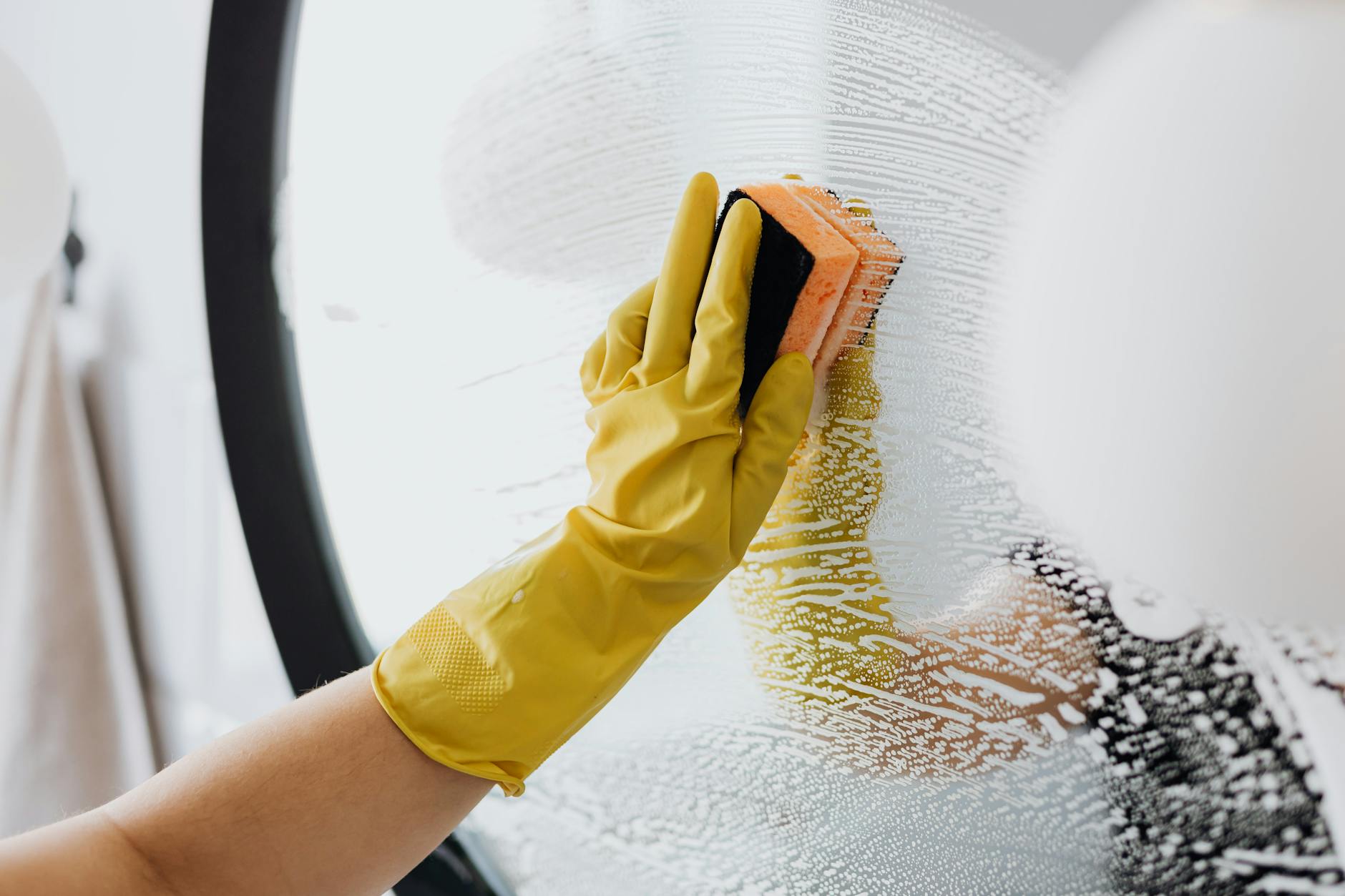
A few tools genuinely cut the time down, especially if baseboards run through an entire house rather than one room:
- Long-handled baseboard duster or Swiffer-style tool — saves the bending-and-kneeling routine, which is usually the actual reason baseboards get skipped.
- Steam cleaner — for genuinely stuck-on grime, steam loosens buildup without scrubbing. Work in small sections and wipe immediately so moisture doesn't sit.
- Crevice vacuum attachment with a dryer sheet secured over the end — combines the vacuum's suction with the dryer sheet's static pickup in one pass.
None of these are required. A cloth, a bucket, and a toothbrush get the job done. They just save your knees.
How to Keep Baseboards Clean Longer
The deep clean is the easy part. Staying ahead of it is what actually saves time over a year.
- Wipe with a dryer sheet after every deep clean — the residual static charge keeps new dust from settling as quickly.
- Vacuum baseboards whenever you vacuum the floor — it adds under a minute per room and stops dust from building into grime in the first place.
- Deal with scuffs immediately — a fresh scuff wipes off in seconds. A scuff that's had six months to set into the paint needs the full magic-eraser treatment.
- Aim for monthly light maintenance — with that habit in place, a full deep clean is only needed two or three times a year instead of being an emergency every time company's coming over.
Frequently Asked Questions
How often should you clean baseboards?
A light dusting or vacuum pass every two weeks, with a full deep clean two to four times a year, keeps most homes' baseboards looking consistently clean. Homes with pets, or households in dusty or high-traffic areas, may need the deep clean closer to monthly.
What's the fastest way to clean baseboards?
A vacuum brush attachment for dust, followed by a dryer sheet wipe-down. Both together take under five minutes for an average room and handle everything short of actual grime or scuff marks.
Do dryer sheets really work on baseboards?
Yes. The static charge on a used dryer sheet picks up dust the way a duster does, and the thin residue it leaves behind repels new dust for several days. It's one of the more effective low-effort tricks for baseboard maintenance between deep cleans.
How do you clean scuffed white baseboards?
A damp magic eraser lifts most shoe scuffs with light pressure. For marks that don't fully lift, a baking soda paste scrubbed gently with a soft-bristled brush usually finishes the job. Avoid heavy pressure on glossy paint, which can dull the sheen over time.
Is vinegar safe on all baseboards?
Diluted white vinegar is safe on painted wood and most standard baseboard finishes. Avoid using it undiluted or letting it sit for long periods on any finish you're unsure about, and always wring your cloth out well so water doesn't pool at the base.
How do you clean baseboards before painting?
Wash with the warm water, dish soap, and vinegar solution to remove dust, grease, and residue, then let them dry fully before priming. Any leftover dust or oily film under fresh paint will show up as poor adhesion or an uneven finish later.
Should you vacuum baseboards or wipe them?
Both, in that order. Vacuuming or dusting first removes loose dirt so a wet cloth doesn't just smear dust into paste. Wiping afterward handles the grime and marks that dry dusting can't touch.
The short habit that saves the long chore
Baseboards don't need much — a vacuum pass every couple of weeks, a proper wipe-down a few times a year, and scuffs handled while they're still fresh. Skip all three for long enough and it turns into an hour-long project instead of a ten-minute one.
For quick freshening between full cleans, a Gentle Sen HOCl spray wipe-down leaves no soapy residue behind — just a clean surface, dried and done.
See How Gentle Sen WorksSources
- Clorox. How to Clean Baseboards.
- Clean Mama. How to Clean White Baseboards.
Images from Pexels photo library under the Pexels License. This post is for informational purposes only and does not constitute professional advice. Gentle Sen products are multi-purpose household cleaners. Always follow product instructions and test cleaning methods on a small, hidden area before treating an entire surface.
0 comments