


The word "stainless" in stainless steel is doing a lot of heavy lifting. The metal resists rust and corrosion well — but fingerprints, water spots, and cooking grease have no such agreement. A properly cleaned stainless steel surface looks completely different from one that was wiped with the wrong cloth in the wrong direction. The difference is mostly technique, not product.
Here's how to clean stainless steel correctly, what to reach for when the easy method isn't enough, and which common household products you should keep well away from it.
The short version
Dish soap + warm water + a microfiber cloth, wiped with the grain, handles most stainless steel cleaning. For water spots: diluted white vinegar. For baked-on residue: a baking soda paste. Avoid bleach, steel wool, and coarse abrasive pads — they damage the protective layer that makes stainless steel stainless.
In this guide
Why stainless steel needs the right technique
Stainless steel has a grain — a directional pattern of fine lines in the surface finish. Wiping against it pushes grease and residue into those micro-grooves instead of lifting them out. Wiping with the grain cleans the surface and leaves it looking polished. Same cloth, same effort, completely different result.
There's also an invisible layer of chromium oxide on the surface. That's what makes stainless steel resistant to rust and corrosion. Abrasive scrubbers, bleach, and certain cleaners damage that layer. Once it's compromised, the surface corrodes faster — the opposite of the original design.
To find the grain direction: look at the surface in good light and you'll see fine parallel lines running one way — horizontal on most refrigerators, vertical on many sinks and range hoods. That direction guides every wipe.
The daily cleaning routine that actually works
Most stainless steel surfaces don't need anything more than this:
-
Wet a microfiber cloth with warm water. Add one small drop of dish soap.
-
Wipe with the grain — follow the direction of those fine lines, not across them.
-
Rinse the cloth, wring it out, and wipe once more to lift any soap film.
-
Dry immediately with a clean, dry cloth. Don't leave the surface wet.
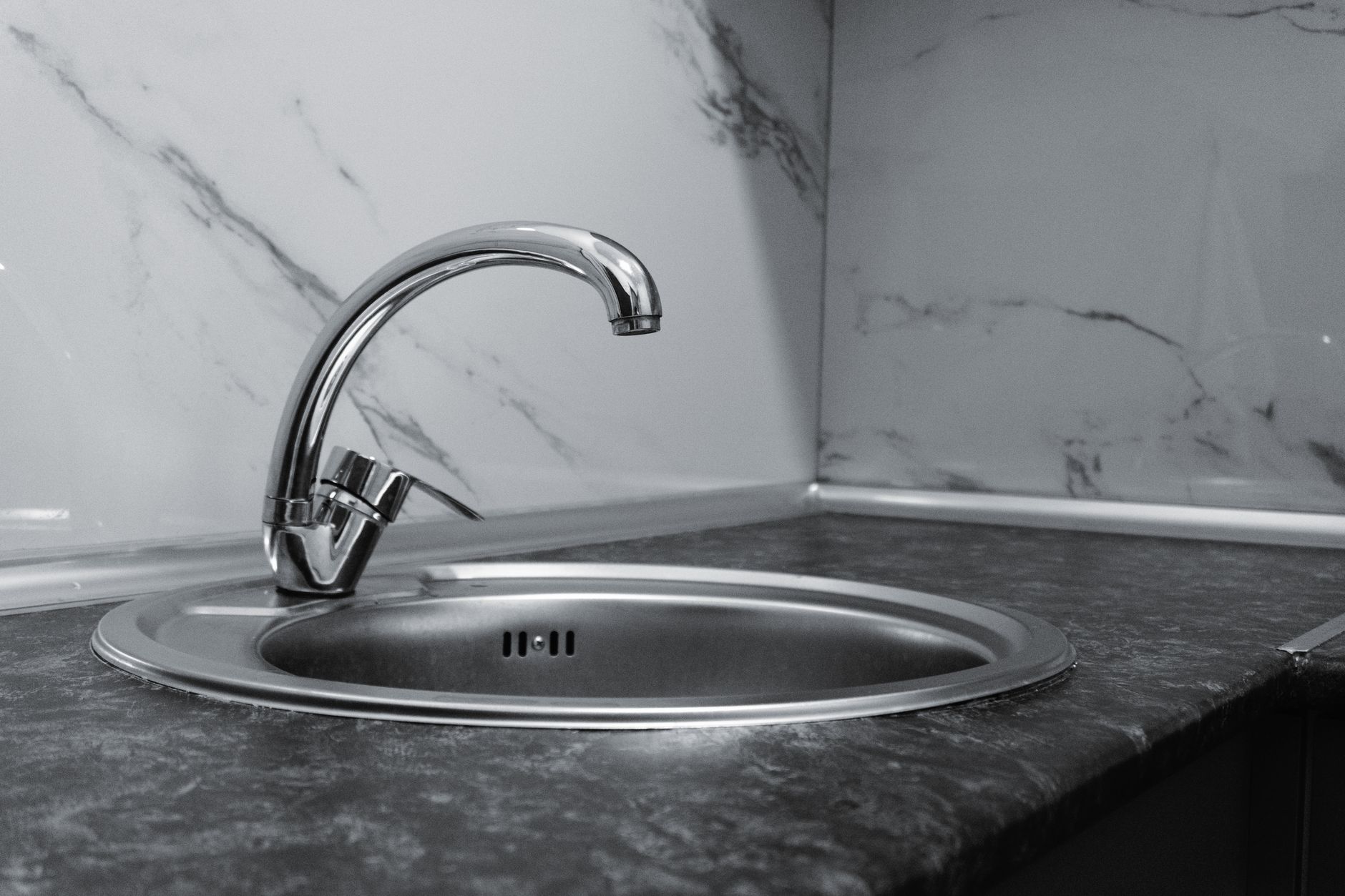
The drying step is the one most people skip. Stainless steel left wet develops water spots within minutes — so the cleaning job was only half finished. Running a dry microfiber cloth across the surface takes ten seconds.
For refrigerator doors and handles that get touched constantly: wipe every other day. Let fingerprints accumulate for a week and what was a one-minute job turns into a five-minute one.
Removing stubborn stains, water spots, and fingerprints
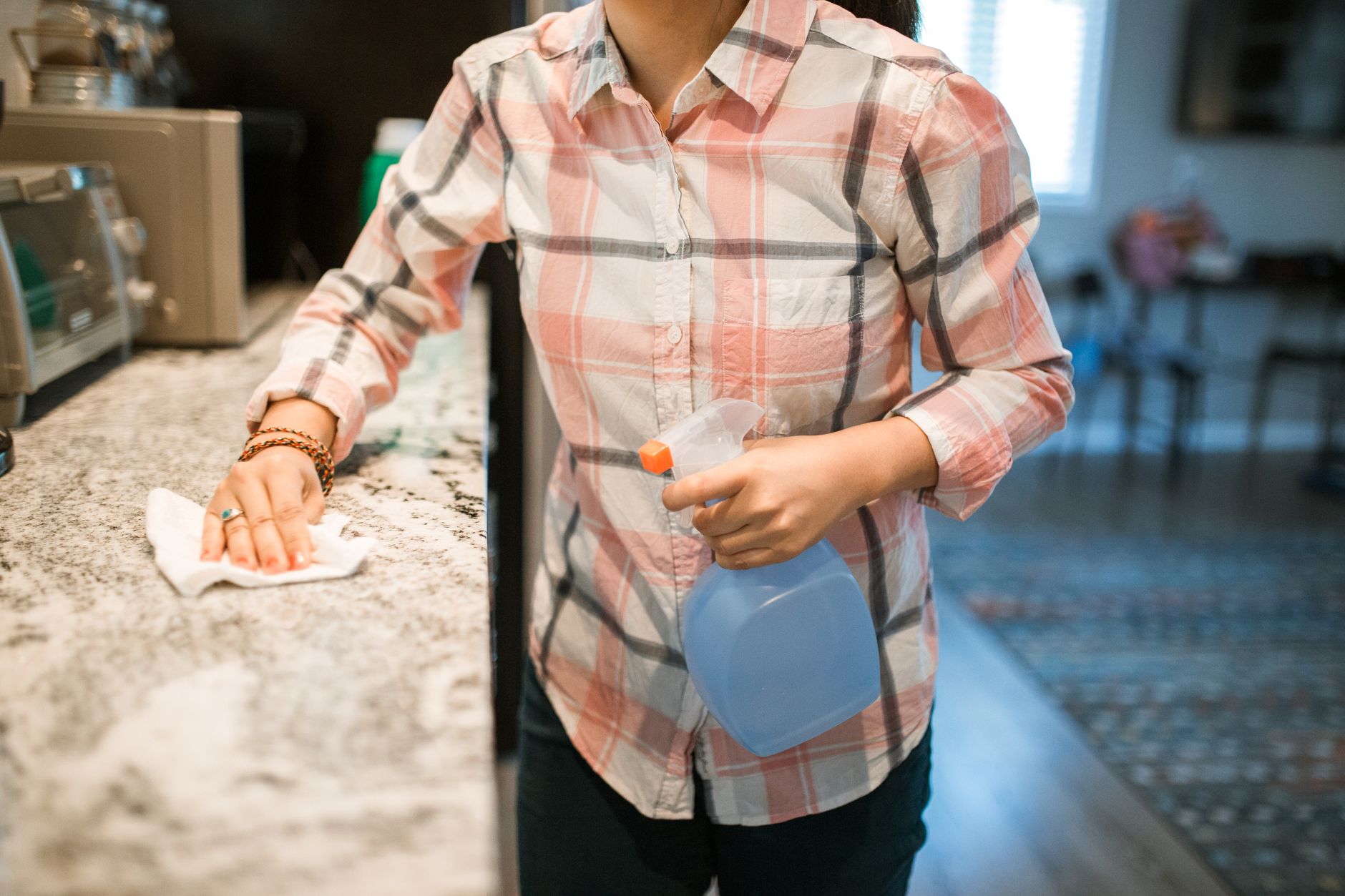
Water spots and mineral deposits:
Mix equal parts white vinegar and water in a spray bottle. Spray onto a microfiber cloth — not directly onto the surface, where it runs — then wipe with the grain. Dry immediately. The acidity cuts through mineral buildup without any abrasion. Don't let it sit more than a minute before wiping clean.
Baked-on grease:
Mix baking soda with water into a thick paste. Apply with a soft cloth, rub gently with the grain, then rinse and dry thoroughly. Baking soda is the Swiss Army knife of kitchen cleaning — mildly abrasive enough to work, gentle enough not to scratch when you're using cloth rather than a scouring pad. (Combine it with a scouring pad and that calculus changes entirely.)
Fingerprints:
Fingerprints are oil-based. Dish soap on a damp microfiber cloth cuts through them. A light wipe of mineral oil on a dry cloth after cleaning helps repel new prints for a few days — particularly useful on refrigerator handles that get touched repeatedly through the day.
What to never use on stainless steel
Keep these away from stainless steel:
- Bleach and chlorine-based cleaners — chlorine attacks the chromium oxide layer and causes long-term pitting and rust
- Steel wool and abrasive scrubbing pads — create deep scratches that trap moisture and residue
- Coarse abrasive powders — a baking soda paste is fine; heavy-grit scrubs are not
- Oven cleaners — caustic formulas designed for coated pans, not bare metal
- Paper towels — not catastrophic, but they leave lint and can scratch finer finishes over time; microfiber is a better default
Most general-purpose spray cleaners are safe on stainless steel. Check the label for chlorine compounds before using anything near food-preparation surfaces.
Non-toxic stainless steel cleaner options
For households that would prefer not to store harsh chemicals in a kitchen cabinet — or where someone small might find said cabinet — there are genuinely effective non-toxic options. No trade-off in results.
White vinegar + water (50/50): The most useful natural cleaner in the kitchen. Handles water spots, mineral deposits, and general grime. The smell dissipates in about ten minutes. Inexpensive and safe around food.
Baking soda paste: For anything with built-up texture or residue. No chemical concerns, no lingering smell. Works on stainless and most other kitchen surfaces.
pH-balanced HOCl spray: Hypochlorous acid (HOCl) is a non-toxic, fragrance-free surface cleaner — the same compound your immune system produces naturally. At household concentrations, it's safe around food, children, and pets, and leaves no chemical residue on surfaces. Worth knowing about if you want a daily spray option that handles more than vinegar comfortably covers.
Gentle Sen HOCl tablets — fresh cleaner on demand
Gentle Sen tablets dissolve in water to make a pH-balanced, fragrance-free HOCl spray for kitchen surfaces including stainless steel. One tablet makes about 20 fl. oz. for roughly $0.50 — no harsh chemicals, no synthetic fragrance, no single-use spray bottle going stale in the back of a cabinet. Shelf life before dissolving: two years. You can read more about how HOCl works as a household cleaner in our full guide.
See how Gentle Sen HOCl tablets work →
When not to use any spray on stainless steel: Some newer appliances have specialty anti-fingerprint or sealed coatings. Those coatings can be more delicate than the steel underneath — check the manufacturer's care instructions before using any liquid cleaner, including vinegar or HOCl, on those surfaces.
How often to clean stainless steel
High-touch surfaces — refrigerator handles, faucets, range knobs — benefit from a quick damp-cloth wipe every day or two. Under a minute, keeps fingerprints from compounding.
Appliance exteriors: once a week with the full soap-and-water routine.
Deep cleaning and mineral stain removal: monthly, or when it clearly needs it.
That's the complete maintenance schedule. If you want to extend the same approach to the rest of the kitchen, our guide to non-toxic cleaning products covers what to look for across the whole house.
Straight answers (FAQ)
Can you use vinegar to clean stainless steel?
Yes — diluted white vinegar (equal parts vinegar and water) is one of the most effective natural options for water spots and mineral deposits on stainless steel. Apply to a microfiber cloth, wipe with the grain, and dry immediately. Don't leave it sitting on the surface for more than a minute or two.
How do you get fingerprints off stainless steel?
A drop of dish soap on a damp microfiber cloth, wiped with the grain, removes most fingerprints. After cleaning, a light wipe with a few drops of mineral oil on a dry cloth helps repel new prints for a few days — particularly useful on refrigerator doors and handles.
Why does stainless steel look streaky after cleaning?
Usually one of three things: wiping against the grain instead of with it, using a paper towel that leaves lint, or leaving the surface wet to air-dry. Dry with a clean microfiber cloth immediately after every cleaning pass and wipe consistently in the grain direction.
What's the best homemade stainless steel cleaner?
For daily cleaning: a drop of dish soap in warm water on a microfiber cloth. For water spots: equal parts white vinegar and water. For baked-on residue: a paste of baking soda and water, applied with a soft cloth and rubbed gently with the grain.
Can you use baking soda on stainless steel?
Yes — mixed with water into a paste and applied with a soft cloth. Baking soda is mildly abrasive enough to lift residue without scratching when you use a cloth. Avoid combining it with a scouring pad, which would be too abrasive for the surface.
What should you never use to clean stainless steel?
Bleach and chlorine-based cleaners damage the chromium oxide layer that prevents rust. Steel wool, coarse abrasive pads, and oven cleaners cause physical damage to the surface. All of these compromise stainless steel over time, leading to pitting, scratching, and corrosion.
How do you remove hard water stains from stainless steel?
A solution of equal parts white vinegar and water, applied to a cloth and wiped with the grain, handles most hard water stains. For heavy mineral buildup, lay the damp cloth on the stain for one to two minutes before wiping clean. Dry the surface immediately after.
Is HOCl safe to use on stainless steel surfaces?
Yes. A pH-balanced hypochlorous acid solution is non-toxic, leaves no chemical residue, and is safe for food-contact surfaces. It's a good option for daily spray-and-wipe cleaning on stainless steel, countertops, and other kitchen surfaces — particularly for households wanting to avoid harsh chemicals near food prep areas.
Technique first, products second
Most stainless steel cleaning problems trace back to two things: wiping in the wrong direction, and leaving the surface wet. Get those right and dish soap handles the rest 90% of the time.
For families who'd rather keep harsh chemicals out of the kitchen, a pH-balanced HOCl spray covers daily wiping without residue, fragrance, or any of the label-reading anxiety. Your refrigerator will look better. Your cabinet will have fewer bottles in it. That's a reasonable trade.
Try Gentle Sen HOCl tablets →Sources
- American Iron and Steel Institute — Stainless Steel Overview
- NIH PubMed — Hypochlorous Acid Safety Research
- EPA Safer Choice Program — Evaluating Cleaning Ingredients
This article is for informational purposes only and does not constitute medical advice. Gentle Sen HOCl tablets are a multi-purpose cleaner. Always follow manufacturer care instructions for your specific appliances and surfaces.
0 comments