

"Non-toxic laundry detergent" sounds like a regulated category. It is not. There is no federal standard a brand must meet before it can put those words on a label. Some detergents carrying the claim are essentially identical to conventional options — the main difference is the font on the bottle and a photograph of a fern.
That doesn't make the category meaningless. There are real differences between a fragrance-loaded, optical-brightener-heavy conventional detergent and one that has been independently certified for safety. Those differences matter — and they matter more if you are washing for someone with eczema, sensitive skin, or Topical Steroid Withdrawal, because the residue left in fabric after washing sits against compromised skin around the clock.
The "fresh linen" scent in most conventional detergents, incidentally, has never smelled like actual fresh linen. Real linen smells like cloth. The synthetic fragrance blend engineered to suggest freshness is a compound mixture that, on closer inspection, contains substances you probably would not choose to have sitting in your pillowcase. We will cover the full list below.
Here is what non-toxic laundry detergent actually means, which ingredients are worth cutting from your current formula, and how to evaluate a replacement without falling for a label that is more leaf than logic.
The short version
A genuinely non-toxic laundry detergent is free of synthetic fragrance, optical brighteners, phosphates, 1,4-dioxane (a manufacturing byproduct of certain surfactants), and artificial dyes. The most reliable way to confirm this is a third-party certification — EPA Safer Choice or EWG Verified are the two most rigorous. Most "plastic-free" laundry sheets and pods still contain polyvinyl alcohol (PVA), a plastic that dissolves in water but does not biodegrade in wastewater treatment at significant rates. For sensitive or eczema-affected skin, fragrance-free is the minimum requirement; certified is the stronger standard.
In this guide
What "non-toxic" actually means on a laundry label
In the cleaning aisle, "non-toxic" is a marketing claim, not a regulated standard. Unlike "USDA Organic" for food or a sunscreen's SPF rating — both of which require meeting specific federal criteria before appearing on packaging — there is no government body that verifies a cleaning product before a company can label it non-toxic. A brand can use the phrase while the formula still contains synthetic fragrance blends, optical brighteners, and surfactants that generate carcinogenic byproducts during manufacturing, provided the concentrations stay below whatever the company considers acceptable.
"Plant-based" and "natural" carry the same limitation. A surfactant derived from coconut oil can still generate 1,4-dioxane — a likely human carcinogen according to the EPA — during the ethoxylation step of manufacturing. The source of the ingredient does not automatically determine its safety profile.
Three things actually matter when you are trying to evaluate a claim:
Full ingredient disclosure. Can you read every ingredient in the formula, including what is inside any listed "fragrance"? If a brand discloses everything — including preservatives, fragrance components, and any enzyme systems — that transparency is meaningful. If the label just says "fragrance" with nothing further, that is a gap worth noting.
Third-party certification. Programs like EPA Safer Choice and EWG Verified require full ingredient disclosure to the certifying body and independently evaluate each ingredient's safety profile. A product cannot earn those labels without passing a real review. That matters because the brand is no longer grading its own homework.
Knowing which certifications mean what. The four worth knowing are EPA Safer Choice (most comprehensive for cleaning products, evaluates human and environmental safety at the ingredient level), EWG Verified (stricter on fragrance disclosure), Made Safe (screens against 6,500+ known hazardous chemicals), and USDA Certified Biobased (indicates plant-derived ingredients but is not a safety certification on its own). Any one of these on the label tells you more than "non-toxic" or "natural" without a certification.
If none of those certifications are present, you are evaluating the ingredient list yourself — which is possible, but requires knowing what to look for.
Six ingredients worth cutting from your detergent
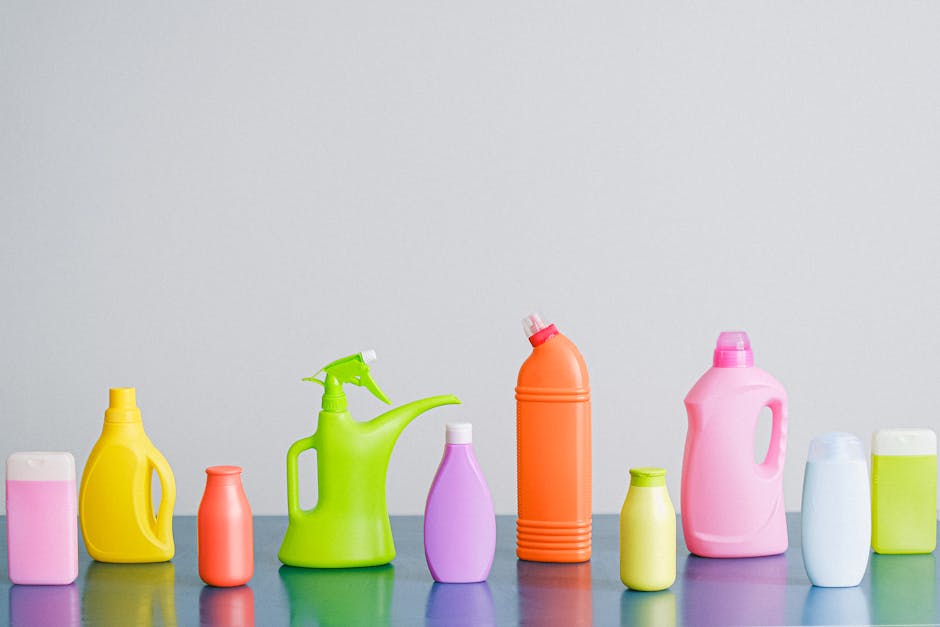
These are the compounds we check first when evaluating any laundry detergent, conventional or "green." They cover the ingredients most likely to cause issues and the ones most commonly hidden behind vague label language.
1. Synthetic fragrance ("fragrance" or "parfum" on the label)
The most common offender, and the most effectively concealed. "Fragrance" is a legal catch-all that can cover any number of individual compounds — including phthalates, which are plasticizers with documented endocrine-disrupting properties. A company is not required to list what is inside their fragrance blend; they only have to acknowledge that the blend exists. "Fragrance" on a cleaning product label has roughly the same disclosure requirements as a sealed envelope.
For sensitive or eczema-affected skin, synthetic fragrance is the primary trigger in laundry-related reactions. Fragrance compounds bind to fabric fibers and are released slowly with body heat during wear. If you are switching to a non-toxic detergent because of skin issues, "fragrance-free" is the minimum bar — not "unscented," which can still contain masking fragrances that neutralize smell without eliminating the underlying compounds.
2. Optical brighteners
UV-reactive chemicals that make white fabric look brighter by absorbing ultraviolet light and re-emitting it as visible blue light. The effect is cosmetic, not functional — they do not clean fabric any more effectively. The problem is persistence: optical brighteners stay in fabric after washing, and several of the compounds commonly used (tinopal CBS, stilbene derivatives) are documented skin sensitizers and aquatic toxins. You wear what is left in the fabric. The brightener that makes your whites look whiter is in contact with your skin for as long as you are wearing the garment.
3. Phosphates
Effective at softening water to improve cleaning performance, but banned or restricted in many US states because they accelerate algal bloom growth in waterways — consuming oxygen and killing aquatic life. Most major brands have reformulated away from phosphates; they still appear in some discount-store detergents. Not the primary skin concern, but their presence in a formula is a useful signal that the product has not been updated in a while.
4. 1,4-dioxane
Not added deliberately — it forms as a manufacturing byproduct during the ethoxylation of certain surfactants, including sodium laureth sulfate (SLES) and PEG compounds. The EPA classifies it as a likely human carcinogen. It can be present in products marketed as "plant-based" if the underlying surfactant was processed conventionally and not tested for it. Third-party certification programs explicitly screen for 1,4-dioxane — which is one of the concrete reasons those certifications matter beyond their marketing value.
5. Preservatives: methylisothiazolinone (MI) and methylchloroisothiazolinone (MCI)
Used in liquid detergents to prevent microbial growth in the bottle during storage. Both are potent contact allergens — among the most commonly identified triggers in contact dermatitis cases. MI is increasingly restricted or banned in leave-on cosmetic products in Europe. It is still permitted in rinse-off products, including laundry detergents, in the US. If you are switching detergents because of skin reactions and your current formula is a liquid, checking for MI and MCI in the ingredient list is worth doing before you buy the replacement.
6. Artificial dyes
No cleaning function whatsoever. Dyes are added to make the product look more appealing in the bottle. Several synthetic dyes used in household cleaning products are documented sensitizers. Cutting them means accepting that your detergent looks less like a sports drink and more like something made primarily to do laundry — which, in our view, is fine.
Why it matters more for sensitive skin and TSW

Your skin does not fully rinse free of laundry detergent residue. Fabric fibers trap small amounts of what was in the wash water, and those small amounts stay there through drying and wearing. For most people with intact skin barriers, the residue from a conventional detergent is not a daily problem. The amounts are small, and healthy skin has enough barrier function to limit absorption.
For people with eczema, Topical Steroid Withdrawal (TSW), rosacea, or any condition that compromises the skin barrier, the calculation is different. Damaged skin is more permeable. Residue that sits against that skin for 16 hours of wear — and another 8 hours of sleep in sheets washed in the same detergent — has more direct access than it does against intact skin. The compounds most likely to cause issues in those conditions (fragrance, optical brighteners, preservatives) are exactly the ones that bind most effectively to fabric fibers.
Babies and young children are in a similar position for different reasons. Immature skin barriers, a higher ratio of skin surface area to body mass, and constant fabric contact through clothing, bedding, and blankets mean that what you wash those items in is not a neutral choice.
This is personal for us. GentleSen was founded in 2024 after our son went through Topical Steroid Withdrawal and severe eczema. We reviewed everything that touched his skin — not just the skincare products, but his clothing, bedding, the towels he dried with, and what all of those were washed in. (We also considered the couch, the air, and at one point the carpet, but that is where even we had to draw a line.) The laundry switch was among the first changes we made — not because we had a controlled trial proving it was the cause of his symptoms, but because we needed to remove every variable we could. Fragrance-loaded fabric against compromised skin felt like the wrong bet.
The National Eczema Association publishes a Seal of Acceptance list that covers laundry detergents — products that have met their criteria for use by people with eczema and sensitive skin. It is a useful starting point alongside the certifications described in this guide.
Related: How does Topical Steroid Withdrawal happen? A guide for parents and patients
Powder, liquid, sheets, or pods — what the format tells you
The format of your laundry detergent is not just a convenience choice. It carries real implications for which ingredients are in the formula and which environmental trade-offs you are making.
Powder
The most straightforward option for non-toxic shoppers. Powder formulas have low water activity — meaning there is not enough moisture in the product to support microbial growth. This eliminates the need for the preservatives (MI, MCI) that cause the most skin reactions in liquid formulas. No preservatives in the formula because there is no environment for anything to grow in. Your laundry detergent is not a terrarium.
Powder also avoids the PVA problem (see below under sheets and pods). Per-load cost is usually lower than liquid or pod formats. The practical question for cold-water washing: modern powder formulas are designed to dissolve fine in cold water. Older recipes built around baking soda and washing soda can clump if poured directly into a cold drum — add them to the detergent drawer or dissolve in a cup of warm water first. Check the product instructions.
Liquid
Convenient for cold-water washing and pre-treating stains. The tradeoff: liquids require preservatives to prevent microbial growth in the bottle during storage. The key ones to check for are methylisothiazolinone (MI) and methylchloroisothiazolinone (MCI) — the primary sensitizers. Sodium benzoate appears in some formulas as a gentler alternative.
Also check the surfactant base. Cocamidopropyl betaine tends to be gentler and lower-sensitization than high-concentration sodium lauryl sulfate. Plant-derived sodium laureth sulfate carries the 1,4-dioxane risk unless the brand has tested for it and disclosed the absence — which certified brands will have done.
Sheets and strips
Marketed as zero-plastic, zero-waste alternatives to conventional liquid or powder. Most contain polyvinyl alcohol (PVA) as the film that holds the concentrated formula in strip form. PVA dissolves when added to water — which is the point — but "dissolves" and "biodegrades" are not the same thing. Research published in environmental science journals has found PVA accumulating in wastewater treatment sludge and passing through treatment plants into agricultural soil and waterways at measurable concentrations, rather than breaking down.
Laundry sheets are the cleaning industry's version of "biodegradable plastic bags." They dissolve on contact with water. So does a lot of plastic when given enough time and the right conditions. That is not the same as harmlessly breaking down into non-plastic components.
PVA-free sheet formulas do exist. If you prefer the sheet format, ask the brand directly before buying — the ingredient list may not make this clear.
Pods and tablets
Same PVA concern as sheets, plus a fixed-dose limitation: you get one concentration regardless of load size. Some brands offer PVA-free pod casings — worth checking if you prefer the convenience of pre-dosed detergent.
One clarification worth making: laundry pods are different from HOCl tablets. A laundry pod goes in the machine and releases soap into the wash cycle. An HOCl tablet dissolves in water to make a non-toxic cleaning or pre-treatment spray. Both come in tablet form; they do very different things.
What to look for when shopping

EPA Safer Choice
The most comprehensive certification program for cleaning products sold in the US. The EPA Safer Choice program evaluates every ingredient in a product for human health and environmental impact — including acute and chronic toxicity, carcinogenicity, reproductive toxicity, and aquatic safety. Full ingredient disclosure to the program is required. The program explicitly tests for 1,4-dioxane. A product cannot carry the Safer Choice label without its entire formula passing the review. The EPA maintains a searchable database of certified products by category, which makes it possible to verify any claim before buying.
EWG Verified
The Environmental Working Group's certification requires full disclosure of all ingredients, including fragrance components, and rates each against EWG's hazard database. It is stricter on fragrance transparency than most other programs — brands cannot hide behind a blanket "fragrance" listing and still earn the mark. The EWG Guide to Healthy Cleaning covers thousands of household cleaning products, with ratings for each.
Made Safe
Screens products against a list of over 6,500 known and suspected hazardous chemicals, including carcinogens, reproductive toxins, endocrine disruptors, and neurotoxins. A demanding standard that goes beyond the ingredient categories most brands voluntarily disclose. Products carrying Made Safe certification have passed a stringent screening that covers categories not always addressed by other programs.
USDA Certified Biobased
Tells you what percentage of a product's content is biobased — derived from plant or mineral sources. Useful context for understanding a formula's origin, but not a safety certification on its own. A 95% biobased detergent can still contain problematic compounds in its remaining 5%, or generate byproducts during the processing of its biobased ingredients (as with the 1,4-dioxane risk in plant-derived SLES). USDA Biobased and EPA Safer Choice are complementary, not interchangeable.
When there is no certification on the label
Read the actual ingredient list, not the marketing copy on the front of the bottle. Look for:
- "Fragrance" or "parfum" — if present, ask whether the brand discloses fragrance components. Most will not.
- Surfactant type — sodium lauryl sulfate at high concentrations is worth noting; cocamidopropyl betaine is a gentler alternative.
- Optical brightener names — look for tinopal CBS, stilbene compounds, or any mention of "fluorescent whitening agents."
- Preservative names — methylisothiazolinone (MI) and methylchloroisothiazolinone (MCI) are the primary ones to flag.
A brand that voluntarily discloses its complete ingredient list, has earned third-party certification, and answers questions about its formulation directly is a brand that has nothing to hide in the formula. Brands that resist full disclosure are usually protecting something from scrutiny. That something is probably not in your interest.
When not to rush the switch
If you are currently managing an active eczema or TSW flare, this is not the week to change your laundry detergent.
The reasoning is practical: switching adds a variable. If your skin reacts in the two weeks following a detergent change, you will not know whether the cause is the new formula, the flare running its course, or something else that shifted in the same period. Ruling that out takes time you may not want to spend while already dealing with a difficult flare.
A more useful approach: stabilize the flare first using whatever routine is currently working. When your skin is in a relatively calm period, make one change — the detergent — and observe for two weeks. If nothing worsens, the new formula is likely fine for your skin. This applies equally to switching for a baby or young child; contact sensitization typically becomes apparent within that two-week window.
One good transition technique is a strip wash before switching. Run your bedding and clothing through a hot-water cycle with no detergent — or with distilled white vinegar in place of detergent — to pull out residue that has built up in the fibers over previous washes. Then switch to the new formula on fabric that has been stripped. You will have a much cleaner read on the new detergent's effects from the start, rather than comparing it against fibers still carrying residue from the old one.
The one scenario where we would not wait: if you identify that your current detergent contains a confirmed allergen for your skin, switch as soon as you can, strip wash first, and watch carefully. The goal is reducing exposure, not optimization.
Straight answers
Are non-toxic laundry detergents as effective as conventional ones?
Yes, for everyday laundry. Modern certified formulas clean standard loads as effectively as conventional detergents. For heavily soiled items or set-in stains, most people find they need a pre-treatment step — which is true of many conventional detergents as well. If a non-toxic formula is not performing on a specific stain, that is usually a pre-treatment problem, not a detergent problem.
What ingredients should I avoid in laundry detergent?
The primary ones: synthetic fragrance ("fragrance" or "parfum" on the label), optical brighteners, 1,4-dioxane (a manufacturing byproduct of ethoxylated surfactants), preservatives methylisothiazolinone (MI) and methylchloroisothiazolinone (MCI), phosphates, and artificial dyes. For sensitive or eczema-prone skin, fragrance is the highest priority — it covers the widest range of potential sensitizers and is the most common trigger in laundry-related reactions.
Are laundry sheets and pods actually plastic-free?
Most are not. The majority use polyvinyl alcohol (PVA) as the film. PVA dissolves in water but does not biodegrade in wastewater treatment at significant rates — research has found it accumulating in treatment plant sludge and passing through to soil and waterways. PVA-free sheet and pod options do exist; look for them specifically, or contact the brand directly before purchasing, as the ingredient list may not make this clear.
What is the difference between "fragrance-free" and "unscented"?
Not the same thing. "Fragrance-free" means no fragrant compounds were added — the product genuinely contains no fragrance ingredients. "Unscented" means the finished product has no noticeable smell, which can be achieved by adding masking fragrances to neutralize the scent of other ingredients. If fragrance sensitivity or allergy is the concern, "fragrance-free" is the only term that guarantees the absence of fragrance compounds. "Unscented" does not.
What is the safest laundry detergent for babies and eczema-prone skin?
At minimum: fragrance-free and optical brightener-free. Powder formulas tend to be easier to evaluate because they require fewer preservatives. EPA Safer Choice certification provides independent formula review. The National Eczema Association publishes a Seal of Acceptance list for cleaning products, including detergents — that is a useful starting point alongside certification labels. Make one change at a time and allow two weeks of observation before evaluating the result.
Do non-toxic laundry detergents work in cold water?
Generally yes. Most certified liquid formulas are designed for cold-water washing. Some powder formulas — particularly older recipes built on baking soda and washing soda — dissolve better in warm water. Check product instructions, and if in doubt, add powder to the detergent drawer rather than directly into a cold drum. Enzyme-based non-toxic formulas tend to perform best across temperature ranges.
Are non-toxic laundry detergents safe for septic systems?
Yes. Most EPA Safer Choice certified detergents are evaluated for biodegradability and aquatic safety — the same properties that make them safe for septic systems. Avoid phosphates (which most reputable brands have already removed) and high-surfactant formulas that resist biodegradation. Some brands label their products "septic safe" directly; that label in combination with a third-party certification gives the most confidence.
Is there a non-toxic way to pre-treat laundry stains without harsh chemicals?
Yes. HOCl (hypochlorous acid) solution works as a gentle pre-treatment spray for fabric stains and odors. It is non-toxic, fragrance-free, and safe on most fabrics — apply directly to the stain, allow a few minutes of contact time, then wash normally. GentleSen HOCl tablets dissolve in water to make a fresh solution at home. Enzyme-based stain removers from EPA Safer Choice certified brands are another effective option, particularly for protein-based stains like blood or food.
Worth switching
Laundry detergent is not a glamorous category, but it is a persistent one. What remains in your fabric after washing is in contact with your skin for most of your waking and sleeping hours. A switch to a certified non-toxic formula is one of the less dramatic household changes you can make — and one of the ones with the longest-running daily effect.
Most people cannot name the ingredients in their current detergent, because full disclosure is not required to sell it. That is the actual problem. A brand willing to disclose everything, earn a third-party certification, and answer direct questions about its formula is doing something most of the cleaning aisle is not.
Your laundry routine is, by volume, the largest chemistry experiment running in your home. You might as well know what is in it.
See how GentleSen works- EPA Safer Choice — About the Program and Certified Products
- National Eczema Association — Seal of Acceptance and Product Directory
- EWG Guide to Healthy Cleaning — Product Ratings Database
Images from Pexels photo library under the Pexels License. This post is for informational purposes only and is not medical advice. GentleSen HOCl tablets are a multi-purpose cleaner and deodorizer. This product is not intended to diagnose, treat, cure, or prevent any disease. Always consult a healthcare professional for medical concerns.
0 comments