


Cleaning drains with vinegar and baking soda works — for most of what actually ends up clogging a home drain. The reaction is non-toxic, costs about $1 per treatment, and handles soap scum, grease, and light hair buildup without fumes or residue. (The fizzing is dramatic. Turns out your drain has had quite a lot building up.) What it doesn't do is clear solid blockages, reach anything more than about 18 inches down the pipe, or fix a structural plumbing problem. Know which situation you're in before you start.

The short version
Use 1 cup of baking soda followed immediately by 1 cup of white vinegar. Cover the drain for 15–30 minutes, then flush with hot water for 2–3 minutes. Works on slow drains from soap scum, grease, and light hair buildup near the opening. Run monthly as maintenance. For standing water or a fully blocked drain, this method won't clear it — that requires a drain snake or a plumber. If the drain smells but isn't actually slow, skip the fizzing: a dissolved Gentle Sen HOCl tablet targets odor without the vinegar smell lingering behind it. Either way, finish by wiping the basin, stopper, and drain cover with the same solution.
In this guide
Why baking soda and vinegar work on drains
Baking soda (sodium bicarbonate) is a mild base. White vinegar is a mild acid. When they meet inside a confined drain, they react to produce carbon dioxide — that's the fizz. The bubbles dislodge loose debris and soap scum sitting near the drain opening, and baking soda has a mild abrasive quality that scrubs soft buildup from pipe walls. The acetic acid in vinegar also cuts through the fatty deposits that come from cooking oil and hair products.
The reaction is largely spent within 15 minutes. Covering the drain matters because it forces the pressure downward rather than just entertaining everyone at sink level.
What the chemistry can't do: mechanically shift solid debris, clear grease hardened further than about 18 inches down the pipe, or negotiate with tree roots. (Tree roots have very strong opinions and a baking soda budget of exactly zero.) For those situations, a drain snake or a plumber is the right tool — not more fizzing.
The right way to clean your drain — step by step
Most guides get the basic order right. Where they typically go wrong: skipping the manual debris removal first, not covering the drain, and not flushing for long enough afterward.
-
1
Remove visible debris first. Pull out any hair or surface buildup you can reach by hand or with a folded paper towel. Unpleasant, yes. More effective than any chemistry, also yes.
-
2
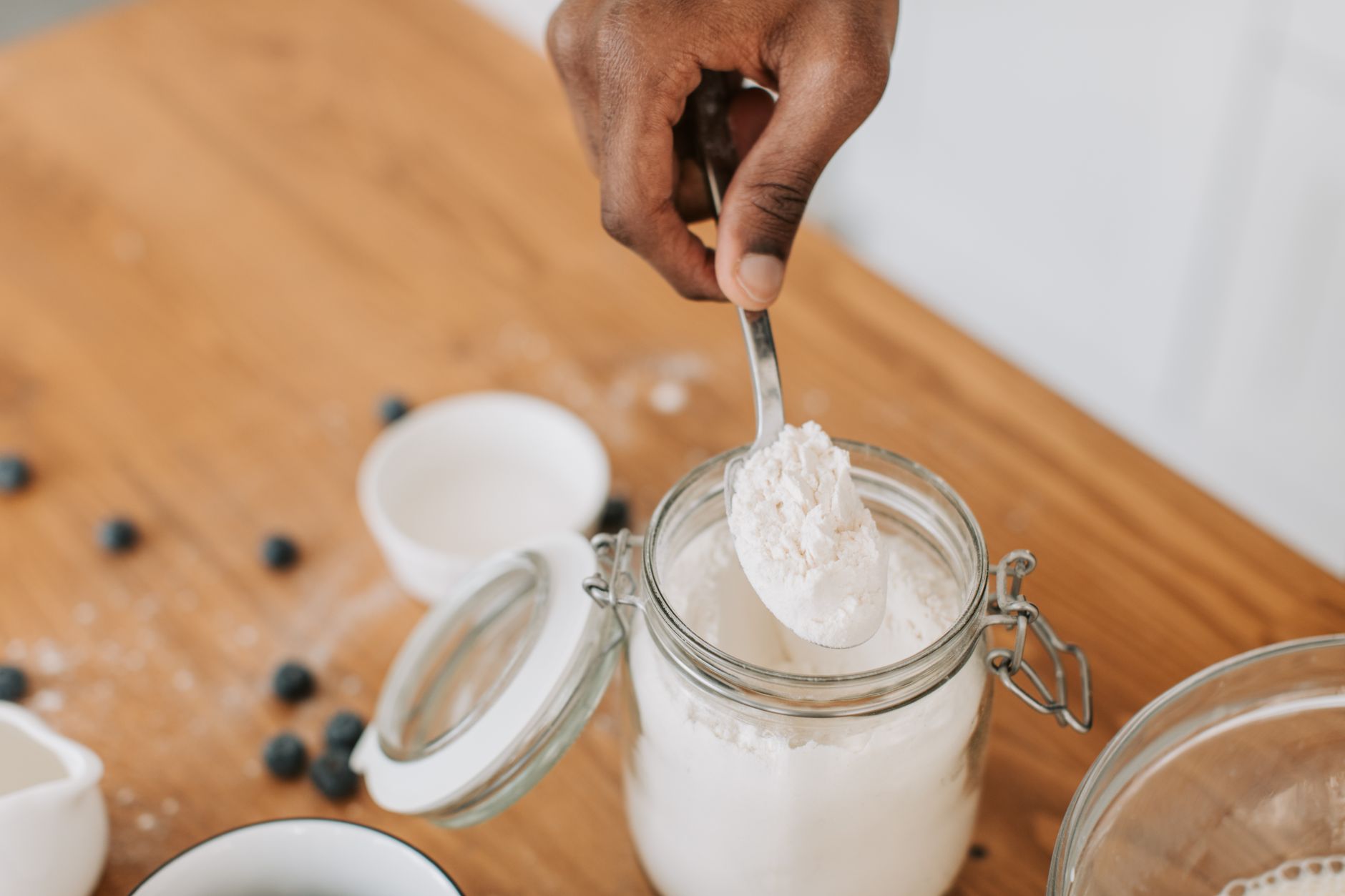
Pour 1 cup of baking soda dry into the drain. Don't dissolve it first — it needs to go in as a powder to make direct contact with the buildup on the pipe walls.
-
3
Immediately follow with 1 cup of white vinegar. Then cover the drain within about 10 seconds using a stopper or a tightly folded cloth. The reaction creates pressure — covering it forces that pressure down toward the clog rather than up and out of the sink.
-
4
Leave it covered for 15–30 minutes. Set a timer. The reaction is mostly done in 15 minutes; beyond 30 you're just waiting. Don't run the tap during this window.
-
5
Flush with the hottest tap water your pipes can handle, for 2–3 minutes. Hot tap water is safe for PVC. If you have metal or copper pipes, a kettle of boiling water works better. For kitchen drains with grease buildup, add a squeeze of dish soap before the flush.
Monthly maintenance — preventing clogs before they start
If the drain isn't blocked but smells off or runs a bit slowly, a lighter version works as routine upkeep. Pour 1/2 cup of baking soda and 1/4 cup of salt in dry, leave for 15 minutes, then flush with 1/2 cup of heated (not boiling) vinegar followed by hot water.
Kitchen drains: once a month. Cooking oil and grease accumulate faster than most people realize — keeping ahead of it is much easier than clearing a full blockage. Bathroom drains: every 6–8 weeks. Hair and product buildup is the main culprit, and pulling out whatever is visible from the drain cover before treatment doubles the result.
Best timing: last thing at night, so the drain gets the full treatment without being immediately flushed by morning hand-washing. Your drain deserves its eight hours too.
When baking soda and vinegar won't help — and what to do instead
We'd be doing you a disservice if we let you keep trying this method on a problem it can't solve. Here are the situations where it won't work, and the right alternative for each.
For Drain Odor (Not Clogs): Our Gentle Sen Method
Baking soda and vinegar are the right tool when a drain is physically slow. If the actual complaint is smell and the water still drains at normal speed, there's a simpler option — and it's the one we reach for first.
Our method for a smelly-but-not-slow drain:
Dissolve one Gentle Sen HOCl tablet in about 20 fl. oz. of water, pour it slowly down the drain, and let it sit for 5 to 10 minutes before flushing with hot water. To be clear about what this does and doesn't do: it won't dissolve a physical clog the way the baking soda and vinegar reaction does — HOCl doesn't create that fizzing pressure. What it does well is odor, without leaving a vinegar smell hanging around the room afterward, and it's fragrance-free and non-toxic if the drain is somewhere shared with kids or pets.
We use the same tablets for the rest of the kitchen and bathroom too — see our full list of ways to use Gentle Sen tablets for ratios on everything from dishwashers to produce washing.
Non-toxic extras that actually make a difference
Baking soda and vinegar handle one part of the equation. These work alongside them — or replace chemical products entirely.
- A drain strainer in the bathroom. Costs $5–10 and prevents the majority of hair clogs before they ever start. The most effective drain "cleaner" is not having to clean the drain. A strainer does that passively, without any effort or chemistry.
- Boiling water for kitchen drains. Once a week, a kettle of boiling water poured slowly down a kitchen drain dissolves fresh grease on its own. Don't use boiling water in PVC pipes — heat can soften the joints over time. Hot tap water is the safe limit for plastic.
- Dish soap and hot water as a flush. A tablespoon of dish soap followed by very hot water cuts through grease without any reaction chemistry. Good as a follow-up treatment or a standalone refresh between monthly baking soda sessions.
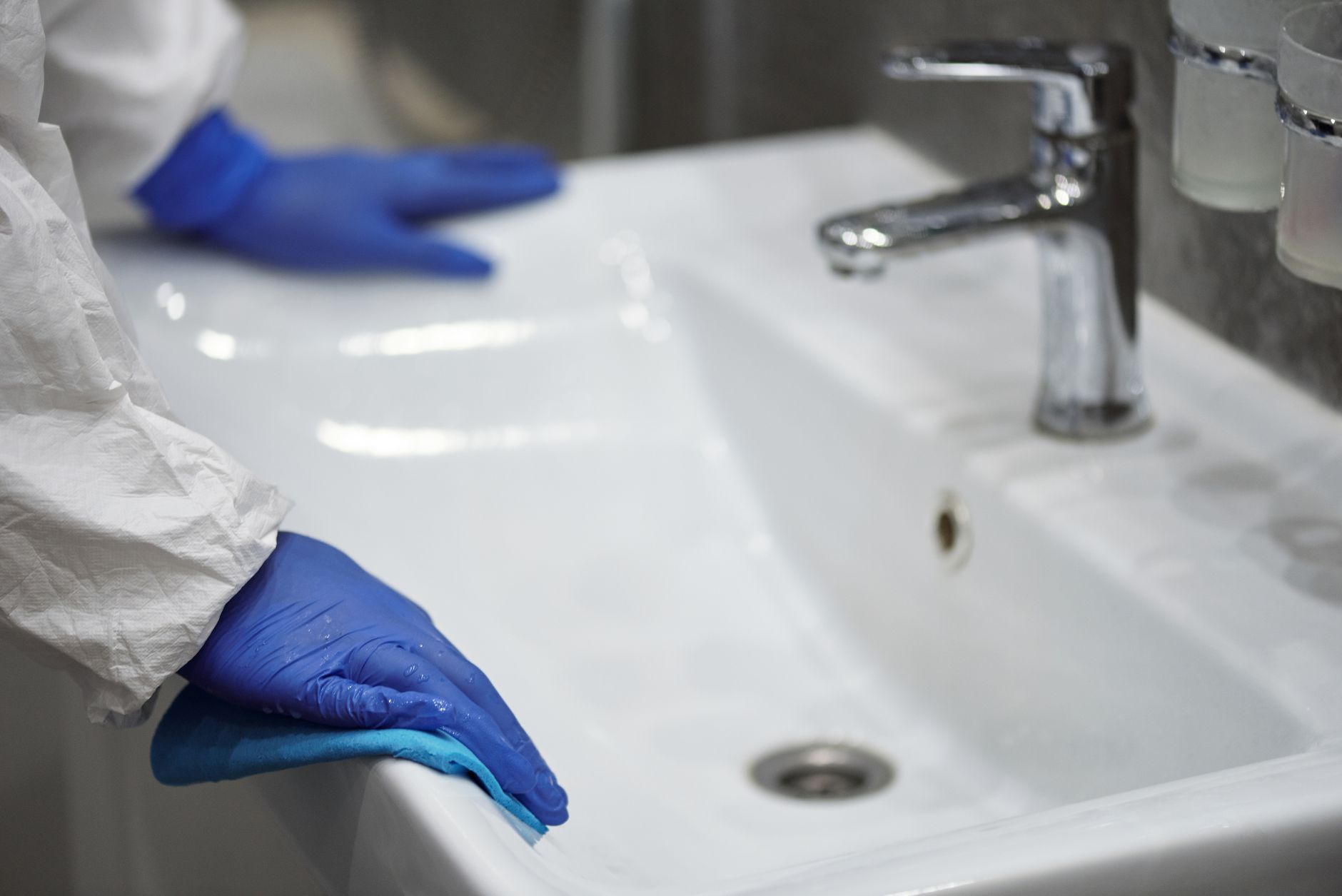
The finish, either way: once the drain is clear, the sink basin itself is a different cleaning problem. Gentle Sen HOCl tablets dissolve in water for a pH-balanced, fragrance-free surface cleaner — safe on the porcelain, the chrome, and the counter around the drain without leaving residue or fumes.
Straight answers (FAQ)
How much baking soda and vinegar do I need to clean a drain?
Use 1 cup of baking soda and 1 cup of white vinegar for a full treatment. For monthly maintenance on a drain that isn't slow, halve it — 1/2 cup baking soda and 1/2 cup vinegar is enough to freshen and prevent buildup.
How long should I leave baking soda and vinegar in the drain?
15–30 minutes. The chemical reaction is largely complete within 15 minutes. Leaving it longer than 30 doesn't improve results — it just delays the flush. Cover the drain while it sits so the pressure works downward rather than dissipating at the surface.
Does baking soda and vinegar actually unclog drains, or just clean them?
Both, depending on what the clog is made of. For soft blockages — hair, soap scum, grease near the drain opening — it can genuinely clear the drain. For solid blockages, standing water, or clogs more than 18 inches down the pipe, it cleans the surface and neutralizes odor, but won't move the physical obstruction.
Can I use apple cider vinegar instead of white vinegar?
Yes. The acetic acid in apple cider vinegar reacts the same way as in white vinegar. White vinegar is the standard choice because it's cheaper and colorless. Either one works.
Is baking soda and vinegar safe for septic systems?
Generally yes — both are biodegradable and non-toxic to the beneficial bacteria that make a septic system function. Baking soda can also help maintain a healthy pH balance in the tank. What to avoid: following the treatment with chemical drain cleaners, which can harm septic bacteria and create problems downstream.
How often should I clean drains with baking soda and vinegar?
Once a month for kitchen drains, every 6–8 weeks for bathroom drains. Kitchen drains accumulate grease faster; bathroom drains accumulate hair and product residue. If you use a drain strainer in the bathroom, you can comfortably stretch the interval to every 8–10 weeks.
What if the drain is still slow after treatment?
Try a manual drain snake first — it physically grabs and pulls out the obstruction rather than relying on chemistry, and handles clogs that baking soda and vinegar can't reach. If the snake doesn't clear it, or if multiple drains in the house are slow at the same time, that points to a main line blockage that needs a licensed plumber.
Is this method safe for all pipe types?
Safe for most modern pipes — PVC, copper, and cast iron. Use caution with very old galvanized or corroded pipes, which can be sensitive to repeated acid exposure. For homes built before 1960 with original plumbing, hot water and dish soap is a gentler routine maintenance option.
Can I use Gentle Sen HOCl tablets to clean my drain?
For odor, yes — dissolve one tablet in about 20 fl. oz. of water, pour it down the drain, and let it sit for 5 to 10 minutes before flushing with hot water. It won't clear a physical clog the way baking soda and vinegar do, since it doesn't create the same fizzing pressure, but it's the better choice when the problem is smell rather than slow drainage. We also use the same dissolved solution to wipe the basin, stopper, and drain cover afterward.
The bottom line
Cleaning drains with vinegar and baking soda is a genuinely useful method for the problems it was designed to handle: slow drains from soap scum, grease buildup, and light hair near the opening. It costs almost nothing, works without fumes, and running it once a month keeps most household drains clear without ever reaching for a chemical product.
A drain strainer in every bathroom and a monthly baking soda treatment in the kitchen will handle most of what you'd otherwise be dealing with. For the cases it can't solve, a $20 drain snake clears about 80% of what's left.
If this guide saved you a plumber call — you're welcome. If it didn't, that's what plumbers are for.
For the clog itself, baking soda and vinegar do the real work. For the smell without the clog, and for wiping down the basin once it's clear, we reach for a dissolved Gentle Sen tablet instead.
Shop the Gentle Sen HOCl Tablet Kits →Sources and further reading
- American Chemical Society — sodium bicarbonate and acetic acid reaction chemistry
- U.S. Environmental Protection Agency — Safer Choice Program — guidance on non-toxic household cleaning
- University of Minnesota Extension — home plumbing and drain maintenance resources
Disclaimer: This article is for informational purposes only and is not intended as plumbing advice for specific home systems. For persistent or recurring drain problems, consult a licensed plumber. Gentle Sen products are multi-purpose surface cleaners and are not drain cleaning products.
0 comments