


The washing machine cleans your clothes four or five times a week. Nobody returns the favor. That's fine for a while — until one morning the laundry comes out smelling like something processed it in a river. At that point the machine is communicating, and the message is not subtle.
Washing machine cleaning tablets are the most practical fix. 3 - 4 tablets, one empty drum, one warm cycle. Most households run one monthly and don't think about it again. That approach works — with two things worth understanding before you start, and one area the tablet genuinely can't reach.

The short version
Select the Clean Tub or Drum Clean setting and start the cycle. After 1–3 minutes — once water is circulating — drop 3–4 tablets directly into the drum. Let the cycle finish, then wipe the drum down and leave the door open to air dry. Run this 2–3 times a month. Tablets handle the drum and internal hoses; the rubber door seal and detergent drawer need a separate manual wipe-down every time.
In this article
Why Washing Machines Get Dirty in the First Place
Every load leaves something behind. Detergent residue coats the drum walls and internal hoses. Hard water deposits calcium and magnesium on surfaces that are constantly wet. Body soil — the things we'd rather not name — accumulates alongside lint in the drum and pump filter.
Then there's the rubber door seal on front-loaders. The folded gasket traps water between every load. Close the door immediately after washing and that pocket stays warm and damp — which is exactly what mold needs. Over weeks, a dark film develops in the folds.
The machine can't clean itself. It circulates water through the same surfaces every cycle, distributing whatever was there before. At some point, the clothes start picking up the history of the drum. That smell is the machine communicating, and it's been patient about it.
(It cleans your clothes in a machine that, over time, gets progressively less clean. We've all noticed this and quietly decided not to examine it too closely.)
What Washing Machine Cleaning Tablets Actually Are
Most washing machine cleaning tablets contain three main active ingredients:
- Citric acid — dissolves mineral scale and hard water deposits from the drum and hoses
- Sodium percarbonate — an oxygen-releasing compound that breaks down organic residue, including mold, detergent film, and body soil
- Surfactants — lift and suspend grease and soap scum so the rinse water carries them out
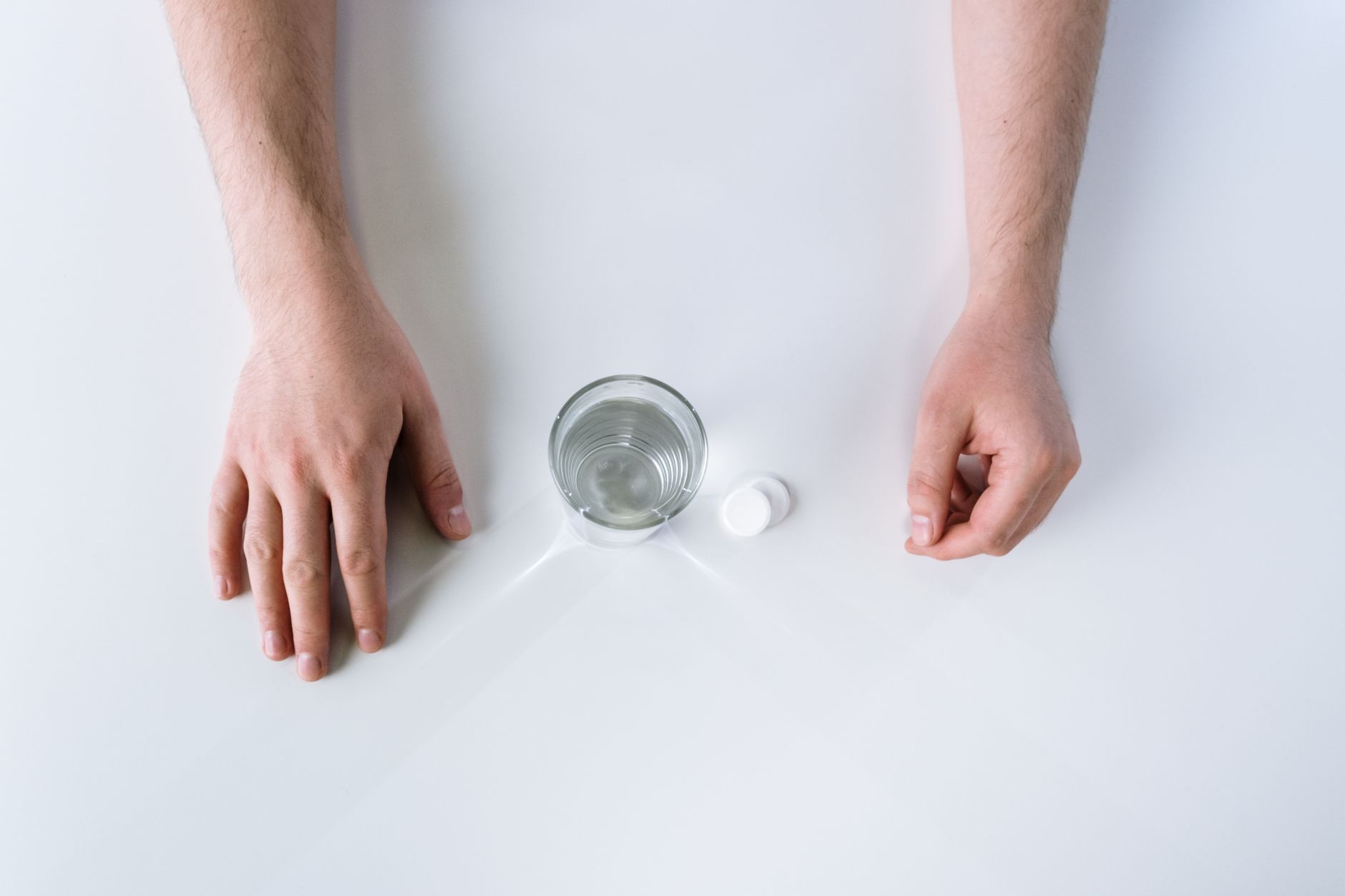
The tablet format dissolves in warm water and circulates through the machine's full internal loop — drum, pump, hoses, and dispenser lines. That's the part of the machine that a regular laundry cycle never reaches.
These are not laundry detergent. They clean the machine the clothes go into. Running them with a load of laundry defeats the purpose of both.

How to Use Washing Machine Cleaning Tablets — Step by Step
-
1
Empty the drum completely. No clothes. Cleaning tablets are formulated for machine surfaces, not fabrics. A load of laundry in there dilutes the cleaning action and may leave residue on clothing.
-
2
Start the Clean Tub or Drum Clean cycle. Select it and let the machine begin. The goal here is to get water flowing and the drum warming up before you add anything. Give it 1–3 minutes.
-
3
Add 3–4 tablets directly into the drum. Once water is circulating, open the door and drop the tablets straight into the drum — not the detergent dispenser. Adding them to already-running water helps them dissolve evenly and distribute through the full internal loop. Cold water and cleaning tablets are roughly as compatible as a gym membership and January intentions — so make sure the cycle has actually started and is running warm before you add them.
-
4
Let the Drum Clean cycle finish. Don't interrupt it. The cycle runs the dissolved tablets through the drum, hoses, and pump — that's where the buildup lives.
-
5
Wipe the drum and air dry. Once the cycle ends, wipe down the drum interior with a clean cloth. For front-loaders, work around the rubber door gasket too, including inside the folds. Leave the door open until everything is fully dry — at least an hour. Closing it immediately traps moisture and restarts the problem.
Front-Load vs Top-Load: Is There a Difference?
The core process is the same across both types — start the cycle, let water run 1–3 minutes, add 3–4 tablets, let it finish, wipe and air dry. The minor differences are below.
Front-load washers
- Start the Tub Clean or Drum Clean cycle first, then add 3–4 tablets after water is flowing
- Many models have a dedicated cycle that runs warm or hot and reverses drum direction — use it if available
- The rubber door gasket is the main mold site — wipe it thoroughly after, including inside the folds
Top-load washers
- Start the Clean Washer cycle, let water begin filling (1–3 minutes), then add 3–4 tablets directly into the drum
- Don't place tablets over the center agitator — drop them into the water in the drum
- After the cycle, wipe the drum rim and pull out the detergent dispenser drawer to clean it separately
Front-loaders need more attention on the gasket because the door seals against rubber on every single cycle. That repeated contact, combined with residual moisture, means mold builds faster there than anywhere else on the machine.
How Often Should You Use Washing Machine Cleaning Tablets?
2–3 times a month. That works out to roughly once every 10–15 days, depending on how heavily the machine is used. For a household running five or more loads a week, staying closer to 3 times a month makes sense. For lighter use, 2 times is fine.
A few situations worth knowing:
- Hard water area: mineral scale builds fast — stick to 3 times a month
- Pet hair in the laundry: adds drum and filter buildup — 3 times a month
- Persistent odor already present: run back-to-back cycles to clear the backlog, then maintain the regular schedule
- Light use (one or two loads a week): 2 times a month is enough
Simple rule: if the drum or the finished laundry smells like anything at all, you're already overdue.
The Part Cleaning Tablets Can't Reach
The tablet cycle is effective at what it's designed for: cleaning the drum, pump, hoses, and internal water path. What it does not do is physically scrub any surface. That matters for three areas that don't get cleaned by water circulation alone.
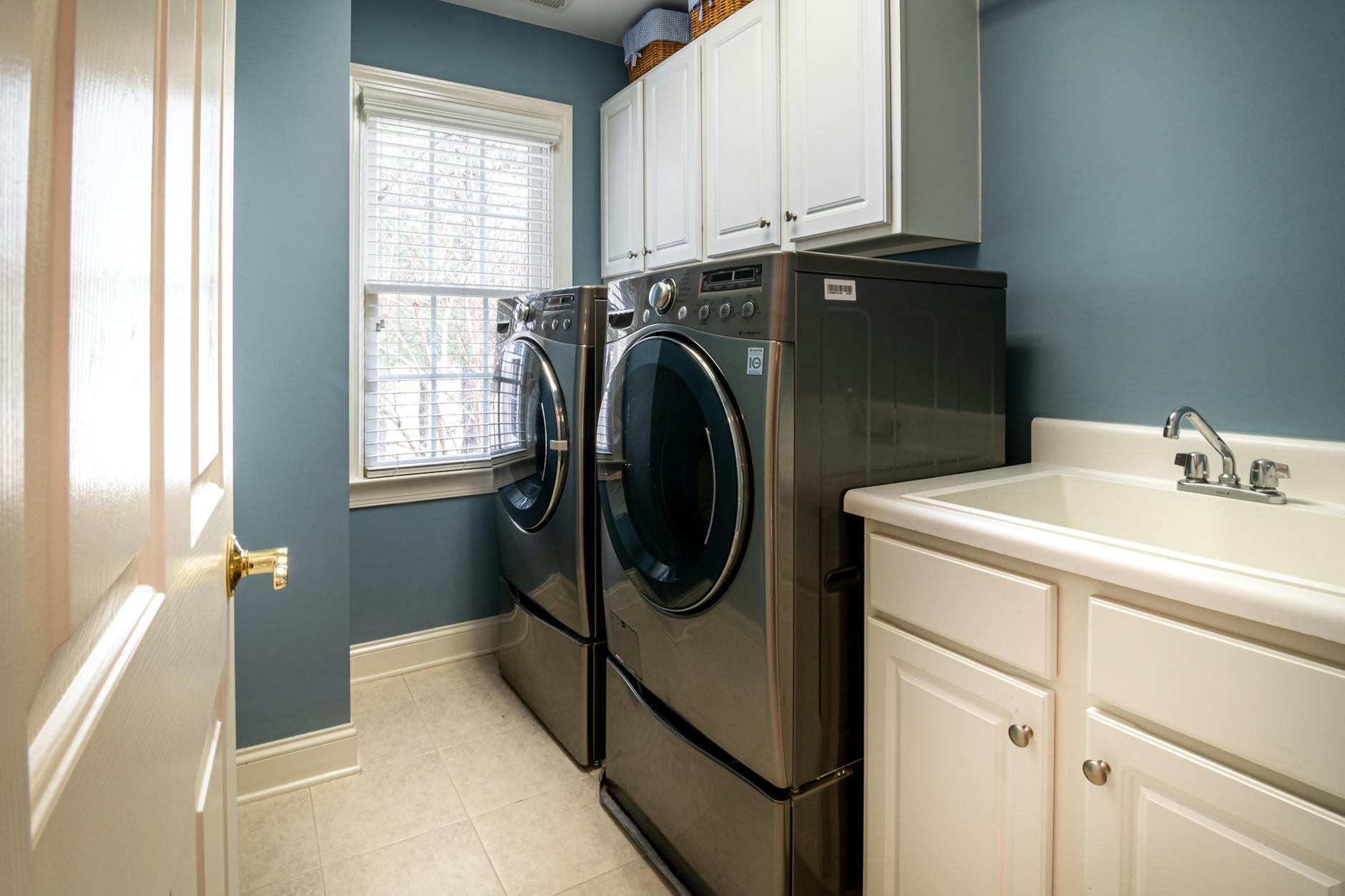
The rubber door gasket (front-loaders)
The folded seal traps water, lint, and hair between every load. Over weeks, a dark film accumulates in the folds. That film is usually the primary source of the musty smell that lingers even after a cleaning cycle. The drum cycle loosens some residue from the gasket surface, but it doesn't get into the folds. That requires a manual wipe.
The detergent drawer
Liquid and powder detergents leave a sticky residue that dries into crust inside the drawer compartments. Pull the drawer out, soak it in warm water, scrub the housing, rinse. This is completely separate from the tablet cycle and needs to happen on its own schedule.
The door glass and machine exterior
Water spots, detergent drips, and fingerprints. A damp microfiber cloth handles this.
For the rubber seal and detergent drawer:
We make Gentle Sen HOCl tablets for exactly this kind of situation. Dissolve one tablet in water, apply the solution to the rubber gasket and drawer surfaces, wipe clean. pH-balanced, fragrance-free, and non-toxic — no harsh fumes in an enclosed laundry room. The solution breaks down into water and trace minerals. Nothing to rinse off afterward, nothing to store between uses.
It works well as a complement to the drum tablet cycle: the cleaning tablet handles the inside of the machine, and the HOCl solution handles the surfaces the drum cycle can't reach. More about HOCl as a home cleaner →
Common Mistakes That Make It Worse
- Running a cleaning tablet with clothes in the drum. Dilutes the cleaning action and may leave residue on fabrics.
- Putting the tablet in the dispenser instead of the drum. Tablets often don't dissolve properly there, so neither the dispenser nor the drum gets cleaned effectively.
- Using a cold or short cycle. Sodium percarbonate needs heat to activate. A cold quick wash sends the tablet through without giving it the temperature or time to work.
- Skipping the wipe-down after the cycle. Loosened residue collects in the gasket and drum rim. Leaving it means it redistributes on the next load.
- Closing the door between loads. Traps moisture and accelerates the mold growth the cleaning cycle was meant to prevent.
- Cleaning only once a month. Running cleaning cycles 2–3 times a month is far more effective than periodic rescue operations once the smell is already established.
Run the Cycle, Wipe the Seal, Leave the Door Open
Washing machine cleaning tablets handle the drum and internal plumbing — the part of the machine water flows through but laundry cycles never clean. They're doing their job. The rubber seal and detergent drawer are a separate job, and they need a manual wipe after every cleaning cycle.
Do that 2–3 times a month and the laundry will smell like laundry again instead of like something that developed strong opinions about being left in a damp enclosed space.
See the Gentle Sen HOCl Tablets →Frequently Asked Questions
How do washing machine cleaning tablets work?
They contain citric acid and sodium percarbonate, which dissolve in warm water and circulate through the drum, hoses, and pump. Citric acid dissolves mineral scale from hard water; the percarbonate releases oxygen that breaks down organic residue — mold, detergent film, and body soil. The tablet format lets the active ingredients reach internal areas that regular laundry cycles never clean.
Where do you put washing machine cleaning tablets?
Into the drum — but with one important step first. Start the Clean Tub or Drum Clean cycle and let it run for 1–3 minutes until water is flowing. Then open the door and drop 3–4 tablets directly into the drum. Adding them to water that's already circulating helps them dissolve evenly. Don't use the detergent dispenser — tablets don't dissolve reliably there.
How often should you use washing machine cleaning tablets?
2–3 times a month — roughly every 10–15 days. Heavy users (large households, pet hair in the laundry, hard water) should run closer to 3 times a month. Light users can get by with 2. If the drum smells between cycles, run back-to-back cleaning cycles to clear the backlog, then maintain the regular schedule.
Can you use washing machine cleaning tablets in a front-load washer?
Yes. Start the Tub Clean cycle, wait 1–3 minutes for water to begin flowing, then add 3–4 tablets into the drum. Let the cycle finish, then wipe the rubber door gasket thoroughly — including inside the folds — and leave the door open to air dry. Front-loaders are more prone to gasket mold than top-loaders because the door seals against rubber on every cycle.
Why does my washing machine still smell after using a cleaning tablet?
The most common reason is the rubber door gasket. Tablet cycles circulate water through the machine but don't physically scrub the seal. If there's visible dark buildup in the gasket folds, a drum cycle alone won't clear it — that surface needs a manual wipe with a damp cloth and a non-toxic surface cleaner. Wipe after every cleaning cycle going forward.
Can I make my own washing machine cleaning tablets at home?
DIY versions typically combine citric acid, baking soda, and a small amount of dish soap or surfactant, pressed into molds and allowed to harden. They can work against light mineral scale and mild odors. Commercial tablets often include sodium percarbonate for heavier organic buildup, which is harder to replicate at home without sourcing that specific ingredient. For light maintenance between commercial cycles, a cup of citric acid dissolved directly in hot water run as a cleaning cycle is a practical alternative.
Are washing machine cleaning tablets safe for septic systems?
Most are — look for products labeled septic-safe. Citric acid and sodium percarbonate both break down without disrupting the bacterial activity septic systems depend on, at typical use levels. Check individual product labels for confirmation if you have a sensitive system.
Can you run a washing machine cleaning tablet with clothes in the machine?
No. Cleaning tablets are formulated for machine surfaces, not fabrics. Running them with laundry dilutes the cleaning action, meaning the machine doesn't get properly cleaned, and may leave residue on clothing — particularly on delicate or white fabrics. Always run the cycle on an empty drum.
Sources
- U.S. Environmental Protection Agency — Safer Choice Program
- Laundry Care Guide — American Cleaning Institute
This article is for informational purposes only and does not constitute medical or professional cleaning advice. Gentle Sen products are general-purpose cleaners and are not intended to diagnose, treat, or prevent any condition.
0 comments