


Your coffee maker is probably the dirtiest appliance in your kitchen. Not because you're negligent — because it runs hot water through the same pipes every morning and nobody built in a reminder. Cleaning a coffee maker with vinegar takes about five minutes of actual effort and one hour of patient waiting, which is a ratio we consider acceptable.
The white film on your carafe, the sluggish brew cycle, the coffee that somehow tastes both bitter and flat at the same time — that's mineral buildup and rancid coffee oils. White distilled vinegar handles both. Here's how to do it correctly, how often, and when to skip it entirely.
The short version
Mix equal parts white distilled vinegar and water. Run a half-brew cycle, pause for 30–60 minutes, finish the cycle, then rinse with plain water twice. Monthly if you drink coffee daily; every three months if you're occasional about it. If your machine says no vinegar, trust the manual over the internet.
In this guide
- What actually builds up inside a coffee maker
- Why vinegar works on all of it
- How to clean a coffee maker with vinegar: step-by-step
- The right vinegar-to-water ratio
- When not to use vinegar in your coffee maker
- How often you actually need to clean it
- Three things that keep your coffee maker cleaner for longer
- Straight answers (FAQ)
What actually builds up inside a coffee maker
Every cup of coffee leaves something behind. Over months, that something turns into a real problem.
Mineral deposits form when hard water evaporates and leaves calcium and magnesium behind. They coat the heating element, slow your brew time, and force the machine to work harder to reach the right temperature. The USGS estimates that roughly 85% of US homes have hard water — so most coffee makers are quietly calcifying right now.
Coffee oils are natural and present in every bean. They're also what causes bitterness when they go rancid. That happens faster than you'd expect when oils sit on warm plastic and metal — a week is enough.
Mold and yeast thrive in a damp, warm reservoir. You can't always see them. This is usually the part of the explanation that motivates people to clean the machine they've been ignoring since 2023.
Why vinegar works on all of it

White distilled vinegar is about 5% acetic acid. That's enough to dissolve calcium carbonate — the compound that makes up limescale — without damaging your machine. It's the same chemistry that makes vinegar effective on shower heads, kettles, and anything else touched by hard water regularly.
The acetic acid also breaks down coffee oils before they can settle in permanently. And it creates an environment where mold doesn't thrive, which addresses the reservoir problem without requiring anything stronger.
Your coffee maker has been running a slow chemistry experiment inside its pipes for months. The vinegar is just completing the hypothesis. (It's also completing the reason your morning coffee has started tasting like regret.)
How to clean a coffee maker with vinegar: step-by-step
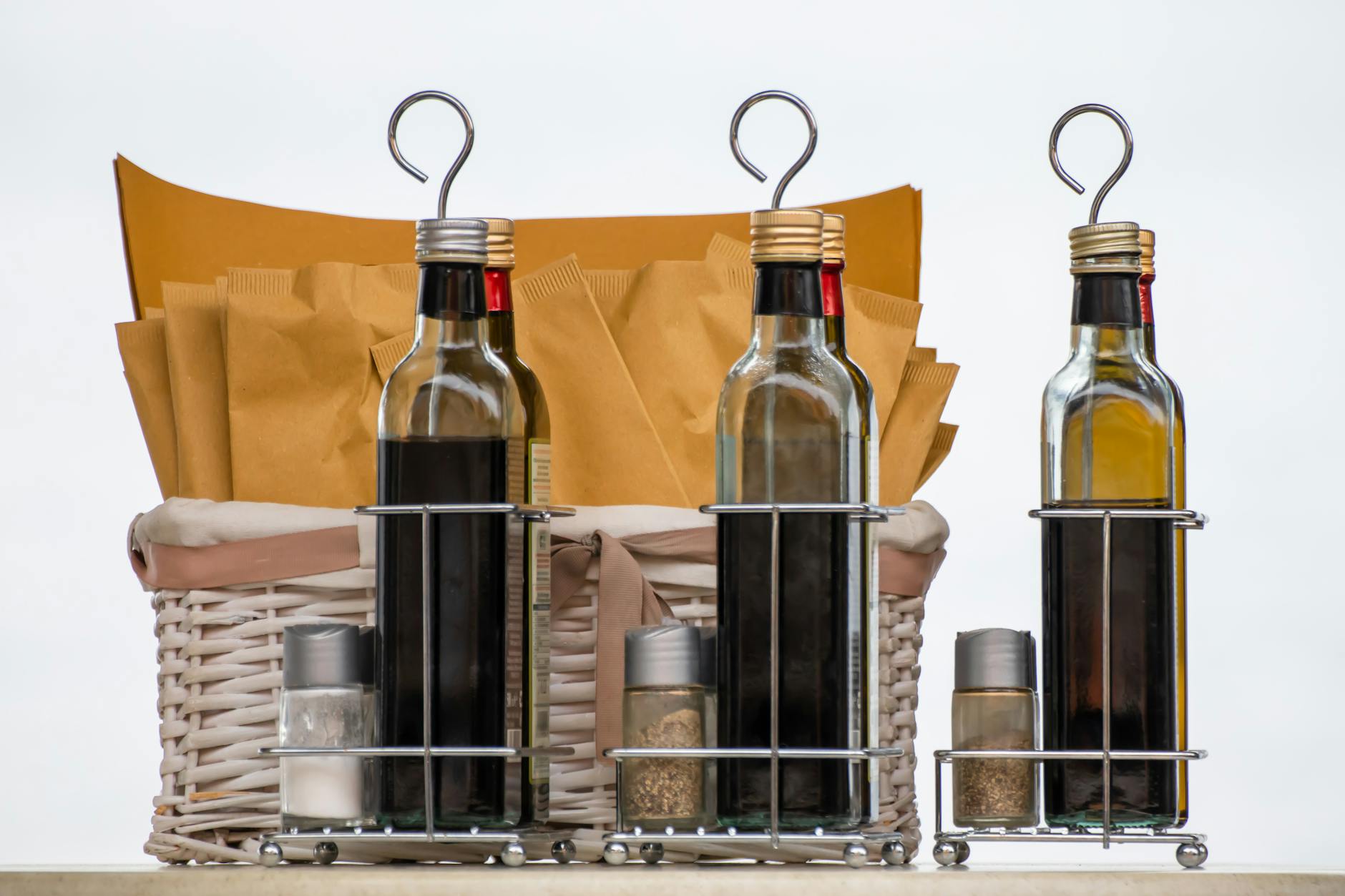
These steps work for standard drip coffee makers. Single-serve machines and espresso makers have different internals — check the manual before running vinegar through them.
-
Empty the carafe and remove any used coffee grounds or paper filters.
-
Fill the water reservoir with a 50/50 mix of white distilled vinegar and water. If your carafe holds 10 cups, use 5 cups of each.
-
Start a regular brew cycle. When the carafe is about half full, pause the machine. Let the vinegar solution sit inside the system for 30 to 60 minutes. The longer the better for heavy buildup.
-
Resume and finish the brew cycle. Discard the solution and rinse the carafe.
-
Run two full cycles of plain fresh water through the machine, discarding each one. Run a third cycle if you can still smell vinegar. Coffee that tastes like a salad dressing is not the outcome we're aiming for.
-
Wash the carafe, filter basket, and drip tray by hand with warm soapy water, or run them through the dishwasher if they're dishwasher-safe.
The right vinegar-to-water ratio
The 1:1 ratio — equal parts white vinegar and water — is the standard starting point and works for routine maintenance.
For machines you clean regularly or with light buildup, a 1:2 ratio (one part vinegar, two parts water) is sufficient. For machines that haven't been cleaned in over a year, run a cycle of straight undiluted vinegar first, then follow immediately with the diluted 1:1 mix and three rinse cycles. That extra step handles the heavier scale that a standard run won't fully dissolve.
When not to use vinegar in your coffee maker
This is the section most guides skip — and the one that saves you a headache.
Check your manual first. Some manufacturers explicitly state not to use vinegar. Their concern is that acetic acid can degrade internal rubber seals and certain heating element coatings over time. Some also note it may void the warranty — which is their way of saying they'd prefer you buy their branded descaling tablets. That's a fair position to have, even if it's a commercially motivated one.
If your machine has a built-in water filter, remove or bypass it before running vinegar through. Acidity degrades activated carbon filters and will shorten their lifespan.
If you don't have 90 minutes to complete the process including rinse cycles, don't start. A half-cleaned machine with residual vinegar in the pipes is worse than skipping the clean. The next cup of coffee will remind you why the rinse cycles aren't optional.
How often you actually need to clean it
Frequency depends on two things: how often you use the machine and how hard your water is.
- Daily coffee drinker: once a month.
- Occasional drinker: every three months is enough.
- Hard water area: more frequently. The reliable signal is when your brew cycle noticeably slows — that's scale on the heating element, not a personality quirk the machine has developed.
If you can see a visible white film in the carafe or on the basket, you're already overdue. That film is calcium — and it doesn't go away on its own.
Three things that keep your coffee maker cleaner for longer
These won't replace the vinegar clean, but they extend the time between each one.
Use filtered water. Mineral-heavy tap water is the primary source of scale buildup. Running your coffee maker with filtered or low-mineral water makes a measurable difference in how quickly deposits form.
Empty and rinse the carafe the same day. Old coffee sitting in a warm carafe is what causes oils to go rancid fastest. The rinse takes 30 seconds. The smell it prevents takes considerably longer to describe.
Leave the reservoir lid open after your morning brew. A damp, enclosed reservoir is ideal for mold growth. Leaving the lid open allows it to dry between uses. It's a small habit with a disproportionate payoff — and it costs nothing except remembering to do it.
Straight answers (FAQ)
Does vinegar really clean a coffee maker?
Yes. White distilled vinegar's acetic acid dissolves calcium carbonate — the compound that makes up limescale — and breaks down the coffee oil residue that accumulates over time. It's been the standard home descaling method for decades, largely because it's inexpensive, food-safe, and already in most kitchens.
What is the right vinegar-to-water ratio for cleaning a coffee maker?
The standard is a 1:1 ratio — equal parts white distilled vinegar and water. For heavy buildup, run a straight vinegar cycle first, then follow with the diluted mix. For light maintenance on a regularly cleaned machine, a 1:2 ratio (one part vinegar to two parts water) is sufficient.
How do I get the vinegar smell out after cleaning?
Run two full cycles of plain fresh water through the machine after discarding the vinegar solution. Most machines clear fully in two rinses. If you can still detect vinegar on the third cycle, the initial solution was probably too strong or sat for too long — run one more water cycle and it should be gone.
Can I use apple cider vinegar to clean my coffee maker?
Technically yes, but we'd steer you toward white distilled vinegar instead. Apple cider vinegar has the same acetic acid content, but it can leave a faint amber color on lighter plastics and a residual apple flavor that requires more thorough rinsing. White distilled is clear, consistent in strength, and rinses out more cleanly.
What happens if you never clean your coffee maker?
Mineral deposits accumulate on the heating element, eventually slowing brew times and reducing the maximum water temperature your machine reaches — which affects extraction and flavor. Rancid coffee oils make each cup progressively more bitter. In the reservoir, mold and yeast can establish themselves in as little as a few days in humid environments. The machine doesn't fail dramatically; it just produces worse coffee, more slowly, until you notice.
Is there a difference between descaling and cleaning?
Descaling specifically targets mineral deposits — the calcium and magnesium left behind by hard water. Cleaning covers everything else: coffee oils, residue, and microbial growth in the reservoir and removable parts. Vinegar does both simultaneously, which is part of why it's a practical first choice. Commercial descaler tablets are specifically formulated for the mineral side and are often gentler on rubber seals.
Are there non-vinegar alternatives for cleaning a coffee maker?
For descaling the internal system, commercial descaler tablets or citric acid solutions work similarly to vinegar and are gentler on rubber seals — worth considering if your manual advises against vinegar. For the removable parts (carafe, basket, drip tray), an HOCl solution handles coffee oil residue effectively without leaving any smell or acid residue on plastic surfaces.
How long does the whole cleaning process take?
The active steps — filling the reservoir, starting and pausing the cycle, discarding solutions — take about 10 minutes total across the process. The waiting time while the vinegar solution sits mid-cycle is 30 to 60 minutes. Including the two rinse cycles, plan for roughly 90 minutes from start to first clean cup. Most of that is the machine doing the work while you do something else.
Coffee that tastes like coffee. That's the whole goal.
A clean coffee maker doesn't make your coffee taste better so much as it stops it tasting worse. Remove the scale, clear out the oils, give the reservoir a chance to dry — and the machine you've had for three years starts behaving like a machine you just bought.
If you want a non-acid option for cleaning the removable parts between vinegar runs — no smell, no residue, nothing that carries into your coffee — Gentle Sen HOCl tablets are what we reach for. One tablet dissolved in water, a 10-minute soak, and a rinse. That's it.
See how Gentle Sen works →Sources
- USGS Water Science School: Hardness of Water — data on US hard water prevalence and mineral composition.
- NSF International: Water Filtration and Kitchen Safety — guidance on water quality and appliance maintenance.
- NSF International: How to Clean Your Kitchen — NSF's kitchen hygiene guidance, including coffee maker reservoirs as a common source of mold and yeast in home kitchens.
This article is for informational purposes only. It is not medical advice. Gentle Sen products are multi-purpose cleaners; they are not medical devices and make no therapeutic claims. Always follow the manufacturer instructions for your specific coffee maker model.
0 comments