


How to strip laundry, in short: soak already-clean towels, sheets, or cloth diapers in a tub of the hottest safe water mixed with powdered detergent, borax, and washing soda for four to six hours, stirring every hour, then run them through one more wash with nothing added. It pulls out the mineral, oil, and detergent film a normal wash cycle never touches — the buildup that makes "clean" towels smell musty an hour after they dry and stop soaking up water the way they used to.
It's not a laundry-day habit. It's an occasional reset for one specific problem, and it works because of what it does to the water, not the fabric.
(If a towel has started beading water instead of absorbing it, that's not a towel problem. That's a buildup problem, and stripping is the actual fix — not another rinse cycle.)
The short version
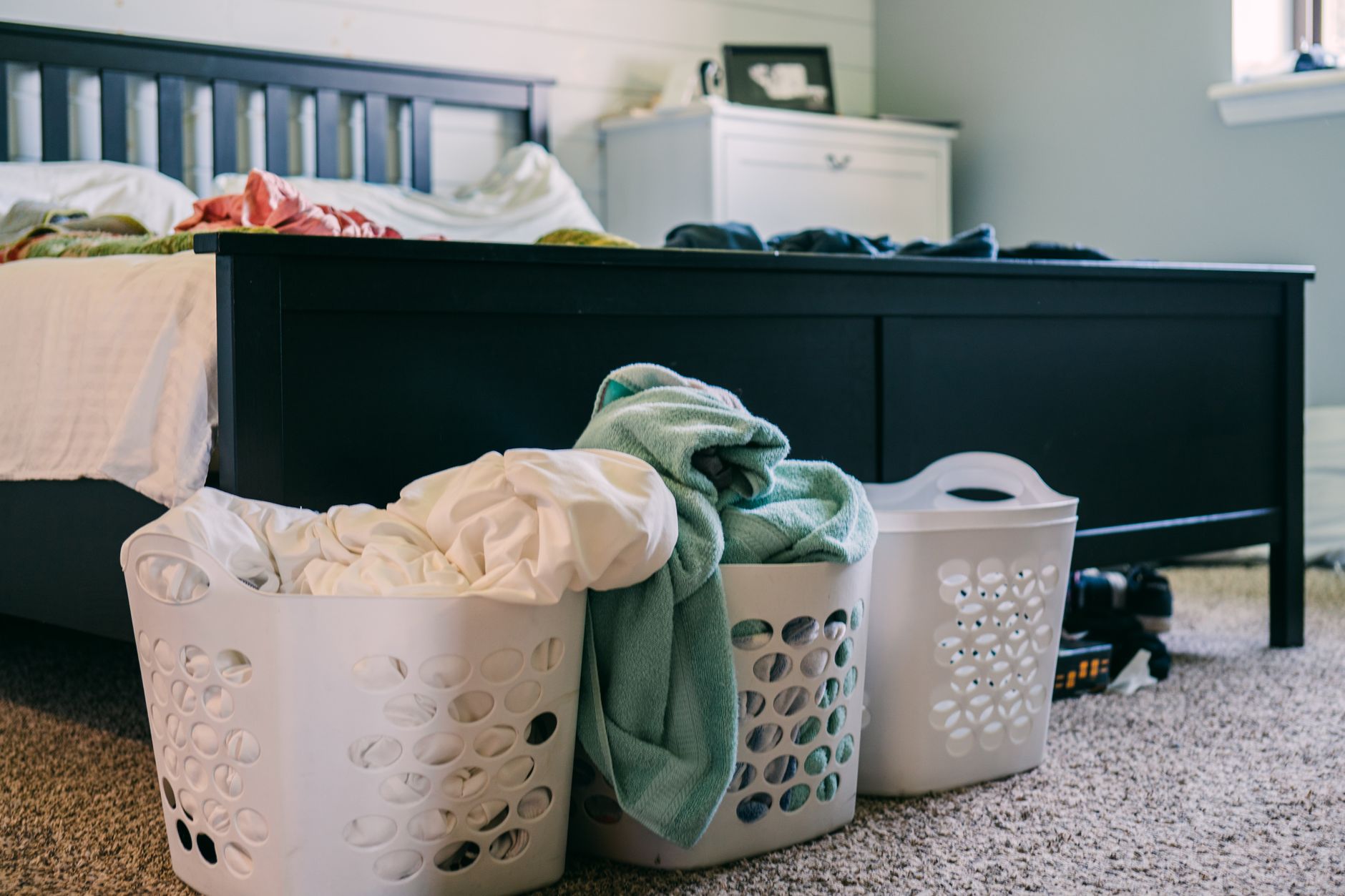
Laundry stripping is a deep soak, not a wash — you're not meant to do it every laundry day. Fill a tub with the hottest water your fabric can handle, dissolve in powdered detergent, borax, and washing soda, soak for four to six hours stirring occasionally, then machine-wash with nothing added. It's worth doing on towels, sheets, and cloth diapers two to four times a year — never on delicates, wool, or elastic-heavy fabric. Check the safety section before trying it on baby clothes or anything touching eczema-prone skin; the recipe itself isn't gentle.
In this article
- What is laundry stripping, really?
- The signs your towels actually need it
- What you need — the stripping recipe
- How to strip laundry, step by step
- Is it safe for cloth diapers, baby clothes, and eczema-prone skin?
- How often should you actually do this?
- Mistakes that ruin a strip
- Keeping buildup from coming back
- Frequently asked questions
What Is Laundry Stripping, Really?
Every wash leaves something behind. Liquid detergent doesn't fully rinse out on a normal cycle, fabric softener coats fibers in a thin waxy film, and hard-water minerals bond to whatever's left. None of it happens in one wash. It happens over months, load after load, until the towel that used to feel like a towel starts acting like a rain jacket.
Laundry stripping is a hot, alkaline soak that reverses that buildup in one go. Hot water opens the fibers wider than a washing machine ever gets them. Borax and washing soda raise the water's pH enough to break the bond between the buildup and the fabric. Powdered detergent finishes the job by lifting what's been loosened into the water instead of letting it resettle. Nothing about a normal wash cycle does all three at once — that's the entire reason stripping exists as its own separate step.
It's descriptively named, at least. You're not stripping paint. You're stripping the residue of every wash that came before this one.
The Signs Your Towels Actually Need It
Buildup doesn't announce itself. It shows up as a handful of small annoyances that are easy to blame on the towel, rather than on whatever's coating it.
- Towels smell musty again within a day of a proper wash and dry, with no visible dirt to explain it.
- A towel beads water on the surface instead of soaking it in — the classic tell.
- White sheets or shirts have gone dull gray, and no amount of whitening detergent brings them back.
- Static cling has gotten noticeably worse, especially straight out of the dryer.
- You're on well water or hard water, or you've used fabric softener on the same towels for years.

(None of this means your washing machine is broken. It means the machine is doing exactly what it's designed to do, and the buildup is winning anyway.)
What You Need — The Stripping Recipe

The standard ratio, borrowed from the cloth-diaper community that popularized this method, is two parts powdered laundry detergent to one part borax to one part washing soda. For a bathtub filled about a third to halfway with the hottest water your fabric can take, that usually works out to roughly 1 cup of detergent, 1/2 cup of borax, and 1/2 cup of washing soda — scale up or down for a smaller basin.
Three things matter more than the exact measurements. It has to be powdered detergent, not liquid — liquid detergent is formulated with surfactants that behave differently in an alkaline soak and won't pull buildup the same way. The water has to be genuinely hot, not warm. And the laundry going in has to already be clean. Stripping isn't a substitute for washing dirty laundry — it's a follow-up step for laundry that's already been through a normal cycle.
Worth saying plainly: this recipe is not the gentle option. Borax and washing soda are both alkaline enough to bother a compromised skin barrier, which is exactly why the safety section below exists.
How to Strip Laundry, Step by Step
-
1
Start with laundry that's already clean. Wash it normally first — stripping removes buildup, not dirt.
-
2
Fill a tub, sink, or large bin with the hottest water your fabric can safely handle, about a third to halfway full.
-
3
Dissolve the powdered detergent, borax, and washing soda completely before adding fabric. Undissolved granules can mark or lighten delicate spots.
-
4
Submerge everything fully and soak for four to six hours, stirring every hour with a wooden spoon or gloved hands.
-
5
Watch the water. Gray, cloudy, or discolored water is buildup leaving the fabric — that's the method actually working.
-
6
Drain the tub, wring everything out, and run one full machine wash with nothing added — no detergent, no softener.
-
7
Dry as normal. If a towel still feels stiff afterward, one strip usually isn't the end of the story — see the mistakes section below.
(Yes, six hours is a long time to look at a tub. No, checking on it every ten minutes does not speed up the chemistry.)
Is It Safe for Cloth Diapers, Baby Clothes, and Eczema-Prone Skin?
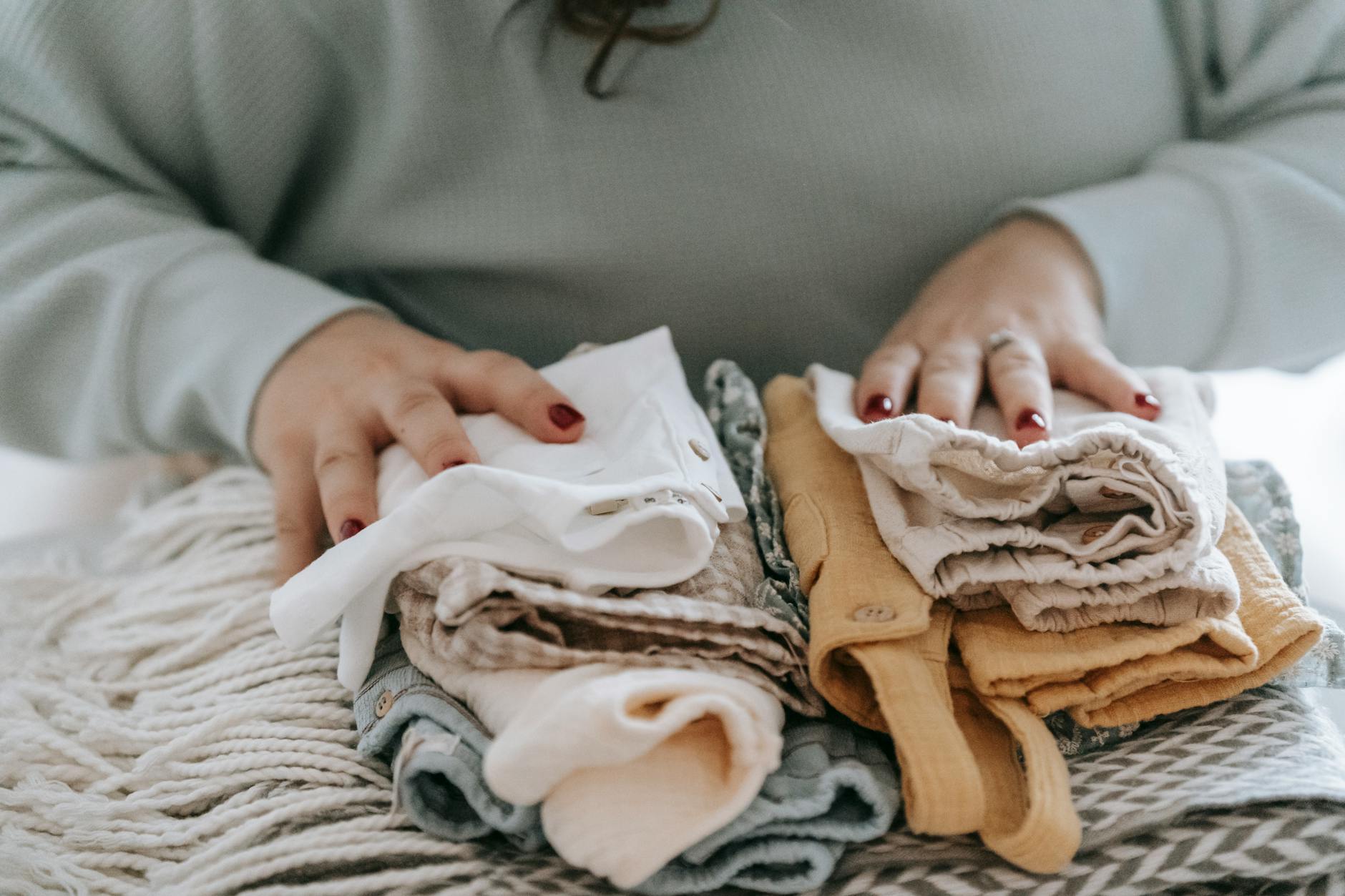
Cloth diapering is where laundry stripping got popular in the first place — detergent and mineral buildup on diaper inserts traps ammonia and stops them absorbing properly, which is a much bigger problem on a diaper than on a bath towel.
That doesn't make the recipe itself gentle. Borax and washing soda are alkaline, and alkaline residue left in fabric can aggravate skin that's already compromised — which describes most eczema-prone and TSW-affected skin, and all newborn skin by default. If you're stripping diaper inserts or baby clothes, run at least two full machine rinses afterward instead of the usual one, and check that the final rinse water runs clear before anything touches skin.
We'd go further for anything touching an active flare: skip stripping that item entirely and switch to a fragrance-free detergent with a second rinse cycle built into the normal routine instead. Gentle Sen exists because our own son went through eczema and topical steroid withdrawal in 2024, and residue left behind by products marketed as "gentle" was part of the problem, not the solution. A stronger clean isn't automatically a safer one.
How Often Should You Actually Do This?
Two to four times a year is the right cadence for towels, sheets, and everyday laundry — enough to clear buildup before it's noticeable, not so often that you're doing it out of habit instead of need. Cloth diaper inserts run into buildup faster, and some households strip those monthly, but that's a diaper-specific problem, not a laundry-in-general one.
Here's the opinion part: if you find yourself stripping the same load more than four times a year, stripping isn't the actual fix. That's usually a detergent-dose or water-hardness problem, and no amount of soaking corrects a cause that's still running through your machine every single wash. Switching to a detergent measured for your water hardness — our guide to non-toxic laundry detergent covers what to look for — does more long-term work than any strip.
Mistakes That Ruin a Strip
- Using liquid detergent instead of powdered — it won't lift buildup the same way and can leave the water cloudy for the wrong reason.
- Stripping laundry that wasn't clean to begin with — that's just soaking dirt into hot, alkaline water.
- Skipping the stirring — buildup that's loosened but not disturbed just resettles back into the fabric by hour five.
- Skipping the machine wash afterward — leaves alkaline residue sitting in fabric that's about to touch skin.
- Doing it on wool, silk, or anything elastic-heavy — the heat and alkalinity are hard on both.
- Doing it more than a few times a year, per the opinion above.
(We've yet to meet anyone who regretted stirring more. Regretting a forgotten silk pillowcase in the mix is more of a rite of passage.)
Keeping Buildup From Coming Back
Stripping treats buildup after it's happened. The better long game is not feeding it in the first place — using the right detergent dose for your water hardness, skipping fabric softener on towels specifically (it's the single biggest contributor to that waterproof feeling), and keeping the washing machine itself from adding residue back into every load it runs.
That last part is easy to forget.
If the drum itself is carrying old detergent film, it's redepositing a little of it onto every load — including the one you just stripped. We run a Gentle Sen HOCl tablet through an empty hot cycle once a month specifically for that. Our full guide to cleaning a washing machine covers the whole routine, and our washing machine cleaning tablets guide covers what the tablets do and don't fix on their own.
None of that replaces an occasional strip. It just means you'll need one less often.
Save It for the Towels That Have Earned It
Laundry stripping works, and it's simple enough to do with things already under most sinks. It's also not a habit, a cure-all, or something to reach for on delicate fabric, brand-new towels, or anything currently touching a skin flare.
If your towels are new, or you already wash with the right detergent dose for your water, skip it — there's no buildup to strip yet. Save the tub soak for the towels that have actually earned it.
See How Gentle Sen Keeps Buildup From Starting →Frequently Asked Questions
What is laundry stripping and does it actually work?
Laundry stripping is a hot, alkaline soak — usually powdered detergent, borax, and washing soda — that pulls detergent film, body oils, and hard-water minerals out of fabric that a normal wash cycle leaves behind. It works because the heat and alkalinity get hours of contact time instead of the few minutes a standard cycle allows. Gray or cloudy soak water is the buildup actually leaving the fabric, which is the clearest sign it's working.
How often should you strip laundry?
Two to four times a year for regular towels, sheets, and everyday laundry — enough to clear buildup before it's noticeable. Cloth diaper inserts run into it faster, and some households strip those monthly. If you're stripping the same load more than four times a year, the real fix is usually your detergent dose or water hardness, not more soaking.
Can you use liquid detergent to strip laundry?
No. The recipe depends on powdered detergent, borax, and washing soda working together in an alkaline soak, and liquid detergent's surfactants behave differently in that mix. Using liquid detergent won't pull buildup out the same way, and it can leave the water cloudy without actually removing much.
Does laundry stripping ruin clothes?
It can, on the wrong fabric. Wool, silk, and anything heavy on elastic don't hold up well to hours in hot, alkaline water — the same heat and pH that break down detergent buildup are hard on those fibers too. Stick to cotton towels, sheets, and diaper inserts, and skip anything delicate, decorative, or already showing wear.
Is laundry stripping safe for baby clothes or cloth diapers?
With caution. Cloth diapering is actually where this method became popular, since buildup on inserts traps ammonia and stops absorption. But borax and washing soda are alkaline, and residue left behind can bother skin that's already compromised — which includes most eczema-prone skin and all newborn skin. Run at least two full machine rinses afterward and confirm the rinse water runs clear before anything touches skin. For anything touching an active flare, skip stripping that item and use a fragrance-free detergent with an extra rinse instead.
How long should you soak laundry when stripping?
Four to six hours, stirring roughly once an hour so loosened buildup doesn't resettle into the fabric before you drain the tub. Some guides suggest soaking overnight, but past six hours you're mostly just sitting in cooling water — the active window is the first few hours while the water's still hot.
Will laundry stripping remove stains?
Sometimes, but that's not what it's built for. Stripping targets buildup that's coated the fabric evenly, not localized stains from food, grass, or makeup. A grease or protein stain usually needs its own pre-treatment before or after a strip, not instead of one.
Can you strip laundry in a washing machine instead of a tub?
Not the traditional way — the method depends on hours of soak time at a steady hot temperature, and most washing machines drain or cool down well before the four-hour mark. Some newer machines have a long soak or extended-hold cycle that gets closer, but a tub, sink, or large bin still gives you the most control over soak time and temperature.
Sources
- Hardness of Water — U.S. Geological Survey
- Eczema Product Directory — National Eczema Association
- Laundry Care Guide — American Cleaning Institute
This article is for informational purposes only and is not medical advice. Gentle Sen products are general-purpose cleaners and are not intended to diagnose, treat, or prevent any condition. Always patch-test any laundry method on a small area first, and consult a healthcare professional for skin concerns.
0 comments