


Hypochlorous acid works on shoes because it goes after the thing that actually smells. Not your sweat — sweat is odorless. The problem is what certain bacteria leave behind after they have finished eating it.
That distinction is the whole article, and it is the reason the internet's favorite shoe-odor remedies keep disappointing you. Baking soda absorbs. Activated charcoal absorbs. Tea bags absorb, and throw in a faint note of breakfast at no extra charge. None of them remove a molecule that has already formed. Hypochlorous acid (HOCl) does something categorically different: it oxidizes those compounds, which changes them into something that cannot reach your nose.
So your shoes do not smell less. They stop having anything to smell of.
Below: the chemistry of shoe odor, why six popular remedies only buy you a day, how to spray hypochlorous acid on shoes properly, the seven other things in your house it handles while you are already holding the bottle, and the honest list of what it will not do.
The short version
Shoe odor is isovaleric acid and methanethiol — waste compounds produced when skin bacteria break down amino acids in your sweat. Absorbers like baking soda and charcoal can only hold those compounds temporarily, and release them again once saturated. HOCl is an oxidizer: it alters the compounds themselves, so there is nothing left to come back. Pull the insoles, spray both sides and the inside of the shoe until damp, air dry 4–6 hours. Gentle Sen tablets make a fresh 20 fl. oz. bottle for about 50 cents, and store for 2 years until you need them.
What's in this guide
- Your sweat doesn't smell. The bacteria eating it do.
- Why baking soda, the freezer, and the tea bags keep letting you down
- What hypochlorous acid does that an absorber can't
- How to use hypochlorous acid on shoes — five steps
- The rest of the smell map: gym bags, cars, trash cans, and one surprise
- What it won't do — the honest part
- Pre-made spray vs. tablets: the cost nobody mentions
- Straight answers

Your sweat doesn't smell. The bacteria eating it do.
Each of your feet carries roughly 125,000 sweat glands — among the highest density anywhere on the body — and together they can produce something in the region of half a pint of perspiration over a day. On its own, that liquid is nearly odorless. It is mostly water, salt, and a scattering of amino acids.
The amino acids are the problem. They are food.
Your skin carries a resident population of bacteria that metabolize them, and two of those reactions are responsible for almost everything you smell when you take off a shoe:
- Isovaleric acid. Staphylococcus epidermidis — a normal, permanent resident of healthy skin — breaks down the amino acid leucine and produces isovaleric acid. That is the sharp, sour, cheesy top note. Published work in the Canadian Journal of Microbiology identified isovaleric acid as the principal source of foot odor, along with a second species, Bacillus subtilis, found specifically on the feet of people with strong odor.
- Methanethiol and other thioalcohols. Brevibacterium converts the amino acid methionine into methanethiol, a volatile sulfur compound. That is the heavier, ripe, slightly eggy layer underneath.
Here is a detail we think about more than is strictly healthy: Brevibacterium linens, a close relative of the organism doing this inside your sneaker, is deliberately used to ripen Limburger and Munster cheese. Your gym shoes and a serious cheese board are working from the same recipe. One of them just has better marketing.
A shoe is an unusually good reactor for all of this. It is warm, dark, enclosed, and short on airflow, and the foam insole holds moisture for hours after you take it off. The bacteria are not visiting. They are residents with a lease.
And this is the part that matters for every remedy you have ever tried: the smell is a chemical residue, not a living thing. Those compounds are already sitting in the insole foam and the fabric lining. They do not need the bacteria to be present any more, and they do not care whether the bacteria are awake.
Why baking soda, the freezer, and the tea bags keep letting you down
Search for shoe odor and you will get the same list in a different order every time: baking soda, white vinegar, activated charcoal, dryer sheets, tea bags, cat litter, rubbing alcohol, and the freezer. Most of those do something. Almost none of them do the thing you want.
| The remedy | What it actually does | Why the smell comes back |
|---|---|---|
| Baking soda | Absorbs moisture and buffers pH, which makes the insole a less comfortable place to live | It holds odor compounds rather than changing them. Once saturated it stops taking on more, and the compounds bound inside the foam were never within reach |
| Activated charcoal | Adsorbs odor molecules that are already airborne | It can only capture what drifts past it. The reservoir in the insole keeps releasing more |
| The freezer | Slows bacterial activity down to near nothing | It does nothing to compounds that have already formed, and the bacteria resume normal service within hours of reaching room temperature. Freezing your shoes doesn't remove the smell. It gives it a nap |
| Tea bags and dryer sheets | Absorb a little moisture, add a competing fragrance | Masking. You now have two smells where you previously had one |
| Rubbing alcohol | Evaporates quickly and dries the lining out | It flashes off in seconds, and repeated use can stiffen foam and soften the adhesives holding the shoe together |
| Essential oils | Add a strong fragrance on top | Masking, with ambition. Lavender and isovaleric acid do not cancel out. They collaborate |
Notice the pattern. Every item on that list either absorbs a compound, masks a compound, or inconveniences the bacteria. Not one of them modifies the compound.
That is why the overnight baking soda trick works beautifully on Monday and has quietly given up by Thursday. You did not remove anything. You parked it.
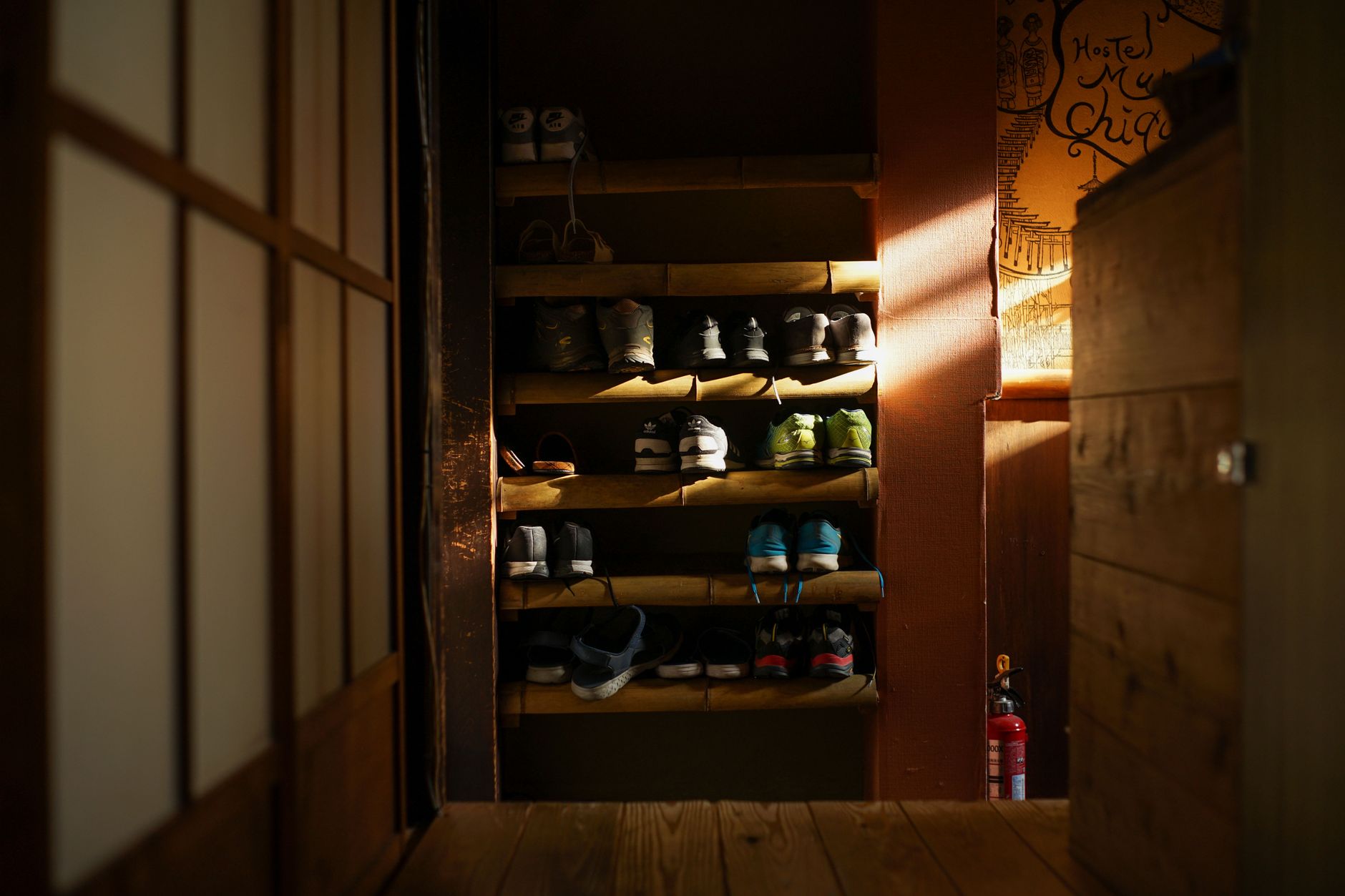
Airing shoes out and rotating pairs is genuinely worth doing, by the way. Drying the insole removes the moisture the whole process depends on, and a shoe that gets 24 hours off between wears will always smell better than one worn daily. It just does not help with the compounds already in residence.
What hypochlorous acid does that an absorber can't
Hypochlorous acid is not an exotic compound. Your own immune system makes it: neutrophils, a type of white blood cell, produce HOCl as part of their normal response. It has been used in food processing, wound care, and clinical settings for decades, and the USDA's technical evaluation report on hypochlorous acid covers its profile in food-contact use in more detail than most people will ever need.
For odor, the relevant property is simple: HOCl is an oxidizer.
Isovaleric acid and the thioalcohols are volatile — light enough to evaporate off the insole, travel through the air, and reach the receptors in your nose. That volatility is the only reason you can smell them. Oxidation converts those compounds into heavier, non-volatile products. A molecule that cannot get airborne cannot be smelled, no matter how enthusiastically it would like to be.
Which is the actual difference between HOCl and everything in the table above. Baking soda hides the compound in a cupboard. HOCl rewrites it.
A sprayed shoe should end up smelling of nothing at all — not pine, not citrus, not "fresh linen". If you are used to deodorizers that announce themselves, a neutral result can feel like the product did not work. Neutral is the result. HOCl breaks back down into salt water once it has finished reacting, so there is nothing left on the surface to scent anything.
Two practical properties matter for footwear specifically. At the household concentrations used in a spray — generally 100–200 ppm — HOCl is pH-balanced and close to skin's own range, and it has no bleaching effect on fabric. The short answer is no, and the concentration is the reason.

How to use hypochlorous acid on shoes — five steps
The whole job takes about ninety seconds of actual effort and then several hours of leaving it alone, which is our favorite ratio in any household task.
-
1
Pull the insoles out
This is the step people skip, and it is the one that decides whether this works. The majority of the odor lives in the insole foam, not in the shoe itself. Spraying a shoe with the insole still in it treats the lid and ignores the pot.
-
2
Spray both sides of each insole until visibly damp
Damp, not soaked. You want the foam surface wet enough to look darker, which is usually 8–10 pumps per side. Soaking does not oxidize anything faster; it just extends your drying time into tomorrow.
-
3
Spray inside the shoe, toe box first
The toe box is the deepest, least ventilated part of the shoe and collects the most moisture. Angle the nozzle in and give it 6–10 pumps, then a few around the heel collar and tongue lining.
-
4
Air dry fully — 4 to 6 hours, or overnight
Somewhere with airflow, insoles out and separate from the shoes. Do not use a tumble dryer, a radiator, or a hair dryer: direct heat can warp foam and lift adhesives, and you will have traded a smell for a structural problem.
-
5
Reassemble, and repeat on a schedule
Gym and running shoes: after every session, or at minimum every second one. Everyday shoes: once a week. Work boots and anything worn with thick socks for eight hours: every few days.
Damp, not drowned — and go lighter on leather and suede. HOCl itself is gentle, but water is water. On suede, nubuck, or untreated leather, mist from further back and do the inside lining only, never the outer. Test an inconspicuous spot first on anything you would be upset to ruin.
If the shoe is actually dirty, clean it first. HOCl is not a detergent and will not lift grime, grease, or stains. Wash and dry the shoe normally, then treat it. Spraying an oxidizer onto a layer of dirt mostly produces damp dirt.
The rest of the smell map: gym bags, cars, trash cans, and one surprise
The chemistry does not know it is in a shoe. Volatile sulfur compounds and short-chain fatty acids are the same compounds whether they come from feet, a forgotten tupperware, or a cat. Which means that once you own a bottle for the shoe problem, you have accidentally solved seven other ones.
| Where | How to treat it | The part people get wrong |
|---|---|---|
| Gym bag | Empty it, spray the whole interior including the seams, leave unzipped to dry | Doing it the night before your next session instead of the moment you get home. The bag spends 20 hours as an incubator either way |
| Gym clothes between washes | Light mist over the fabric, hang to air dry | Treating it as a substitute for detergent. It handles odor, not sweat salts or soil — this buys you one more wear, not five |
| Yoga mat | Light mist, wipe down with a cloth, air dry flat | Nothing, really. No residue means no slippery film, which is the usual complaint with mat sprays |
| Car interior | Mist fabric seats, carpets, and the headliner, crack the windows, leave 30 minutes | Spraying screens and glossy dashboard trim. Keep it to the soft surfaces |
| Trash can | Spray the empty can and — this is the bit — the underside of the lid, then dry before the next bag | Only doing the inside of the can. The film on the lid underside is where most of the smell is actually coming from |
| Fridge | Wipe shelves, drawers, and door seals with a sprayed cloth | Using a fragranced cleaner instead. Butter and milk will pick up any scent you leave behind; HOCl leaves none |
| Litter box | Wash the empty box, spray, let it dry completely before refilling | Spraying over used litter. Treat the box, not the contents |
| Humidifier tank | Spray the empty tank, swish, then rinse thoroughly before refilling with plain water | Running HOCl solution through the unit as mist. Don't. Clean the tank with it, rinse it out, then run water |
The gym bag is the one we would start with. A sealed nylon bag containing a damp towel is a more productive environment than the shoes ever were, and most people treat the shoes and then put them straight back into it.
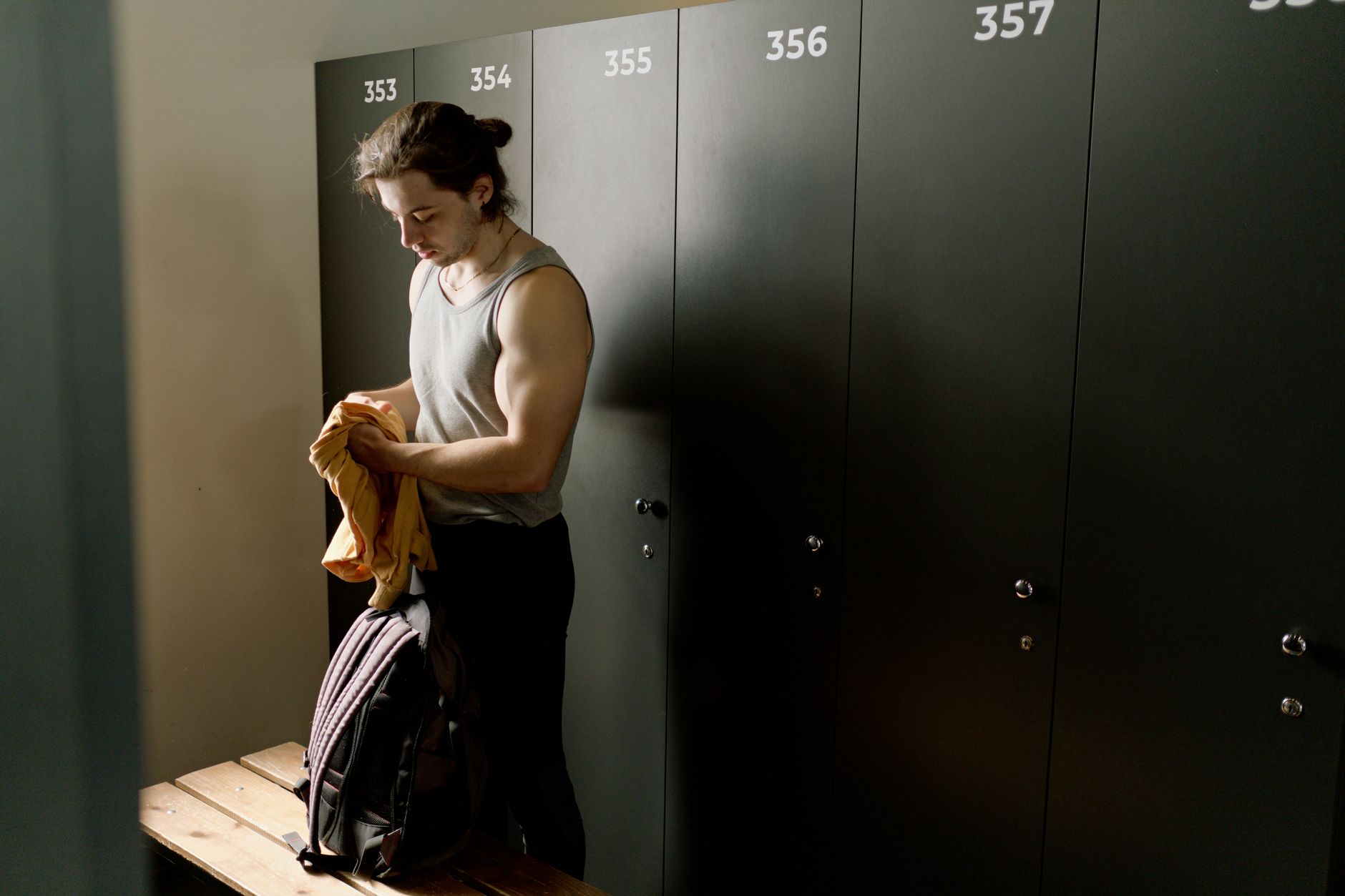
If you want the full list of surfaces beyond the odor cases, we went through it properly in our guide to what hypochlorous acid cleaner handles around the house.
What it won't do — the honest part
We would rather you knew the edges before you bought anything.
It will not rescue a shoe that is past rescuing. Insole foam has a finite service life. After a few hundred miles of sweat cycling through it, the foam has broken down and the odor is distributed through material you cannot reach from the surface. At that point you are not deodorizing a shoe, you are conducting a dig. Buy new insoles, or new shoes.
It does not address the cause. This is surface chemistry, not a treatment for anything. If your feet sweat heavily enough that this is a daily battle, that is worth a conversation with a doctor or podiatrist — excessive sweating has real clinical options, and no spray is one of them.
It is not a degreaser or a stain remover. No surfactants, so no lifting of dirt, grease, or marks. It is the step after cleaning, never instead of it.
It will not do much on an already-wet shoe. Spraying into a soaking shoe just dilutes the solution. Let it dry out first, then treat it.
And the one we are obliged to say out loud, because it is true and nobody selling a spray ever mentions it: if you have one pair of leather dress shoes that you wear to a wedding twice a year, you do not have an odor problem. You have a shoe rack and some spare time. Don't buy anything. Air them out, rotate your socks, and spend the money on something you will actually use twice a week.
This is for people with a gym habit, a running routine, work boots, teenagers, or a hallway that announces itself before you get your key in the door.
Pre-made spray vs. tablets: the cost nobody mentions
If you have decided HOCl is worth trying, there is one more thing to know, and it is a logistics problem rather than a chemistry one.
- A pre-made HOCl spray is about 99.9% water by weight. You are paying shipping on tap water, plus the bottle it came in.
- HOCl in solution degrades once exposed to light and air — typically over 3 to 6 months after opening. Past that point you are spraying salt water with good intentions.
- A gallon jug is cheaper per ounce but shares the same clock. Now you are racing a deadline you did not set.
Gentle Sen tablets exist to solve that specific problem. One tablet dissolved in 20 fl. oz. of your own water makes a fresh, full-strength solution at the moment you need it. The tablets themselves keep for 2 years sealed, because the HOCl does not activate until it hits water. No shipping water across an ocean, no stack of plastic empties under the sink, no racing degradation.
It works out to roughly 50 cents per 20 fl. oz. bottle, which for a gym-shoe habit is the cheapest part of the gym.
Makes up to 40 bottles of 20 fl. oz. solution. Enough to treat gym shoes after every session for a few months before you commit to more.
Everyday Kit — 100 tablets + mist bottle
Makes 100 bottles at under $0.50 per 20 fl. oz. The usual choice for a household running shoes, gym bags, car, and kitchen off the same tablets.
The travel bottle is the one that matters here — it lives in the gym bag, so shoes get treated at the locker instead of six hours later at home. The splitter lets you run a half tablet for lighter jobs.
Straight answers
Can you spray hypochlorous acid inside shoes?
Yes, and the inside is where it belongs. Pull the insoles out first, spray both sides of each insole until visibly damp, then spray into the shoe itself — toe box first, since that is where moisture collects. Let everything air dry for 4 to 6 hours before reassembling. There are no fumes to ventilate and nothing to rinse off.
Will hypochlorous acid bleach or stain my sneakers?
No. At the 100–200 ppm concentrations used in household HOCl sprays, there is no bleaching effect on fabric or on shoe materials — the concentration is far too low. The practical caution is water, not chemistry: on suede, nubuck, or untreated leather, mist lightly and stick to the inside lining rather than soaking the outer.
How often should you spray shoes with hypochlorous acid?
For gym or running shoes, after every session or at least every second one — treating them while the insole is still damp is more effective than waiting. For everyday shoes, once a week is plenty. For work boots worn eight hours a day in thick socks, every two or three days.
Does hypochlorous acid work on leather and suede shoes?
On the inside lining, yes. On the outer, be cautious — not because of the HOCl but because wetting suede and untreated leather can mark it regardless of what the liquid is. Mist from further back, treat the lining and the insole, and test an inconspicuous area first on anything expensive.
Is hypochlorous acid better than baking soda for shoe odor?
They work by different mechanisms, and that is the whole point. Baking soda absorbs moisture and holds odor compounds temporarily, then releases them once saturated. HOCl is an oxidizer — it alters the compounds themselves, so there is nothing stored up to come back. Baking soda is genuinely useful for drying an insole out. It was never going to remove a molecule.
Can you use hypochlorous acid on gym clothes and gym bags?
Yes to both, with one caveat on clothes. Spray the inside of an emptied gym bag and leave it unzipped to dry — that is one of the highest-value uses there is. For gym clothes, a light mist handles odor between washes, but it is not a detergent and does not replace one. Think of it as buying one extra wear, not skipping laundry day.
How long does it take for shoes to dry after spraying?
Four to six hours with the insoles out and some airflow, or simply overnight. Do not speed it up with a tumble dryer, radiator, or hair dryer — direct heat can warp foam and lift the adhesives in the shoe. If you need a faster turnaround, treat the shoes immediately after you take them off rather than right before you need them.
Does hypochlorous acid remove shoe odor permanently?
It removes the odor that is there, but your feet will keep producing sweat and the bacteria on your skin are permanent residents, so new compounds will form with wear. This is maintenance, not a one-time fix. The difference from an absorber is that each treatment actually resets you to neutral instead of deferring the problem.
The remedy list was never going to work
Every popular shoe-odor fix is built on a misunderstanding of the problem. They treat the smell as something to be absorbed, frozen, or covered — when it is a specific set of compounds sitting in your insole foam, produced by bacteria that are a normal part of healthy skin and are not going anywhere. You cannot absorb your way out of that. You can change the compounds, which is a different job and needs a different tool.
Pull the insoles, spray until damp, let it dry, repeat after the gym. Then use the rest of the bottle on the gym bag, the car, and the trash can lid, because the chemistry does not care which room it is in. And if you only own dress shoes you wear twice a year — close the tab. Your shoes are fine. The rest of us have a locker room to deal with.
Try Gentle Sen HOCl Tablets →- Ara et al., Canadian Journal of Microbiology (2006) — Foot odor due to microbial metabolism and its control
- USDA Agricultural Marketing Service — Hypochlorous Acid Technical Evaluation Report
- Scientific American — Hypochlorous Acid Is Trending in Skin Care and Cleaning, But Does It Work?
Images from the Pexels photo library under the Pexels License. This post is for informational purposes only and is not medical advice. Gentle Sen HOCl tablets are a multi-purpose cleaner and deodorizer. This product is not intended to diagnose, treat, cure, or prevent any disease. Persistent or excessive foot sweating is worth discussing with a doctor or podiatrist.
0 comments