


The most common infections you can pick up from hotel rooms are the unglamorous kind: norovirus, the common cold, and whatever's currently colonizing the TV remote. Housekeeping changes the sheets between guests. It does not, in most hotels, wipe down the remote, the light switches, the kettle, or the bedspread — and norovirus alone can survive on a hard surface for up to two weeks.
None of this is a reason to cancel the trip. It's a reason to know exactly what you're walking into, and to pack two small things that solve most of it before you've even unpacked your shoes.
The short version
Hotel rooms turn over in under 12 hours between guests, which is enough time to change the sheets and empty the trash, but not enough to address every surface. The TV remote, light switches, phone, and bedspread are the biggest offenders. Norovirus, staph, E. coli, and cold and flu viruses are the infections most commonly linked to hotel stays. Bed bugs are a separate problem entirely and need a room change, not a wipe-down. A pocket-sized hypochlorous acid mist handles the surface side of this without any of the "3-1-1 liquid limit" stress at airport security, since Gentle Sen travels as dry tablets and mixes fresh at your destination.
In this guide
What You're Actually Catching
Investigations into hotel hygiene have turned up a fairly consistent list of ten infections tied to hotel stays: common cold viruses, influenza, rotavirus, norovirus, E. coli, hepatitis A, staph (including MRSA), strep, and Haemophilus influenzae. None of these care that you're on vacation.
Most of them travel the same two routes: hand-to-surface contact (door handles, elevator buttons, remotes) and respiratory droplets from previous occupants or fellow guests. Staph and MRSA specifically show up on phones and remotes, and can cause skin infections if they reach a cut or a scrape. E. coli points to bathroom surfaces that got a quick wipe instead of a real clean.
Related: Our deep dive into hypochlorous acid and norovirus, specifically
The Germiest Spots in Any Hotel Room

Microbiologists who've swabbed hotel rooms keep landing on the same short list, roughly in order of how bad you'll feel finding out about it:
The TV remote. Handled by every previous guest, cleaned by almost nobody. It's consistently one of the highest bacterial counts in the room.
Light switches and the bedside lamp. Touched constantly, dusted rarely.
The phone. Sits close to your face for calls, gets wiped never.
The kettle and coffee maker. Filled with water, rarely descaled or deep-cleaned between stays.
The bedspread. Sheets get swapped. The bedspread on top of them often doesn't — some hotels launder it weekly at best.
Elevator buttons and door handles. The first things you touch before you've even reached the room, and the last things you touch on the way to breakfast.
None of this is a reason to sleep in the hallway. It's just useful to know before you drop your phone face-down on the nightstand out of habit.
Why Turnover Cleaning Doesn't Fix This
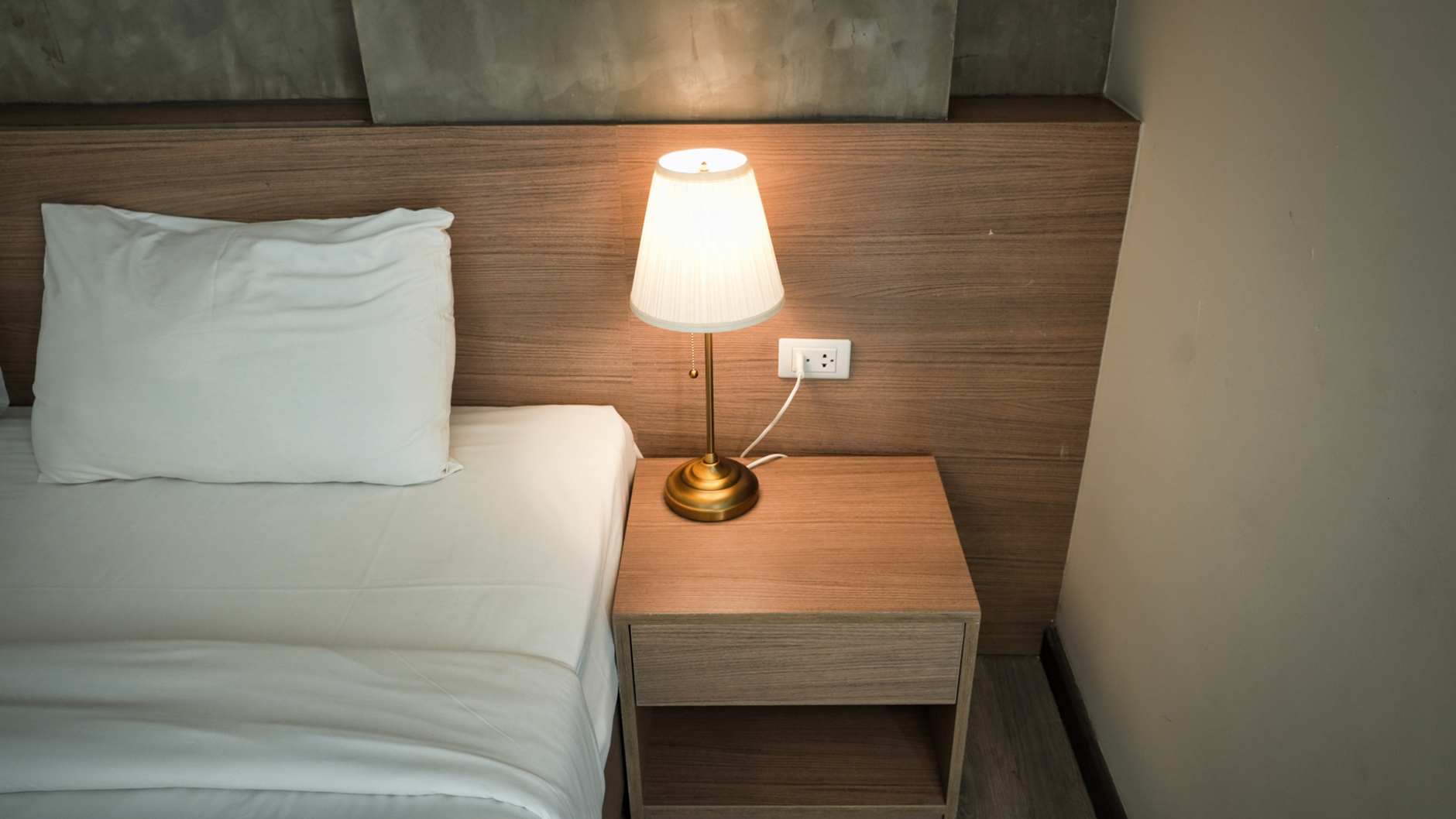
The typical gap between a guest checking out and the next one checking in is under 12 hours — often closer to two or three, if the hotel is busy. That's enough time to strip the bed, run a vacuum, and restock the minibar. It is not enough time to deep-clean every surface a housekeeper didn't grow up thinking of as "dirty," which is exactly why the remote and the lamp keep testing worse than the toilet seat.
Norovirus can persist on hard surfaces for up to two weeks, according to health researchers who've tracked its survival rate. A standard wipe-down with an all-purpose cleaner doesn't reliably touch that. Housekeeping is optimizing for "looks clean," not "microbiologically clean," and those are different jobs with different timelines.
Price doesn't fix this either. A higher room rate buys you a nicer view, not necessarily a cleaner remote — room turnover costs are the same math whether you're paying $89 or $890 a night.
Bed Bugs Are a Different Problem Entirely
Bed bugs aren't on the infection list above, and that's worth separating out clearly. They're not typically linked to disease transmission — they're a bite-and-itch problem, not a pathogen problem. But a scratched bite can get infected on its own, and bed bugs are excellent at hiding in mattress seams, headboards, and luggage racks, riding home in a suitcase if you're not looking.
When this isn't a spray-bottle problem. If you find bed bugs — small reddish-brown insects, dark spotting on the mattress seams, or bites in a line when you wake up — that's a room change or a different hotel, not a surface routine. A travel mist handles surface bacteria on high-touch spots. It will not evict bed bugs. Different pest, different plan, and bed bugs do not care about your loyalty program status.
How to Travel Prepared Without Overpacking
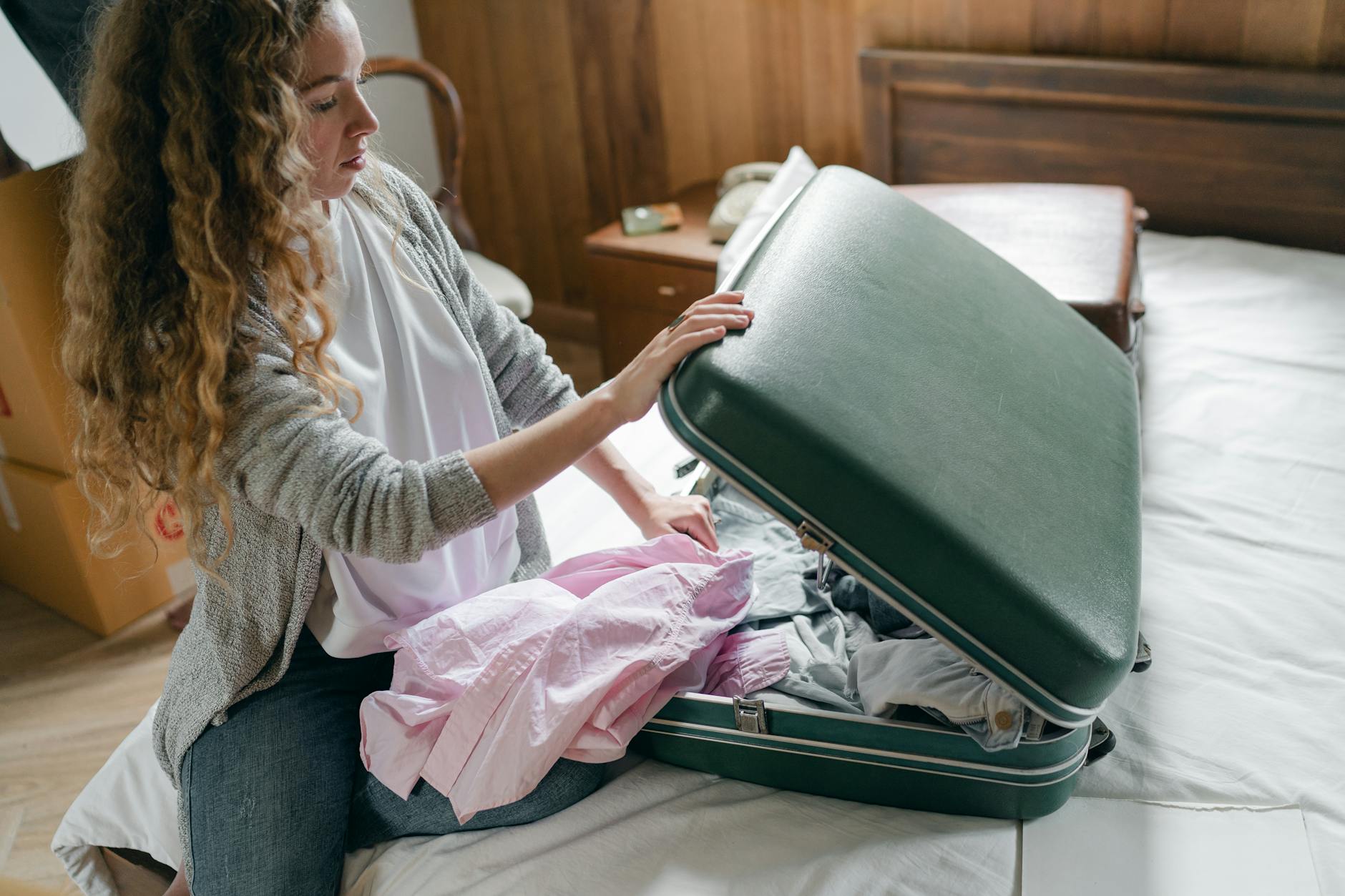
The routine that actually matters takes about three minutes on arrival, before the suitcase is even unzipped.
-
Mist the high-touch surfaces first.
Remote, light switches, phone, faucet handles, the desk. Let it sit for 30–60 seconds and air dry — no wiping needed. -
Pull the bedspread off entirely.
Fold it into the closet. Sleep under the sheets and blanket underneath, which get changed far more often. -
Mist hands after elevators, lobbies, and door handles.
A quick mist and air-dry before you touch your face or a snack works better than remembering to wash every single time. -
Check the mattress seams once.
Thirty seconds, before you unpack. If anything looks off, see the bed bug section above and ask the front desk for a different room.
What We Pack for Every Trip — Gentle Sen
We built Gentle Sen tablets because our own family travels enough that a pre-made spray bottle either ran dry mid-trip or sat unused so long it lost potency before we even opened it. A tablet dissolved in 20 fl. oz. of water at your destination gives you a fresh, skin-safe, pH-balanced HOCl mist — made on arrival, not shipped across the country as mostly water.
For travel specifically, the Complete Kit is the one we actually pack: a dedicated travel bottle sized for a carry-on, plus a mist bottle for the room and a tablet splitter if you want a lighter mix for hands versus a stronger one for surfaces. Drop a tablet in at the hotel sink and you've got a full bottle in about two minutes — no bag check drama, no half-used bottle from three trips ago.
Enough for a few trips' worth of hotel-room misting, plus everyday use at home in between.
Everyday Kit — 100 tablets + mist bottle
The everyday size for households that travel often and want a steady supply without reordering every month.
Complete Kit — 100 tablets + mist bottle + travel bottle + tablet splitter + eco cloth
The dedicated travel bottle is sized for a carry-on and refills from tablets you already packed — no liquid limit to worry about at security.
Frequently Asked Questions
What are the most common infections you can get from hotel rooms?
Investigations into hotel hygiene consistently point to the same cluster: common cold viruses, influenza, rotavirus, norovirus, E. coli, hepatitis A, staph (including MRSA), and strep. Most spread through hand-to-surface contact or respiratory droplets rather than anything unique to hotels specifically.
What is the dirtiest thing in a hotel room?
The TV remote consistently tests as one of the highest bacterial-count surfaces in hotel rooms, followed by light switches, the phone, and the bedspread. Bathrooms, ironically, tend to get cleaned more thoroughly than these overlooked high-touch items.
Can you actually get sick from staying in a hotel?
Yes, though it's not guaranteed or even common on any single stay. The risk comes from surfaces that turnover cleaning doesn't reach in depth — remotes, lamps, kettles — combined with short gaps between guests, often under 12 hours.
How long can norovirus survive on hotel surfaces?
Norovirus can persist on hard surfaces for up to two weeks, which is part of why it's one of the most commonly cited illnesses linked to hotel stays and cruise ships alike. Standard wipe-downs don't reliably address it.
Do bed bugs count as a hotel infection risk?
Bed bugs themselves aren't typically linked to disease transmission — the concern is itchy bites that can become infected if scratched. They're a pest problem, not a surface-cleaning problem, so finding them means requesting a different room rather than reaching for a spray bottle.
What should I pack to protect myself when traveling?
A way to address high-touch surfaces on arrival — remote, light switches, phone, faucet handles — covers most of the risk. Liquid sprays run into TSA's 3-1-1 limit fast, which is why a tablet-based system that mixes fresh at your destination is worth packing instead of a pre-filled bottle.
Does housekeeping actually clean hotel rooms between every guest?
Sheets and towels, yes, reliably. Remotes, lamps, kettles, and bedspreads, inconsistently — turnover windows are often under 12 hours, which is enough time for the visible cleaning but not necessarily a deep surface routine.
Is a higher-rated or more expensive hotel automatically cleaner?
Not necessarily. Room turnover economics are similar across price points, and several investigations have found high-touch surface contamination in upscale properties as well as budget ones. Price buys amenities, not a guaranteed deep clean of the remote.
Pack for it, don't panic about it
Hotel rooms aren't uniquely dangerous. They're just cleaned on a schedule built for visible dirt, not for the remote you're about to pick up with the same hand you'll eat lunch with. A three-minute arrival routine handles most of it.
Our Complete Kit is built around exactly that — a travel bottle that clears airport security dry, tablets that mix fresh at the hotel sink, and enough left over for the trip home.
Shop Gentle Sen Travel Kits- CDC — Norovirus Outbreak Basics
- Cleveland Clinic — How Long Norovirus Lives on Surfaces
- MedicineNet — Is Your Hotel Making You Sick?
Images from Pexels photo library under the Pexels License. This post is for informational purposes only and is not medical advice. Gentle Sen HOCl tablets are a multi-purpose cleaner and deodorizer. This product is not intended to diagnose, treat, cure, or prevent any disease. Consult a healthcare professional for medical concerns, and contact hotel management directly for pest issues such as bed bugs.
0 comments