


Homemade laundry detergent works. The cost per load comes out to roughly $0.04 — compared to around $0.20 for most commercial powders. The ingredients fit in a single grocery bag. A batch large enough for six months of washing takes under 20 minutes to make. That's not a sales pitch. That's just math.
There are two reasons people switch: cost and ingredient transparency. Both hold up. If you'd rather not buy a box of synthetic fragrance, optical brighteners, and whatever "fresh ocean breeze" is supposed to mean, making your own gives you full control over what goes into the wash — and by extension, onto your clothes and your family's skin.
Below are two tested recipes — powder (10 minutes, stores indefinitely) and liquid (more effort, better for front-loaders on cold cycles) — plus the honest rundown on where homemade detergent falls short. It does fall short in a couple of specific situations, and we'd rather tell you now.
The short version
Homemade laundry detergent is inexpensive, ingredient-transparent, and gentler on sensitive skin than most commercial formulas. The powder version — washing soda, borax, grated bar soap — takes 10 minutes and costs about $0.04 per load. The liquid version rinses more thoroughly in front-load HE machines on cold cycles. Neither version will outperform commercial enzyme-based detergent on heavily set grease or protein stains. That's the one tradeoff.
In this guide
Why people make their own laundry detergent
The math is the most obvious reason. A batch covering around 500 loads costs roughly $20 in ingredients. The same number of loads from a name-brand commercial detergent runs $60–$100 depending on what's on sale. That gap — roughly $0.04 versus $0.15–$0.20 per load — adds up to several hundred dollars a year for a household doing five to seven loads a week.
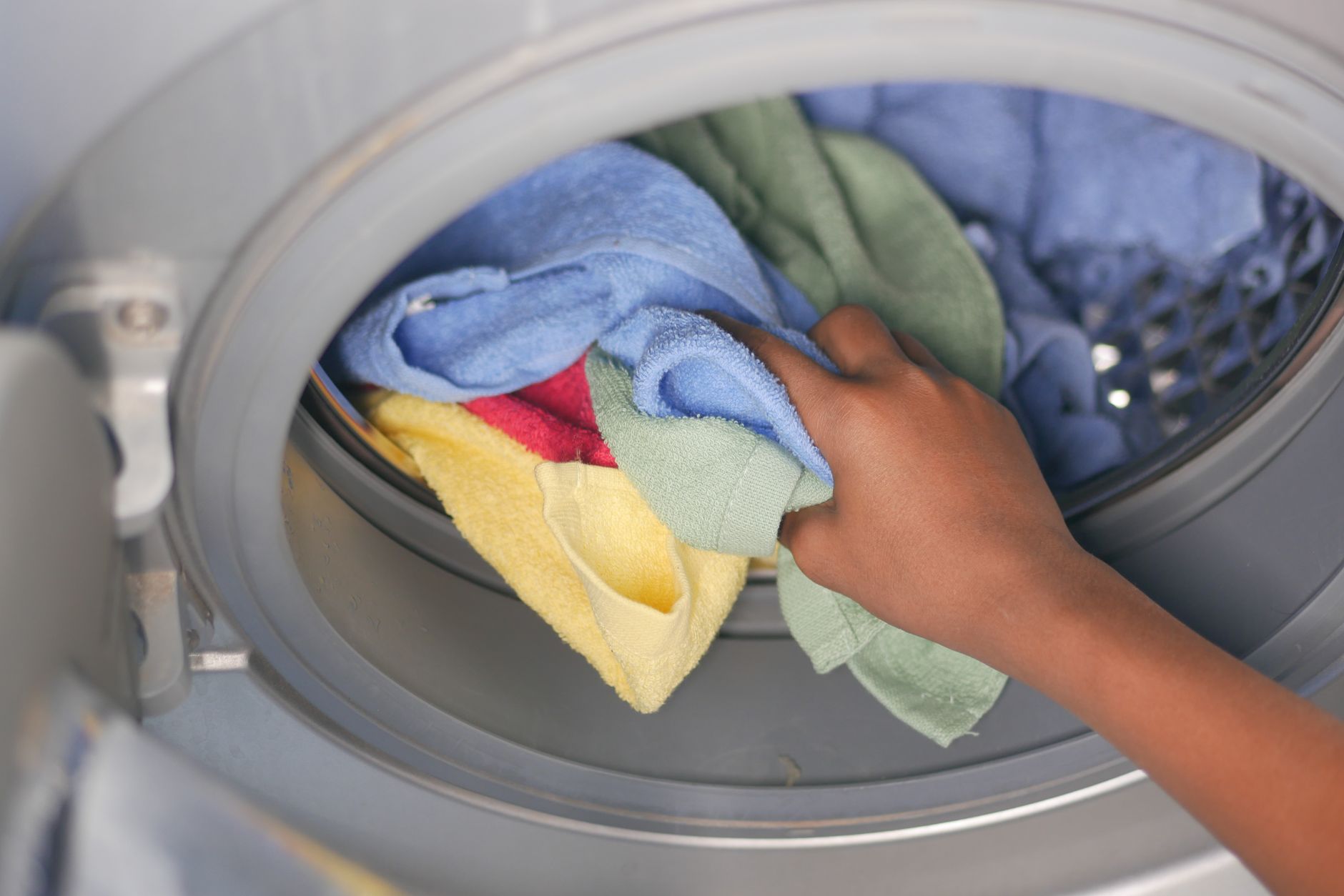
The second reason is ingredient control. Commercial laundry detergents typically contain synthetic fragrances (proprietary blends — manufacturers aren't required to disclose what's in them), optical brighteners, surfactants, and preservatives. For households with sensitive skin, eczema, or anyone who reacts to synthetic fragrance, that ingredient list reads more like a challenge than a shopping list.
When you make your own, you know every ingredient by name. Washing soda. Borax. Bar soap. That's the whole list for the powder version. You can leave out the borax. You can swap the soap. You're making it, so you decide what goes in.
The tradeoff is effort — and one slightly alarming phase of the liquid recipe where the jar appears to have had second thoughts about the whole thing and turned gelatinous. That's normal. We'll cover it.
The ingredients — what you actually need
Both recipes use the same core ingredients. You can find all of them in the laundry aisle at most grocery stores, at hardware stores, or online.
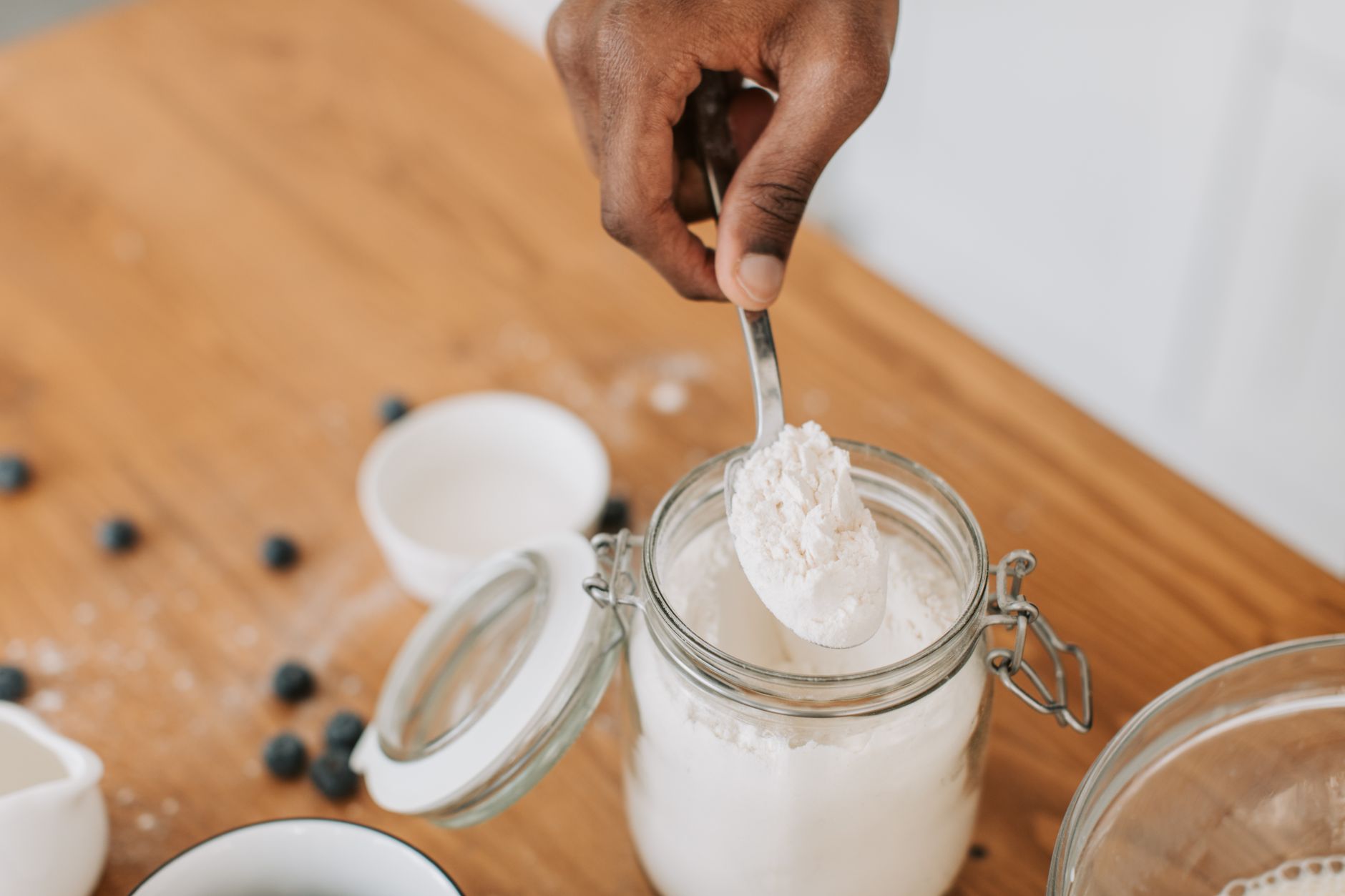
Washing soda (sodium carbonate)
The workhorse. Washing soda raises the pH of wash water, which loosens dirt and cuts through grease. It also softens hard water by binding to calcium and magnesium ions — so the soap can actually clean instead of spending its energy fighting minerals.
Important: washing soda and baking soda are not interchangeable. They look identical in a bag. Baking soda is sodium bicarbonate (pH ~8.3). Washing soda is sodium carbonate (pH ~11). Confusing the two gives you a recipe that quietly underperforms — which is somehow more disappointing than one that fails loudly.
Borax (sodium borate)
Borax boosts cleaning performance, helps neutralize odors, and lifts some stains that soap alone won't move. It's been a laundry ingredient for over a century.
Some households prefer to skip it — usually because of young children or skin sensitivity concerns. You can absolutely make effective detergent without borax. For lightly soiled everyday loads it cleans well; on heavily soiled items it's noticeably less powerful. The borax-free version uses an extra half-cup of washing soda in its place.
Bar soap — grated
The soap binds to dirt and oil so the washing soda can rinse it away. Fels-Naptha is the traditional choice — it's a laundry bar soap designed for exactly this use. Zote (a pink Mexican laundry soap) works well too. For a natural option, an unscented castile bar such as Dr. Bronner's Baby Unscented is effective and gentle on reactive skin.
For the liquid recipe you can use liquid castile soap instead — no grating required.
Essential oils (optional)
If you want fragrance without synthetic additives, 20–30 drops of lavender, tea tree, or lemon essential oil per batch is the standard amount. Skip these entirely for washing anything worn against sensitive or reactive skin.
Powder recipe — the 10-minute version
The faster, longer-lasting option. It stores without issue for 12 months or more, takes about 10 minutes to make, and works in both standard top-loaders and front-load HE machines. Use 2 tablespoons per load — or 1 tablespoon for lightly soiled loads in HE machines.

What you'll need (makes ~72 loads):
- 2 cups washing soda
- 1 cup borax — or an extra ½ cup washing soda for a borax-free batch
- 1 bar laundry soap, finely grated (roughly 1 cup grated)
- 20–30 drops essential oil (optional)
-
Grate the bar soap. A standard box grater works well. The finer the grate, the better it dissolves — aim for roughly the texture of grated parmesan. A food processor on pulse is faster if you have one.
-
Combine all dry ingredients in a large bowl. Washing soda, borax, and grated soap. Mix thoroughly until evenly distributed — every scoop should have a consistent ratio of each ingredient.
-
Add essential oils if using. Drop them directly into the mixture and stir to distribute. They absorb into the powder within a few minutes.
-
Transfer to an airtight container. A glass jar with a lid, a sealed bucket, or a repurposed detergent tub all work. Keep it away from steam and humidity — moisture causes clumping.
-
Use 2 tablespoons per load. For front-load HE machines, add directly to the drum rather than the detergent drawer. For lightly soiled loads in HE machines, 1 tablespoon is enough — these drums use less water, and the formula is concentrated.
Liquid recipe — for front-loaders and sensitive skin
The liquid version dissolves more readily in cold water and rinses more cleanly from fabrics. That makes it a better choice for front-load HE machines running cold-water cycles. It takes about 30–40 minutes to make and another 24 hours to set fully. The tradeoff: it will gel. This is not a problem. This is what it's supposed to do.
What you'll need (makes ~80–90 loads):
- 1 cup liquid castile soap, unscented
- 1 cup washing soda
- ½ cup borax — optional, skip for borax-free
- 8 cups hot water, plus 6 additional cups of room-temperature water
- 20–30 drops essential oil (optional)
-
Bring 8 cups of water to just below a boil. Hot enough to dissolve the powders. Not necessary to get it furiously boiling.
-
Add washing soda and borax. Stir continuously for 3–4 minutes until both are fully dissolved. Don't rush this step. Undissolved powder sinks to the bottom and sets into gritty clumps that are much harder to deal with later.
-
Remove from heat and stir in the castile soap. Stir gently — aggressive stirring creates foam that makes it harder to gauge consistency.
-
Add the remaining 6 cups of room-temperature water. Stir to combine. Add essential oils now if using.
-
Pour into a container and leave it for 24 hours. It will gel. It may look separated. That's both normal and fine. After 24 hours, stir or shake vigorously until it reaches an even, slightly gel-like consistency. If it remains lumpy, break it up with an immersion blender.
-
Use ¼ cup per load. Shake or stir before each use — the mixture settles between washes. A pump dispenser makes this easy.
Is homemade laundry detergent safe for HE washers?
Yes — with a couple of adjustments.
HE (high-efficiency) machines use significantly less water than standard top-loaders. Any soap that produces a lot of suds doesn't rinse out fully, which leads to residue buildup on fabrics, musty drum odors, and occasionally an error code on the machine.
Homemade detergent actually produces far fewer suds than commercial formulas — which works in its favor for HE use. The main adjustments:
- Use 1 tablespoon of powder per load (not 2)
- Use ⅛–¼ cup of liquid per load
- Add directly to the drum — not the detergent drawer
- Run a hot-water maintenance cycle with plain washing soda every 1–2 months to clear any mineral buildup
Switching because of sensitive skin?
If the reason you're making your own detergent is fragrance sensitivity or reactive skin, Gentle Sen HOCl tablets dissolved in water work well as a rinse-cycle add-on. A diluted HOCl solution is fragrance-free, pH-balanced, and non-toxic — add it to the fabric softener compartment or directly to the drum during the rinse cycle to help neutralize odors and support a cleaner rinse. No perfume, no bleach, no residue on fabrics. We started Gentle Sen because our son went through Topical Steroid Withdrawal and severe eczema — we understand the laundry routine becoming one more thing to worry about.
When homemade detergent doesn't cut it
Homemade detergent handles everyday laundry well — body soil, light food stains, regular wear and odor. There are four situations where it runs into limits:

Storage and shelf life — what to expect
The powder version has effectively indefinite shelf life if stored correctly. The enemy is moisture. Humidity causes washing soda to clump and grated soap to stick together. An airtight container in a cool cupboard away from the laundry room's steam is the right setup. A silica gel packet inside the container helps in humid climates. If it clumps, stir or break it up with a spoon — it's still good.
The liquid version is more perishable. It contains no preservatives. Stored in a sealed container at room temperature, it typically lasts 3–6 months before the soap base begins to degrade. Give it a smell before using if it's been sitting for a while. If it smells off, it's gone off. Discard and make a fresh batch.
For most households, the powder recipe is the practical default — it's faster, stores longer, and less fussy. The liquid recipe earns its extra effort if you have a front-load HE machine running cold cycles and want maximum rinse performance.
Straight answers (FAQ)
Is homemade laundry detergent safe for HE washers?
Yes. Homemade detergent produces far fewer suds than commercial formulas, which makes it well-suited to HE machines. Use roughly half the volume you'd use in a standard machine — 1 tablespoon of powder or ⅛–¼ cup of liquid per load. Add directly to the drum rather than the detergent drawer to avoid clogging.
Why did my homemade laundry detergent gel or clump?
The liquid version gels as it cools after mixing — that's completely normal and not a sign of a failed batch. Give it a vigorous stir or shake before use, and it will return to a workable consistency. The powder version clumps due to humidity. Keep it in a sealed, dry container and break up clumps with a spoon when needed. A silica gel packet inside the container prevents this in humid environments.
Is borax safe to use in laundry detergent?
Borax (sodium borate) has been used in household cleaning for more than a century. At the concentrations used in laundry detergent — and after rinsing through a full wash cycle — it's considered safe for general household use by most regulatory bodies. In raw powder form it's a mild irritant: don't inhale it when mixing, keep it away from young children and pets. If you'd prefer to skip it, substitute an extra ½ cup of washing soda — the detergent will clean slightly less powerfully on stains but works well for regular loads.
Does homemade laundry detergent actually clean as well as commercial brands?
For everyday loads — body soil, light food stains, and regular odors — yes. For heavily soiled items, grease stains, or set-in protein stains, commercial enzyme-based detergents have a genuine advantage. Enzyme blends (protease, lipase, amylase) break down proteins, fats, and starches in ways that a washing soda and soap formula doesn't match. Pre-treat problem stains and the homemade detergent handles the rest of the load well.
Is homemade laundry detergent better for sensitive skin?
Generally, yes — because you control every ingredient. Commercial detergents often contain synthetic fragrances (proprietary blends that don't require full ingredient disclosure), optical brighteners, enzymes, and preservatives, all of which are common skin irritants. A fragrance-free, borax-free recipe using unscented castile soap and washing soda gives you a short, known ingredient list. For households with eczema, TSW, or reactive skin, that ingredient transparency is often the deciding reason for switching.
How much does homemade laundry detergent cost per load?
The powder version works out to roughly $0.04–$0.06 per load depending on ingredient prices in your area. That compares to approximately $0.12–$0.20 per load for most commercial detergents. A single batch covering 72–100 loads costs $15–$20 in ingredients. Over a year of 5–7 loads per week, the savings typically run $100–$200 compared to commercial detergent.
Can I use homemade laundry detergent on delicate fabrics?
Not recommended for repeated use. Washing soda has a pH around 11, which is too alkaline for silk, wool, and some rayon blends over time. It can weaken fibers and alter texture. For anything labeled delicate, hand-wash only, or dry-clean recommended, use a pH-neutral gentle detergent. The homemade formula is best suited to cotton, linen, and most synthetic performance fabrics.
How long does homemade laundry detergent last?
The powder version lasts indefinitely if stored sealed and dry — most households make a batch that covers 3–6 months without any quality loss. The liquid version lasts 3–6 months at room temperature before the soap base begins to degrade. If it develops an off smell before that window, discard it and mix a fresh batch. The powder recipe is the more practical long-term option for most households.
The honest summary
Homemade laundry detergent is worth making if you care about one or more of: lower cost, ingredient transparency, or cutting synthetic fragrance out of your wash routine. The powder version takes 10 minutes and handles the vast majority of regular household laundry for a fraction of what you'd pay for commercial detergent.
It won't replace an enzyme-based detergent for seriously soiled loads — and we'd rather say that upfront than have you blame the recipe when your mechanic's coveralls come out looking unconvinced.
For households managing skin sensitivities, pairing a non-toxic, fragrance-free washing routine with a Gentle Sen HOCl rinse-cycle addition covers the full wash-to-finish without synthetic additives.
Laundry day: still nobody's favorite. At least now you made the detergent yourself — and that earns a solid 20 minutes of righteous self-satisfaction. We fully endorse this.
Sources and further reading
- EPA Safer Choice: Safer Ingredients — U.S. Environmental Protection Agency guidance on cleaning product ingredient safety.
- EWG Guide to Healthy Cleaning — Environmental Working Group's database of cleaning product ingredient safety ratings.
- Sodium Carbonate — ScienceDirect Chemistry Reference — Overview of sodium carbonate chemistry and its role as a cleaning agent.
This post is for informational purposes only and is not medical or dermatological advice. Gentle Sen tablets are a multi-purpose cleaner and have not been evaluated by the FDA. For skin concerns, consult a qualified healthcare provider.
0 comments