


Your kitchen sponge is probably the dirtiest item in your home. We say that not for drama but because the research backs it up: after two weeks of regular use, a kitchen sponge stored wet can harbor up to 500,000 colony-forming units of bacteria per milliliter, according to USDA Agricultural Research Service findings. That's the thing you use to wash your coffee mug every morning.
The short answer on cleaning sponges: clean them every two to three uses, use one of the methods ranked below (not all methods are equal), and replace them every one to two weeks regardless of how they look. The smell test isn't reliable — by the time you can smell it, it's already a week past where it should be.
This guide covers five cleaning methods in order of effectiveness, the storage habit that matters more than most people realize, and the signs that no cleaning technique will save a sponge that's simply done.
Clean your kitchen sponge every two to three uses using the microwave or dishwasher method. Store it somewhere it can dry fully between uses — that step alone cuts bacterial regrowth dramatically. Replace it every one to two weeks. If it smells despite being recently cleaned, replace it today, not after one more rinse.
Why Your Kitchen Sponge Is Dirtier Than It Looks
Kitchen sponges are structurally excellent at trapping food particles in the gaps of their foam cells. The same physical property that makes them good at absorbing soap and scrubbing dishes makes them good at holding onto everything else — food residue, grease, raw-protein traces from the cutting board. The particles sit in warm, moist foam between uses.
Bacteria thrive in exactly that environment. A sponge that stays wet between washes can recolonize with bacteria within hours of being cleaned — which is why cleaning frequency matters more than most people expect. You can't clean a sponge once a week and expect it to behave like a once-a-week problem.
The odor that develops in older sponges is a separate but related signal. That smell comes from decomposing food matter embedded deeper in the foam — and at that point, no cleaning method will fully reverse it. That's the point where you replace, not clean.
How Often You Should Actually Clean It
Every two to three uses. After any contact with raw meat or fish: clean it before the next use, not after. If you're also using the sponge for wiping down counters between dish sessions, treat that as additional use and factor it in.
Most households clean their kitchen sponge roughly once a week. That's three to five cleaning cycles behind where it should be. The bacteria aren't pacing themselves to match your schedule.
A practical trigger: if you've completed three full rounds of dishes since the last clean, that's already one too many. Keep one of the quick methods (microwave, dishwasher) part of your existing kitchen routine so it doesn't require a separate decision each time.
Five Methods for Cleaning a Kitchen Sponge
Not all cleaning methods remove the same amount of bacteria. Here they are in rough order of effectiveness, with the caveats each one comes with.
-
Microwave method — Dampen the sponge thoroughly before putting it in. A dry sponge in a microwave is a fire risk, not a cleaning technique. Microwave on high for two full minutes. Let it cool completely before handling — it will be hot enough to correct you if you don't. According to USDA Agricultural Research Service data, this method reduces bacteria by more than 99.9%. Two minutes, every couple of days: that's the standard.
-
Dishwasher method — Run the sponge through a full dishwasher cycle that reaches at least 155°F with a heated dry cycle. If you already run the dishwasher daily, this adds nothing to your routine and achieves results comparable to the microwave. Works best when it becomes a habit, not an event.
-
Bleach soak — Mix ¾ cup of bleach into one gallon of water. Submerge the sponge for at least five minutes, then rinse thoroughly. Effective, but it leaves a chemical residue that requires thorough rinsing before the sponge goes near food-contact surfaces again. The smell also lingers, which is a fair warning that something strong was involved.
-
Vinegar soak — Submerge in full-strength white vinegar for five minutes. Less effective than the microwave or bleach soak — vinegar reduces bacterial load but doesn't match either of those methods on total removal. It is, however, fragrance-free, leaves no chemical residue, and works as a daily maintenance option between deeper cleans. Good for the households that want to avoid bleach near the kitchen.
-
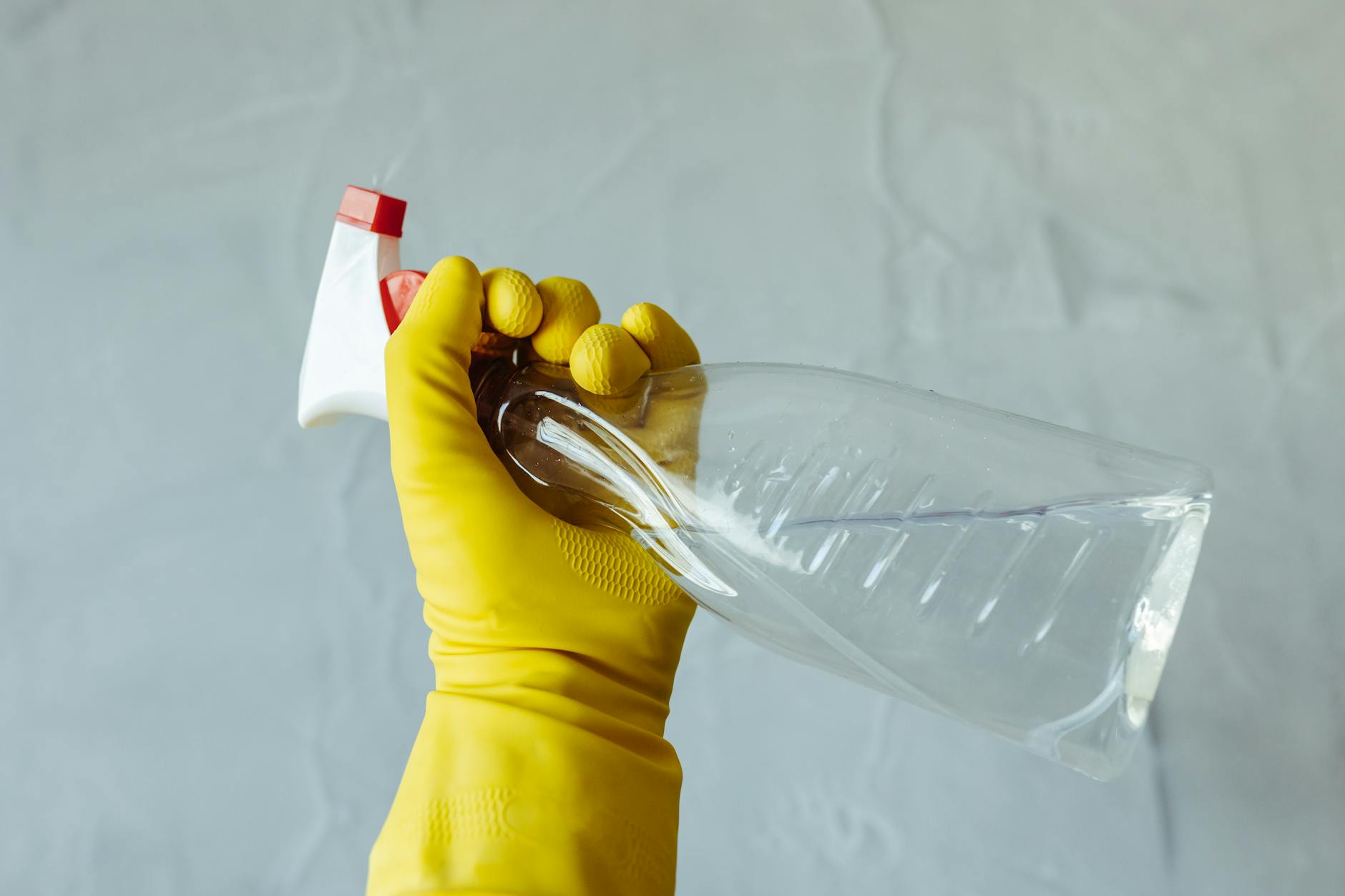
HOCl spray — Hypochlorous acid (HOCl) is the compound your immune cells produce to respond to pathogens. At household concentrations, it's non-toxic, fragrance-free, and leaves no chemical residue on surfaces. Spraying a freshly wrung sponge with an HOCl solution after each use and letting it air dry is a practical daily maintenance habit — one that most cleaning guides don't mention. It won't replace a weekly microwave or dishwasher cycle, but it keeps the sponge in better shape between those deeper sessions.

Storage Is the Step Most Guides Skip
Here's what the research actually shows about storage: sponges left sitting wet in or near the sink — in a pool of standing water — contained roughly 25,000 times more bacteria than sponges wrung out fully and allowed to air dry. That's from America's Test Kitchen research that ran controlled comparisons over two weeks of use. Not a marginal difference.
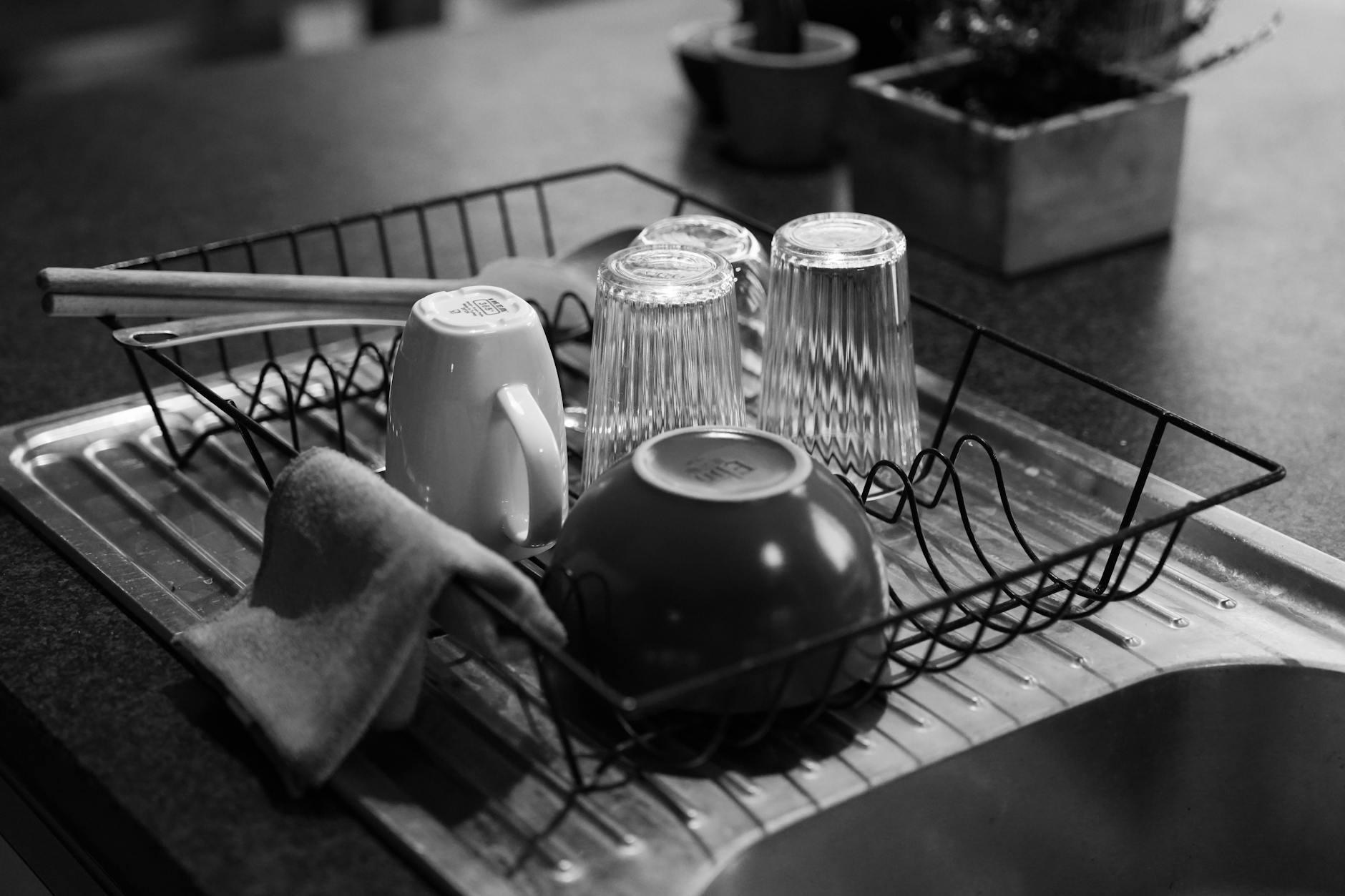
Bacteria recolonize a cleaned sponge within hours when it stays wet. A sponge that's wrung out fully and stored where air can reach all sides — a caddy with drainage holes, a wire holder at the sink edge, a small hook — has a dramatically different profile by the next morning.
The method matters. The storage matters more. You can microwave a sponge every two days and still end up with a problem if it spends the other 23 hours sitting in water.
(If your sponge holder is also full of water, you have not solved the problem. You have given the bacteria a pool with room service. Clean the holder too.)
When to Replace It Rather Than Clean It
No cleaning method rescues a sponge that's past its useful life. Here are the signs it's time to replace, not clean:
- It smells even immediately after a microwave cycle or bleach soak
- The foam is visibly degrading, shedding, or has changed shape
- It's been in use for more than two weeks
- You can't remember when you started using it
Replace every one to two weeks — regardless of how it looks. A sponge that smells despite being cleaned recently has foam that's breaking down; the odor is coming from decomposing material embedded deeper than surface cleaning reaches. Cleaning it again won't help. Some people write the date on the sponge with a marker when they start a new one. It looks a little eccentric. It works.
A non-toxic daily maintenance option
If you want a fragrance-free, residue-free way to keep your sponge fresher between weekly deep cleans, Gentle Sen HOCl tablets dissolve in water to make a fresh hypochlorous acid solution on demand. One tablet in 20 fl. oz. of water. Spray it on the sponge after each use, wring it out fully, and let it air dry. Non-toxic, pH-balanced, and safe around food contact surfaces — no fumes, no bleach smell, no residue.
Frequently Asked Questions
How do you clean a kitchen sponge in the microwave?
Dampen the sponge thoroughly before putting it in — a dry sponge in a microwave is a fire risk. Microwave on high for two full minutes. Let it cool completely before handling. According to USDA Agricultural Research Service research, this method removes more than 99.9% of bacteria and is the most effective quick-clean option available at home. Note: do not microwave sponges that have metallic scrubbing pads.
How often should you replace a kitchen sponge?
Every one to two weeks, regardless of how the sponge looks or whether you've been cleaning it regularly. Bacteria can recolonize a cleaned sponge within hours, and after two weeks the foam itself starts to degrade in ways that make cleaning less effective. If the sponge smells despite being recently cleaned, replace it now rather than running it through another cycle.
Does soaking a sponge in vinegar actually work?
Partially. Submerging in full-strength white vinegar for five minutes reduces bacterial load and helps with odor control. It's less effective than the microwave or dishwasher method in terms of how much bacteria it removes, but it's fragrance-free and leaves no chemical residue — which makes it a reasonable daily maintenance option for households that want to keep bleach out of the kitchen. It should supplement a weekly deeper clean rather than replace it.
Why does my sponge smell even after I clean it?
A persistent smell after a microwave cycle or bleach soak usually means the foam itself is breaking down. Decomposing food matter becomes embedded deeper than surface cleaning can reach, and at that stage, no method will fully remove the odor. Replace the sponge. A smell that returns quickly after cleaning is a reliable indicator that the sponge has reached end of life.
Can you microwave a sponge with metallic scrubbing pads?
No. Metallic components — steel wool scrubbers, copper mesh pads — should never go in the microwave. Use the dishwasher method (155°F+ with heated dry) or a bleach soak for sponges with metallic elements. For sponges without any metal, the microwave is the most effective option.
What is the best way to dry a sponge between uses?
Wring it out completely after every use and store it where air can reach all sides — a sponge caddy with drainage holes, a wire holder at the edge of the sink, or a small hook all work. Research from America's Test Kitchen found that properly air-dried sponges had roughly 25,000 times fewer bacteria than sponges left sitting in standing water. That gap is larger than any difference between cleaning methods.
Is HOCl spray safe to use on a kitchen sponge?
Yes. Hypochlorous acid (HOCl) is non-toxic, fragrance-free, and pH-balanced, making it safe for use on surfaces and tools that come into contact with food. Spraying a wrung-out sponge with HOCl solution after each use and letting it air dry is a practical daily maintenance habit that keeps odor down between weekly deep cleans. It works best alongside — not instead of — a regular microwave or dishwasher cycle.
How do you get rid of the smell in a kitchen sponge?
For mild odor that's just starting: try the microwave method (two minutes, fully dampened) or a five-minute vinegar soak. For persistent odor that returns after cleaning: the sponge needs to be replaced, not cleaned again. A smell that comes back within a day or two of cleaning is a sign the foam has degraded past the point where any method helps.
The Bottom Line on Cleaning Sponges
Cleaning sponges isn't complicated — the gap between knowing and doing it correctly is mostly frequency. Every two to three uses, microwave or dishwasher. Wring it out fully after each use and store it somewhere it can actually dry. Replace every one to two weeks without negotiating. If it smells, that's the sponge telling you the answer is already decided.
For households that want a non-toxic daily maintenance option between deep cleans, Gentle Sen HOCl tablets make a fresh solution on demand — no fumes, no residue, safe around food surfaces. The sponge still needs the microwave once a week. But the days in between don't have to be guesswork.
- USDA Agricultural Research Service — Best Ways to Clean Kitchen Sponges
- America's Test Kitchen — How to Clean a Kitchen Sponge
- Clemson University Extension — Kitchen Hygiene: Let's Talk About That Sponge
This article is for informational purposes only and does not constitute medical or health advice. Gentle Sen HOCl tablets are a multi-purpose cleaner and deodorizer. If you have specific health concerns, consult a qualified professional.
0 comments