


Hypochlorous acid uses turn up in more places than most people expect: skincare mists, wound sprays, eyelid cleansers, pet care, produce washes, and household surface cleaners. The short version — anywhere you'd normally reach for a mild antiseptic or a gentle all-purpose cleaner, HOCl can usually do the job, without the fumes, the sticky residue, or the "keep away from children" warning on the label.
It's the same molecule your white blood cells manufacture to fight off infection, first produced artificially in the 1800s and now sold everywhere from dermatology offices to the cleaning aisle. That range is exactly why the ingredient list confuses people — a $40 face mist and a $6 all-purpose spray can be the same 200 ppm solution wearing two different labels.
Here's a full rundown of where hypochlorous acid actually gets used, where it doesn't belong, and how to make a fresh batch at home instead of buying a separate single-use bottle for every room in the house.
The short version
Hypochlorous acid (HOCl) is a mild, pH-balanced acid your immune system already produces. In everyday use, it shows up in facial mists, wound and post-procedure sprays, eyelid and stye care, mouthwash, odor control, household surface cleaning, and pet skin care. At typical concentrations (100–200 ppm) it's gentle enough for daily use around kids and pets. Because it breaks down once mixed, freshness matters more than the label suggests.
In this guide
- What hypochlorous acid actually is
- Skin and face care uses
- Wound care, piercing aftercare, and eye or stye uses
- Household and surface cleaning uses
- Uses around pets and plants
- Body odor and mouthwash uses
- What hypochlorous acid isn't for
- Why shelf life determines how useful it actually is
- Frequently asked questions
What hypochlorous acid actually is
Hypochlorous acid forms when chlorine dissolves in water at a near-neutral pH. Your own body makes a version of it inside white blood cells as part of the immune response, which is part of why it gets along with skin and mucous membranes in a way that harsher chlorine compounds don't.
Consumer HOCl is usually produced one of two ways: running an electrical current through a saltwater solution (electrolysis), or dissolving a stabilized HOCl-generating tablet in water. Both land in roughly the same 100–200 ppm range considered gentle enough for daily use on skin.
It's not a trend ingredient. It's just taken the beauty and cleaning industries about a century to catch up to what the immune system already knew. We go deep on the molecular structure, pH, and why it isn't the same thing as bleach in our hypochlorous acid formula breakdown — this guide is about what to actually do with the stuff.
Skin and face care uses
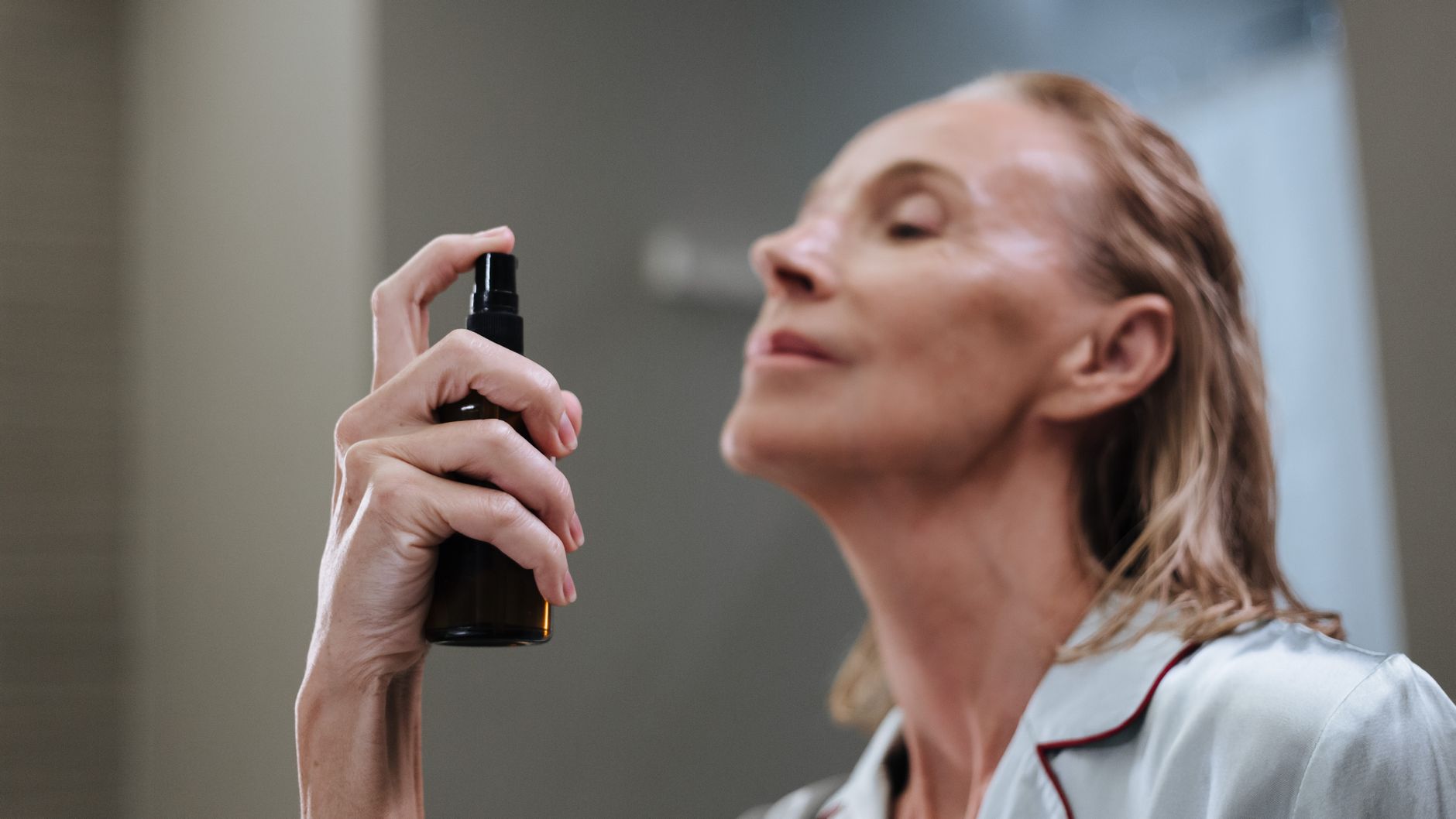
On skin, hypochlorous acid face mist is the most common form — misted on after cleansing, left to air dry for about a minute, then followed by regular moisturizer. It's popular for acne-prone, rosacea-prone, and reactive skin because it's pH-matched to skin's natural range instead of stripping it the way stronger actives can.
Does hypochlorous acid help acne? Research points to it helping create a cleaner surface environment on acne-prone skin, without the dryness and peeling that tend to come with benzoyl peroxide or high-strength retinoids. Think of it as a support step, not a replacement for an active acne treatment — it clears the room before the treatment ingredient shows up to do its job.
Hypochlorous acid face uses aren't limited to spot treatment either. Plenty of people use it as a daily refresh after workouts, after flights, or after a long day under a mask, since it doesn't sensitize skin with repeated use the way some actives can.
Related: Our full guide to hypochlorous acid spray for face — layering order and what not to mix it with
Wound care, piercing aftercare, and eye or stye uses
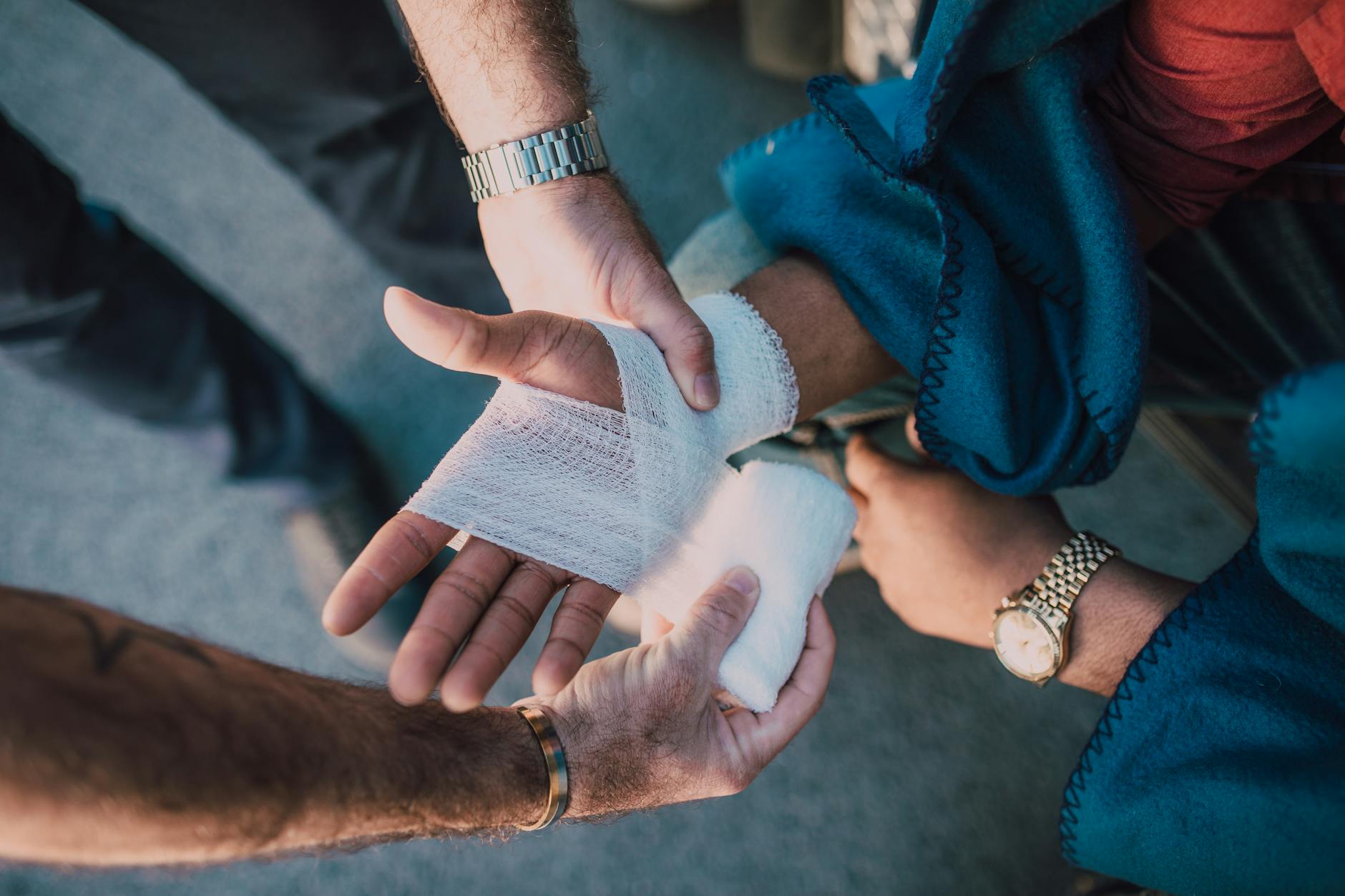
Hospitals have used hypochlorous acid on wounds since before penicillin existed. It performs as well as — sometimes better than — iodine and isopropyl alcohol on wound bacteria, without the tissue damage those older options can cause, which is why it's still a standard in modern wound care and post-surgical prep.
For piercing aftercare, HOCl is often recommended in place of saline soaks because it's equally gentle and does a better job addressing the surface bacteria that cause piercing bumps and slow healing.
Hypochlorous acid eye and eyelid uses are common in ophthalmology, too. The same low-concentration solution used on skin is the active ingredient in several doctor-recommended eyelid cleansers for blepharitis. If you've come across the phrase hypochlorous acid for stye and wondered whether that's a real use or a wellness trend — it's real. Eyelid-safe HOCl mists are a standard at-home step recommended alongside warm compresses for stye care, and the same solution is safe to mist near closed eyes generally.
Related: Our guide to using HOCl for wound care at home
Household and surface cleaning uses
Outside of skin and wounds, hypochlorous acid works as a general household spray — countertops, doorknobs, cutting boards, gym bags, the inside of the fridge. At typical consumer concentrations it's gentle enough to use around food-prep surfaces without a rinse step, which is the main reason people switch to it from bleach-based sprays.
It also shows up in odor control around the house — misted on shoes, hampers, or upholstery — because it addresses odor at the source rather than masking it with fragrance the way most sprays do.
One caveat worth knowing before you spray it everywhere: HOCl has limited effect on organic stains, hard-water deposits, and heavy grease. It's a freshening and wiping-down tool, not a degreaser or a stain remover — pair it with your regular soap for anything genuinely dirty.
Related: Our room-by-room guide to hypochlorous acid as a household cleaner
Uses around pets and plants

HOCl shows up in pet care for hot spots, paw cleaning after walks, and general coat freshening, because it's gentle enough for skin that can't tell you when something stings. It's one of the few skin-safe sprays that's genuinely fine to use around dogs and cats at typical concentrations.
On the plant side, gardeners use dilute HOCl as a foliar spray to manage surface mold and mildew on leaves, without the residue that copper-based fungicides can leave behind on edible plants.
Related: Is hypochlorous acid safe for dogs? and hypochlorous acid uses for plants
Body odor and mouthwash uses
Two of the odder-sounding uses on this list — mouthwash and deodorant — both come down to the same mechanism as everything above: HOCl addresses odor-causing compounds at the source instead of covering them up. As a mouth rinse it's used post-dental-procedure in some clinics. As a deodorant alternative it's popular with people who've reacted to aluminum compounds or added fragrance in standard antiperspirants.
Dry note, but an honest one: this means the same bottle misting your face in the morning can double as your gym-bag freshener by evening. "Multi-purpose" is doing some real work in that name.
What hypochlorous acid isn't for
HOCl isn't a substitute for a few specific things, and we'd rather say so than let a long list of uses overpromise.
It's not a treatment for eczema, TSW, or any diagnosed skin condition. It can support a cleaner-feeling skin surface, which genuinely helps during a flare, but it doesn't treat the underlying condition. See a dermatologist for that.
It's not shelf-stable indefinitely once mixed. HOCl breaks down with light and time. A bottle that's been sitting open for four months is basically salt water with a faint memory of once being useful.
Why shelf life determines how useful it actually is
This is the part most "uses" guides skip, and it's the reason pre-made HOCl sprays underperform their own marketing. HOCl degrades once mixed — light, heat, and air all speed it up. A pre-made bottle is usually rated 3–6 months once opened, and by month four it may already be doing less than the label suggests.
That's the whole reason Gentle Sen ships as tablets instead of a pre-filled spray: dissolve one tablet in 20 fl. oz. of water and you have a fresh, roughly 200 ppm solution mixed minutes ago rather than shipped across the country months ago. Use it within 7 days, then mix another when you need it — one tablet runs about 50 cents.
Frequently asked questions
What is hypochlorous acid used for?
Mainly skincare (facial mists for acne-prone, rosacea-prone, and sensitive skin), wound and post-procedure care, eyelid and stye care, household surface cleaning and odor control, pet skin care, plant care, and as a mouthwash or deodorant alternative. It's a broadly gentle, mild antiseptic rather than a single-purpose product.
Is hypochlorous acid just bleach?
No. They share a chemical family, but household bleach has a pH of 11–13, which is corrosive to skin. HOCl sits at roughly 5–6, matching skin's natural acid mantle range. It's also the same substance white blood cells produce naturally — bleach is not.
What should you not use hypochlorous acid with, on skin?
Avoid applying it directly on top of vitamin C or benzoyl peroxide — both can neutralize or compound with HOCl in ways that reduce the benefit of each. Retinol and exfoliating acids are fine with about a 60-second gap after HOCl dries. Moisturizer and sunscreen are safe to layer immediately after.
Is hypochlorous acid safe for pets and plants?
At typical consumer concentrations (100–200 ppm), yes — it's one of the gentler options for hot spots, paw cleaning, and coat freshening on dogs and cats, and for foliar sprays on plants. Always patch-test and avoid spraying directly into eyes, whether on a person, a pet, or a leaf.
How long does hypochlorous acid last once it's mixed?
Pre-made sprays typically last 3–6 months once opened, degrading gradually the whole time. A tablet-based solution, like Gentle Sen, is meant to be used within about 7 days of mixing, since it's made fresh rather than shipped pre-diluted. Unopened tablets store for around 2 years.
Is hypochlorous acid safe for daily use on the face?
Yes, at 100–200 ppm it's considered gentle enough for twice-daily use for most skin types, including sensitive and reactive skin. There's no known accumulation or sensitization risk with the molecule itself at that concentration.
What are the side effects of hypochlorous acid?
At standard concentrations, side effects are rare. A small number of people with very sensitive skin report mild dryness — if that's you, use once daily and follow with moisturizer. If you react to a product, check for added fragrance or preservatives in the formula first; they're usually the cause, not the HOCl itself.
So, what should you actually use it for?
Nearly anything that calls for a mild, gentle touch instead of a harsh chemical trade-off — skin, wounds, eyes, household surfaces, pets, plants, even the gym bag. The ingredient's versatility is real. It's the shelf life of pre-mixed bottles that quietly lets most of these use cases down.
If you'd rather stop buying a separate bottle for every use on this list, one Gentle Sen tablet and a mist bottle covers most of it, mixed fresh whenever you actually need it.
Shop Gentle Sen HOCl Tablets →Sources
- Wang L, et al. Antimicrobial efficacy, mode of action and in vivo use of hypochlorous acid (HOCl) for prevention or therapeutic support of infections. National Library of Medicine, 2023.
- WebMD. Hypochlorous Acid Spray: What to Know.
- Dermatology of Central States. The Gentle Germ-Fighter: What You Need to Know About Hypochlorous Acid in Skincare.
Images from Pexels photo library under the Pexels License. This post is for informational purposes only and does not constitute medical advice. Gentle Sen is a multi-purpose cleaner and deodorizer, not a registered disinfectant or a treatment for any medical condition. Consult a qualified healthcare provider for diagnosis and treatment.
0 comments