


Hypochlorous acid vs saline solution isn't a fair fight on paper — saline has been the default wound and sinus rinse for decades simply because it's cheap, sterile, and inert. But a growing stack of clinical research on hypochlorous acid (HOCl) shows it doing something saline can't: actively reducing bacterial load while it rinses, not just flushing debris away.
That doesn't make saline obsolete. It makes this a genuine "which tool for which job" question, and the research gives a more specific answer than most comparison articles let on.
The short version
Saline solution is sterile salt water — it flushes and moistens but does nothing to bacteria on contact. Hypochlorous acid addresses bacterial load while it rinses, rather than just flushing it away. In wound care studies, HOCl-irrigated wounds showed lower closure-failure rates and faster epithelialization than saline-irrigated wounds. In nasal irrigation research, HOCl performed comparably to saline for allergic rhinitis symptoms, with some added benefit against bacterial load. Saline remains the safer default when sterility and simplicity matter more than anything else — post-surgical irrigation protocols that specify saline by name, for instance.
In this guide
The Quick Comparison
| Factor | Saline Solution (0.9%) | Hypochlorous Acid |
|---|---|---|
| What it is | Sterile salt water, isotonic to body tissue | A mild acid produced naturally by white blood cells |
| Antimicrobial action | None — flushes, doesn't neutralize bacteria | Addresses bacterial load on contact |
| Stings on broken skin | No | Generally no, at typical concentrations |
| Wound closure research | Higher closure-failure rate in comparative studies | Lower closure-failure rate, faster epithelialization |
| Shelf life once opened | Long — salt water is chemically stable | Shorter — degrades with light and time |
| Cost and availability | Very cheap, sold everywhere | Slightly more, though tablet-based options close the gap |
| Best for | Simple flushing, sterile default, sensitive protocols | Wounds and areas that benefit from bacterial load reduction |
What Actually Makes Them Different
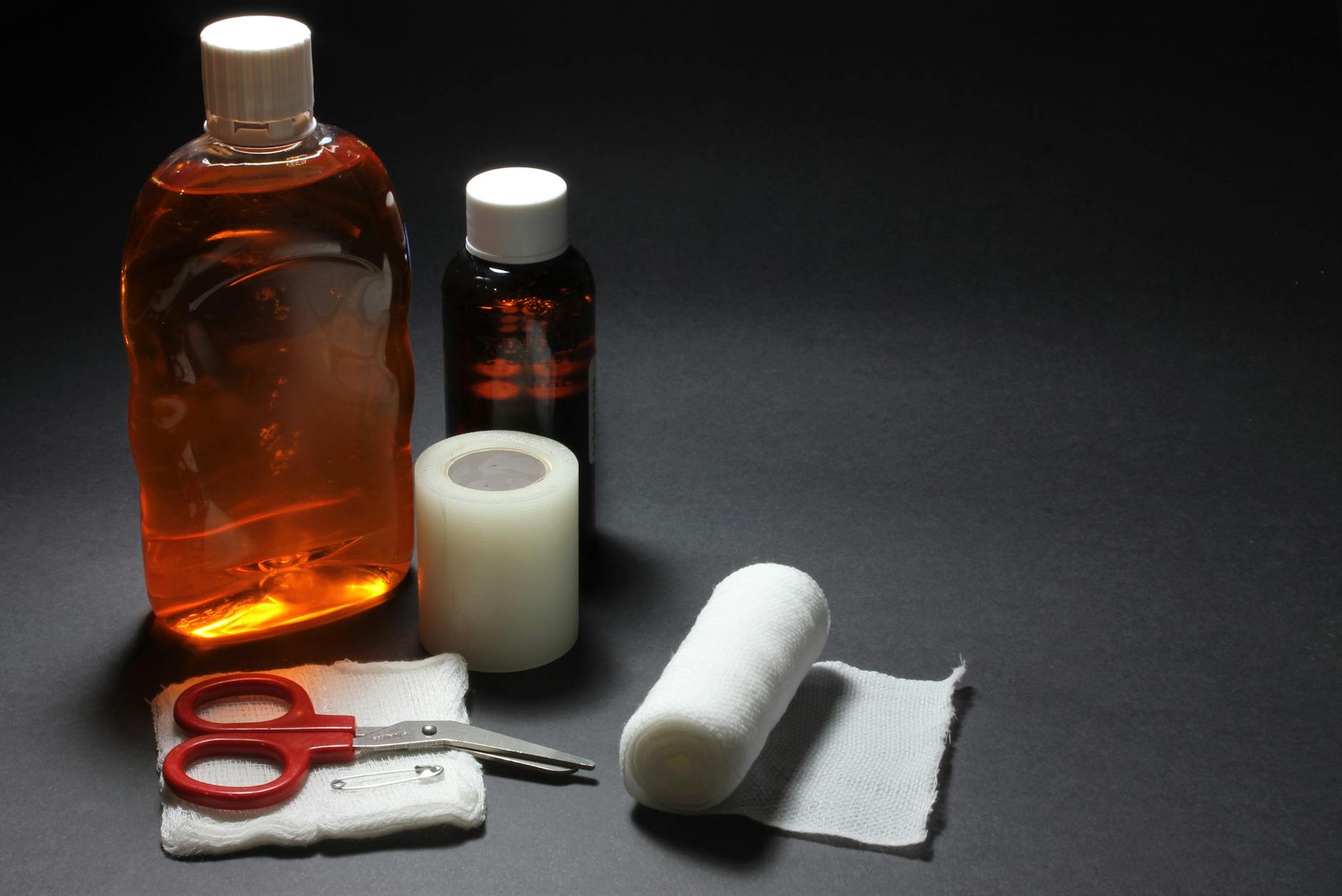
Saline solution is water with roughly the same salt concentration as body fluid, which is why it doesn't sting or damage tissue on contact. It's inert. It doesn't do anything to bacteria — its whole job is mechanical: flush debris out, keep tissue moist, and not cause any reaction while doing it.
Hypochlorous acid is the molecule your own white blood cells produce as part of your immune response. When it touches a wound or a mucous membrane, it's doing more than just flushing — it's actively addressing some of the bacterial load sitting there, while remaining gentle enough not to damage healthy tissue the way harsher antiseptics do.
That single difference — inert flush versus active-but-gentle rinse — is what the research below actually measures.
Wound Care: What the Research Shows
This is where the comparison has the most data behind it. In a study on chronic open wounds, hypochlorous acid irrigation combined with debridement reduced bacterial counts more effectively than saline alone. One comparative study found that more than 80% of patients in the saline group experienced postoperative closure failure, compared to 25% in the hypochlorous acid group — a meaningful gap, not a marginal one.
Separate research on negative-pressure wound therapy instillation found that infected wounds treated with an HOCl-based cleanser trended toward fewer operating room visits and a shorter hospital stay than those treated with saline. And in one trial, HOCl-irrigated wounds showed higher epithelialization rates than saline-irrigated wounds starting from around day 15 of treatment.
None of this means saline is a bad choice — it's still the sterile, inert baseline that most wound protocols are built around. It means that for wounds where bacterial load is a real concern, the research increasingly points toward hypochlorous acid as the better-performing option.
Related: Our guide to using HOCl for wound care at home
Nasal Irrigation and Sinus Rinses

Saline rinses are the standard recommendation for sinus congestion and allergic rhinitis — a neti pot or squeeze bottle of saline is what most doctors suggest first. A multicenter, randomized, placebo-controlled study comparing hypochlorous acid nasal irrigation against saline in allergic rhinitis found HOCl performed comparably for symptom relief, with the added benefit of its action against bacterial load.
In practice, this means switching from saline to an HOCl-based rinse for ongoing sinus care isn't likely to make things worse, and may offer a small edge for people dealing with recurring sinus infections rather than simple congestion. It's not a dramatic upgrade for everyday allergy rinsing, where plain saline does the job perfectly well.
Where Saline Solution Still Wins

We make an HOCl product, so it would be easy to make this sound like a clean win. It isn't, and saline earns its place for real reasons.
When a protocol specifies saline by name. Some surgical and clinical protocols call for sterile normal saline specifically. That's not a place to substitute, regardless of what the research on HOCl shows generally.
Simplicity and shelf stability. Saline doesn't degrade the way HOCl does once opened. For a first-aid kit that might sit unused for a year, saline is the more forgiving choice.
Cost at scale. Saline is about as cheap as liquid gets. For high-volume, low-complexity flushing — rinsing a minor scrape, moistening a bandage — the extra properties of HOCl aren't doing much extra work.
Frequently Asked Questions
Is hypochlorous acid better than saline for wound care?
For wounds where bacterial load matters — chronic wounds, infected wounds, post-surgical wounds — clinical research shows hypochlorous acid outperforming saline on closure rates and epithelialization speed. For simple, clean cuts, both work fine.
Can I use hypochlorous acid instead of saline for nasal irrigation?
Research comparing the two for allergic rhinitis found comparable symptom relief, with HOCl offering some added benefit against bacterial load. It's a reasonable substitute for ongoing sinus care, though plain saline remains perfectly adequate for everyday congestion.
Does hypochlorous acid sting more than saline?
Generally no. At typical concentrations, hypochlorous acid doesn't sting on broken skin or mucous membranes any more than saline does — this is part of why both are considered gentle options compared to alcohol or iodine-based antiseptics.
Why would hypochlorous acid work better than saline on wounds?
Saline is inert — it flushes debris but doesn't affect bacteria. Hypochlorous acid addresses some bacterial load on contact while remaining gentle on healthy tissue. That extra action is what shows up in comparative wound-closure research.
Is saline solution still recommended by doctors?
Yes. Saline remains the standard, sterile, inert baseline for most wound and nasal irrigation protocols, and some clinical protocols specifically call for it by name. It's not being replaced — hypochlorous acid is increasingly used alongside or instead of it in specific situations where bacterial load is a bigger concern.
What's the chemical difference between hypochlorous acid and saline?
Saline is sodium chloride dissolved in water at roughly the same concentration as body fluid — chemically inert. Hypochlorous acid is a weak acid formed from chlorine and water, structurally different from salt water, and it's the same molecule your immune system produces to fight infection.
Is hypochlorous acid safe for eye irrigation like saline?
Low-concentration hypochlorous acid is used in several doctor-recommended eyelid cleansers, so it has an established safety profile near the eye area. For direct eye irrigation, follow product labeling and a healthcare provider's guidance rather than assuming interchangeability with saline.
Not a replacement — a specific upgrade
Saline solution isn't going anywhere, and it shouldn't. It's cheap, stable, and exactly what plenty of situations call for. Where the research gets interesting is in wounds and rinses that benefit from more than a flush — that's where hypochlorous acid's action against bacterial load starts to show up in the numbers.
If you're curious to try HOCl without committing to a pre-made bottle, a Gentle Sen tablet dissolved in water makes a fresh batch for less than 50 cents.
Shop Gentle Sen HOCl TabletsSources
- National Library of Medicine. The Immediate and Delayed Post-Debridement Effects on Tissue Bacterial Wound Counts of Hypochlorous Acid Versus Saline Irrigation in Chronic Wounds.
- National Library of Medicine. A Retrospective Health Economic Analysis of a Stable Hypochlorous Acid Preserved Wound Cleanser Versus 0.9% Saline Solution.
- SAGE Journals. Hypochlorous Acid Versus Saline Nasal Irrigation in Allergic Rhinitis.
Images from Pexels photo library under the Pexels License. This post is for informational purposes only and does not constitute medical advice. Gentle Sen is a multi-purpose cleaner and deodorizer, not a registered disinfectant or a substitute for clinical wound care. Consult a qualified healthcare provider for diagnosis and treatment.
0 comments